
Ever thought your comeback might be the game-changer in your sports career? Many athletes shake off injuries and jump back into action with a fresh spark.
Building a strong plan for both body and mind is your secret sauce. Every practice, every check-up, and every focused moment is like another step toward victory.
In this post, you'll discover five easy tips to set up your winning athlete comeback and turn setbacks into stepping stones.
Building Your Athlete Comeback Roadmap
Starting your comeback right means getting the proper help from the start. First, get a doctor's approval and a good check-up from experts to be sure your body is ready. This careful step makes sure you can safely jump back into training without risking more injury.
It’s not just about your body, your mind plays a big part too. Think about your "why" to keep your motivation strong, and remember: it's best to walk before you run. Step by step builds strength and helps you keep your form just right.
Here are some key pointers to kick things off:
- Get a doctor’s green light and a full professional check-up before you begin.
- Pin down your "why" to keep yourself motivated.
- Start slow by mastering the basics first.
- Try cross-training like yoga to build extra muscle support and improve flexibility.
- Make sure you rest enough and eat well to help your muscles recover.
- Wear good, well-fitted safety gear like helmets, pads, and mouthguards.
- Warm up properly to prepare both your body and mind.
- Drink plenty of water (remember, we’re mostly water!).
- Take regular breaks to avoid overdoing it, and listen to your coach’s advice.
- Keep your goals realistic so you don’t get discouraged if progress seems slow.
Mixing all these steps together gives you a solid plan for a comeback win. Each training session builds strength and boosts your confidence, setting the stage for a strong, steady return to competition.
Optimizing Physical Conditioning for Athlete Comeback


Getting back into shape after an injury means sticking with a clear, step-by-step plan. A good physical therapist will tailor a program just for you, mixing rehab techniques with smart fitness moves. Start with simple bodyweight and isometric exercises, think planks and controlled rotations, that build core strength safely. As you feel stronger, gradually introduce more weight to keep your progress steady.
Progressive Strength Training
Begin with the basics to build a solid foundation. Simple compound moves like basic push-ups and squats come first, letting your body gradually adapt without extra stress. Keep your workouts to a few sessions each week and always tune in to what your body tells you. If something feels off, ease back a bit. Over time, add more resistance when you're sure you're ready, it’s all about moving at your own pace.
Flexibility and Mobility Routines
To keep your joints and muscles happy, add dynamic stretching and yoga-inspired moves to your routine. Kick things off with a flowing warm-up that wakes up your muscles and joints, then mix in daily stretches to beat stiffness. Balancing strength days with these mobility sessions builds a routine that steadily rebuilds muscle, enhances core stability, and makes your recovery both safe and effective.
Fueling Recovery: Nutrition & Rest for Athlete Comeback
Your journey back starts right in the kitchen. Load up on lean proteins like chicken, fish, or even beans (legumes, that is, which help fix up your tissues) and spread your carbs throughout the day to keep your energy buzzing. Imagine grabbing a small chicken wrap right after your workout, a quick snack that pushes your muscles to recover and keeps you rolling.
Staying on top of your hydration game is just as key. Keep track of your daily water and aim for at least half your body weight in ounces, tossing in some electrolytes if needed to keep your muscles firing. Sure, sports drinks might offer a sweet treat, but water is your go-to for that steady, long-lasting boost so every cell in your body gets the hydration it craves.
And when it comes to rest, that’s your secret superpower. Try to snag 7–9 hours of solid sleep every night to balance out your hormones and power up your healing. With the right foods, plenty of water, and enough sleep, you're all set for a strong return to your peak performance.
Strengthening Mindset for Athlete Comeback
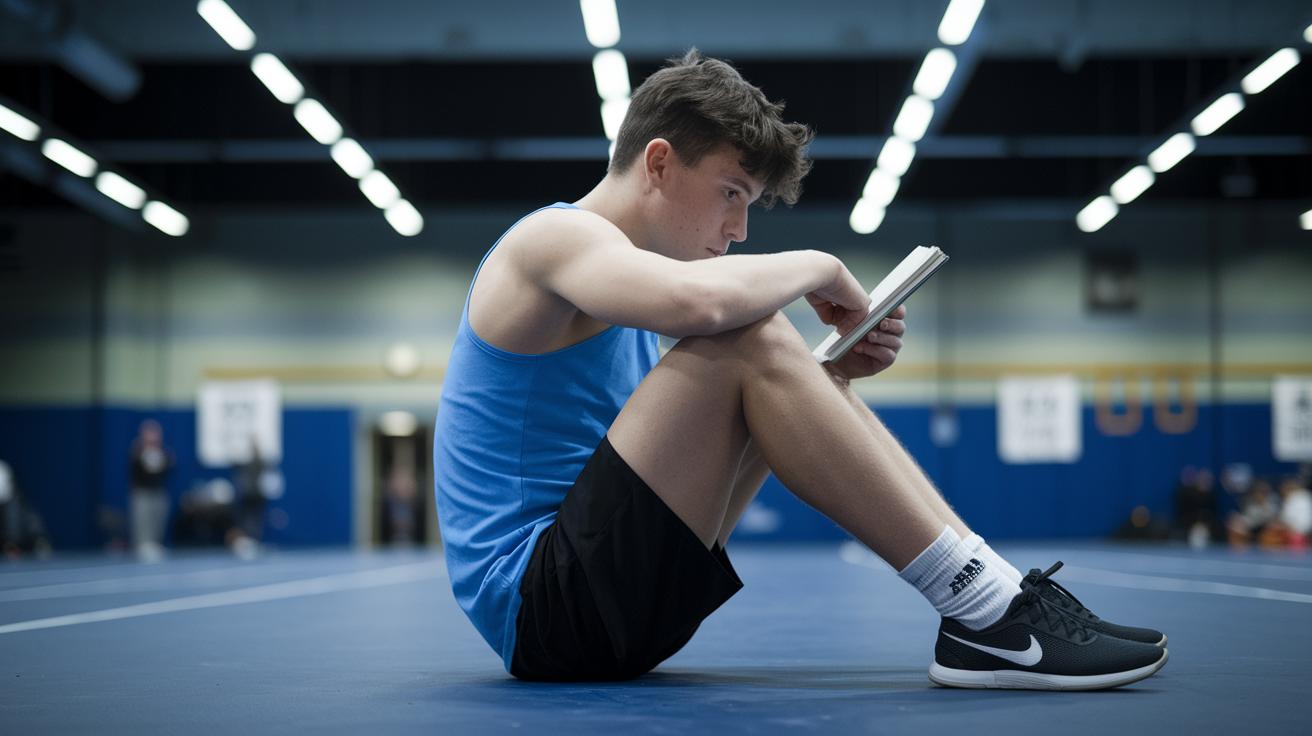
Getting your head in the game is just as key as training your body when you're planning a big comeback. Imagine picturing your best performance in your mind, like watching your perfect form play out in a movie, and you feel more confident with every replay. Try out simple visualization drills and mix in mindfulness and breathing exercises (techniques that calm your nerves) to keep those jitters away, all while setting clear, doable goals to keep you on track.
Motivation Anchors
Anchor your drive with goals that truly matter to you. For example, plan a little reward, maybe treat yourself to something fun, after a week of hitting your workout targets. Think about how Simone Biles used to picture every move in her routines to beat injury setbacks; it shows that even the best rely on a strong mental game. Celebrating small wins builds your inner strength and makes each step feel like a real victory.
Expectation Management
Noticing every little improvement can be a game-changer. It’s like adding one more push-up to your session, each bit counts. When things don’t go as planned, see them as chances to learn instead of failures. Every time you check in on your progress, you grow a bit tougher, making the road to recovery feel a lot less daunting. These habits together set you up for long-term success, turning mental work into steady, comeback power.
Expert Coaching & Support in Athlete Comeback
Every great comeback starts with a plan that mixes solid physical training with mental grit. A seasoned coach can kick things off by using hands-on testing to uncover your hidden strengths, just like that amazing athlete who discovered his secret power before his record-breaking season.
Next, think about adding a team of experts who help boost both your mind and body. You get the magic of a sports psychologist to build up your mental toughness and a physical therapist to keep your movements sharp. It’s like putting the final touches on a masterpiece where every specialist adds a key detail.
Staying in touch with your coach is a must. Regular check-ins help tweak your training plan on the fly, almost like fine-tuning your performance in real time. Imagine getting on-the-spot advice that instantly elevates your session, making every moment count.
| Role | Main Benefit |
|---|---|
| Physical Therapist | Guided rehab progress |
| Strength Coach | Progressive load planning |
| Sports Psychologist | Mental resilience training |
Tracking Progress in Your Athlete Comeback
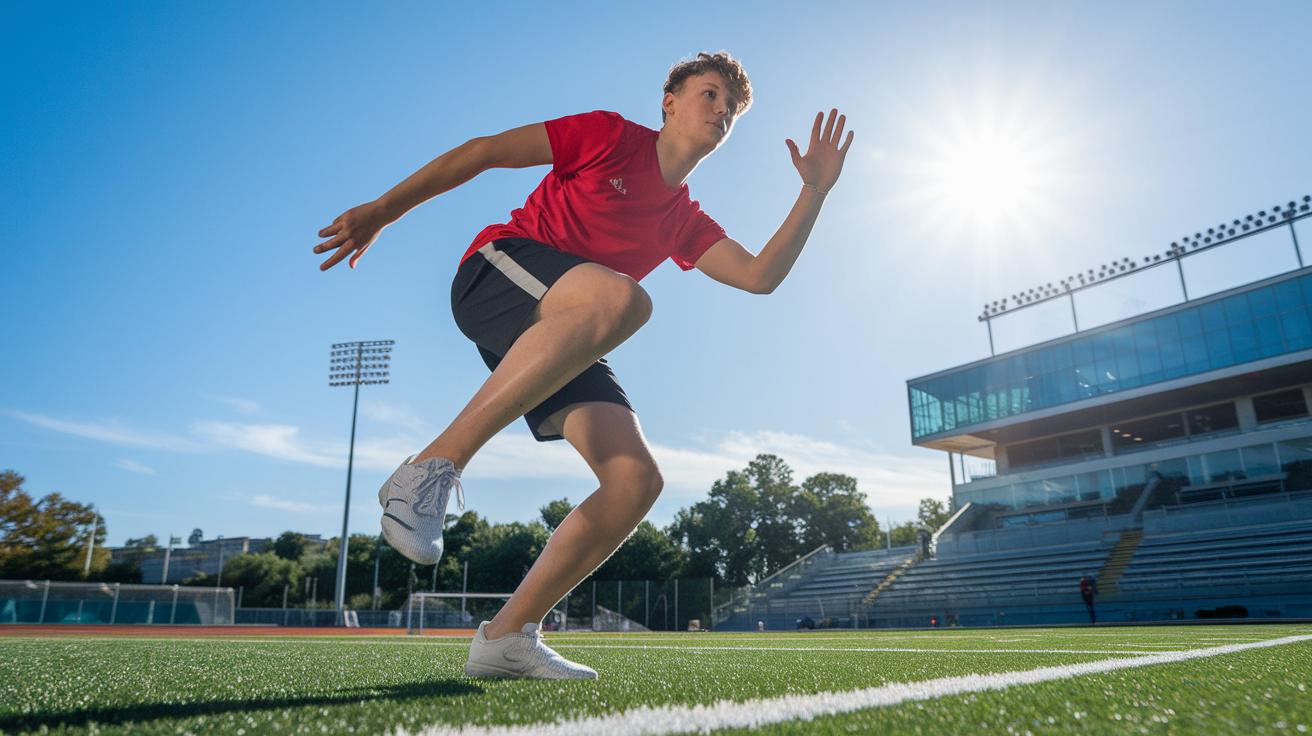
Measuring your recovery with real numbers can set you up for a win. It’s all about letting the stats, like how far you can move or how much strength you’re gaining, speak for themselves. When you check in, focus on the key details from each workout. This smart approach not only shows your progress but also highlights spots that might need extra attention. A regular review like this creates a solid base for rebuilding your performance.
- Compare your current range of motion with your starting point.
- Use repetition max tests to track strength gains.
- Do timed endurance trials to check your cardio improvements.
- Record how you feel and any pain you experience each day.
- Change your routine based on steady data trends instead of just gut feelings.
Stick to these steps, and you’ll have a clear map to success. Every workout becomes a chance to see progress, adjust your game plan, and enjoy those genuine wins as you rebuild for a strong comeback.
Building Your Athlete Comeback Roadmap: Injury Prevention Strategies
Start by weaving injury prevention into your comeback plan. Begin each training session with a lively, dynamic warm-up that gets your blood pumping and your muscles ready to rock. Did you know that moving dynamically before exercising, instead of simply holding a stretch, can really fire up your muscles for action? It’s a simple trick that keeps you on track and ready for anything.
Mix in full-body warm-ups that copy the moves you make in your sport. Pair these with regular check-ins with your coach to make sure your form stays on point. Don’t forget your protective gear like helmets, knee pads, or wrist guards to keep your joints safe. This combo of warm-ups and safety gear is a solid base for your comeback.
Plan for regular rest days and add in active recovery sessions with cross-training and low-impact movements. This helps you spread out the strain on your body and keeps progress smooth, without making your routine feel stale.
Athlete Comeback Case Studies: Elite Examples
Sometimes real-life stories spark that comeback spark we all need. Think about these standout moments that prove hard work and grit can turn the tide. They show that with the right mindset and a top-notch support crew, amazing comebacks are totally within reach. For more cool stories like these, check out profiles of sports legends who shine on and off the field.
Tiger Woods
Tiger Woods battled through multiple back surgeries until he clinched the 2019 Masters. His journey is all about a never-give-up spirit mixed with expert help that paved his way to success. His approach reminds us that steady, determined progress in training can really make a difference.
Serena Williams
Serena Williams made a huge comeback after dealing with foot and knee troubles during her 2007 post-injury Grand Slam run. Her renewed focus and smart tweaks on the court show us that by adapting your play and trusting your team, you can reignite that competitive spark.
Rafael Nadal
Rafael Nadal overcame serious knee injuries in 2014 to win back his title at the French Open. His journey teaches us that focused rehabilitation and sticking to a disciplined training routine can help you bounce back from even the toughest setbacks.
Each of these athletes proves that setting clear goals, relying on expert advice, and pushing through challenges can lead to a triumphant return. Their stories are a friendly reminder that with determination, your own comeback win is totally possible.
Final Words
In the action, you've seen a practical roadmap covering every angle from medical checks and clear motivation to building strength, flexibility, and smart recovery habits. The article breaks down key steps like careful warm-ups, proper nutrition, and using protective gear to keep you safe. Tips for a successful athlete comeback shine through via real-life examples that show just how much grit and strategy it takes. Stay upbeat and keep pushing forward, your next big win is just around the corner.
FAQ
How to make an athletic comeback?
Making an athletic comeback starts with securing medical clearance and setting clear goals. Add basic movement drills, supportive cross-training, proper nutrition, and expert guidance to build back strength steadily.
What are the steps to return an athlete to play?
Returning an athlete to play means obtaining professional assessments, easing into foundational exercises, integrating cross-training and rest, and following a structured program under a coach’s watchful guidance.
How to become a top 1% athlete?
Becoming a top 1% athlete comes from combining a strong competitive mindset with disciplined training, tailored recovery, smart nutrition, and consistent coaching to fine-tune every aspect of performance.
How do pro athletes recover so fast?
Pro athletes recover fast by using expert support, precision training routines, guided recovery practices, and carefully planned nutrition and hydration strategies that maintain peak physical condition.