













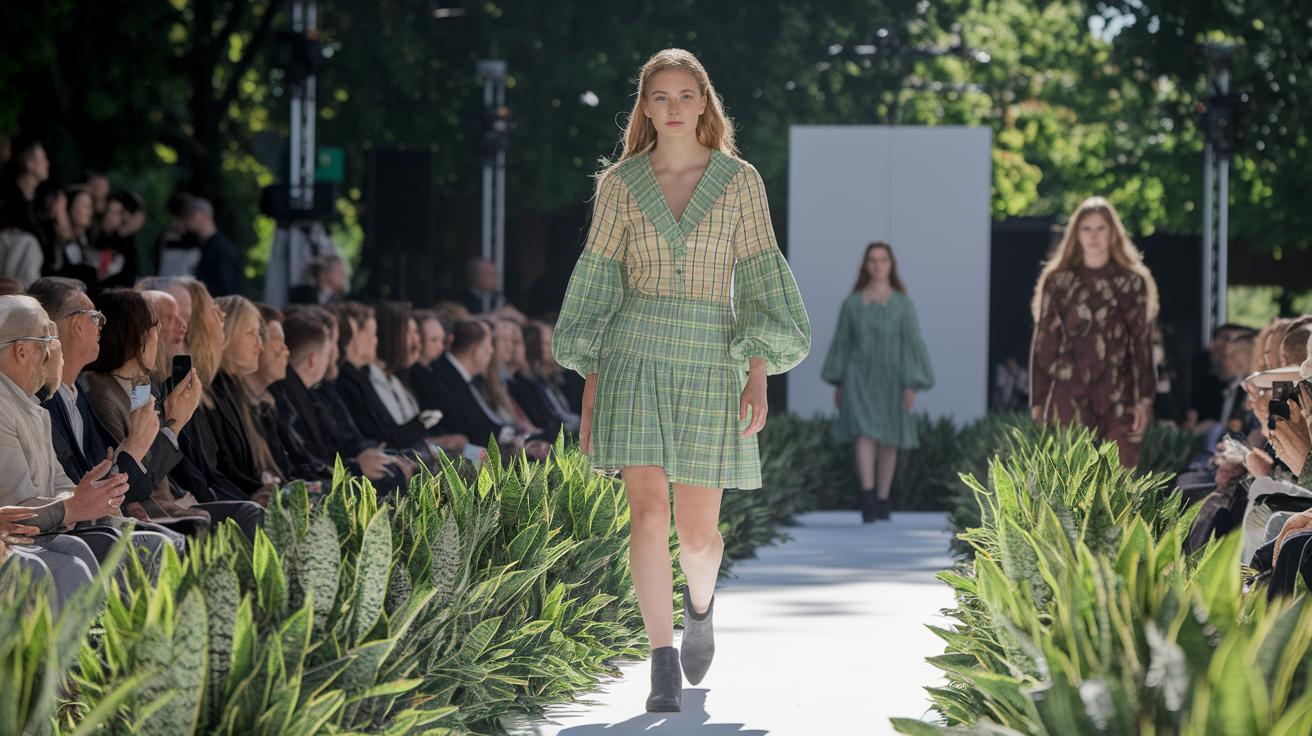
Ever thought your outfit could help heal the planet? Sustainable fashion week is shaking things up by turning leftover scraps into cool, eye-catching pieces. Designers are mixing the idea of slow fashion, which focuses on caring for the earth, with clever tricks like upcycling old stock (reusing extra materials to create something new).
This buzz on the runway proves that looking stylish and keeping our world clean can go hand in hand. In this post, we’re breaking down the top trends that are giving eco-style a fresh twist. Stick with us to see how your wardrobe might just be a hidden hero in saving the planet.
Top Sustainable Fashion Week Trends for 2024-2025
Sustainable fashion is all about cutting down the harm we do to our world by reusing resources and keeping things in a neat circle. At fashion week, this idea is stealing the show as designers mix in slow fashion techniques to fight waste. Imagine a designer turning leftover factory scraps into chic, one-of-a-kind pieces. Fun fact: before this big shift, extra fabrics were just tossed out. Now, eco style events and ethical runway shows are all about clever tricks like upcycling old stock and reusing reclaimed materials.
The buzz around secondhand fashion is off the charts. Some studies even say the market could hit $350 billion by 2028 – that's three times faster growth than regular clothing! Nearly 94% of retail execs say their customers are already shopping for pre-loved finds, and about 70% want stores to offer a dedicated secondhand section. These trends are pushing brands to change how they make clothes, leaning into methods that keep our world cleaner. Ethical runway events are blending art with green ideas, showcasing collections built on recycled fibers and organic fabrics.
Early moves for tougher policies and hints of new tariffs are setting the stage for 2025. Designers and industry leaders are promising to be more open and honest about how their clothes are made. This shift shows a real, shared desire to cut waste, support fair production, and dream big with zero-waste designs. These smart moves aren’t just changing the market, they’re lighting the way to a greener, brighter future in fashion.
Ethical Runway Showcases Driving Sustainable Fashion Week Trends
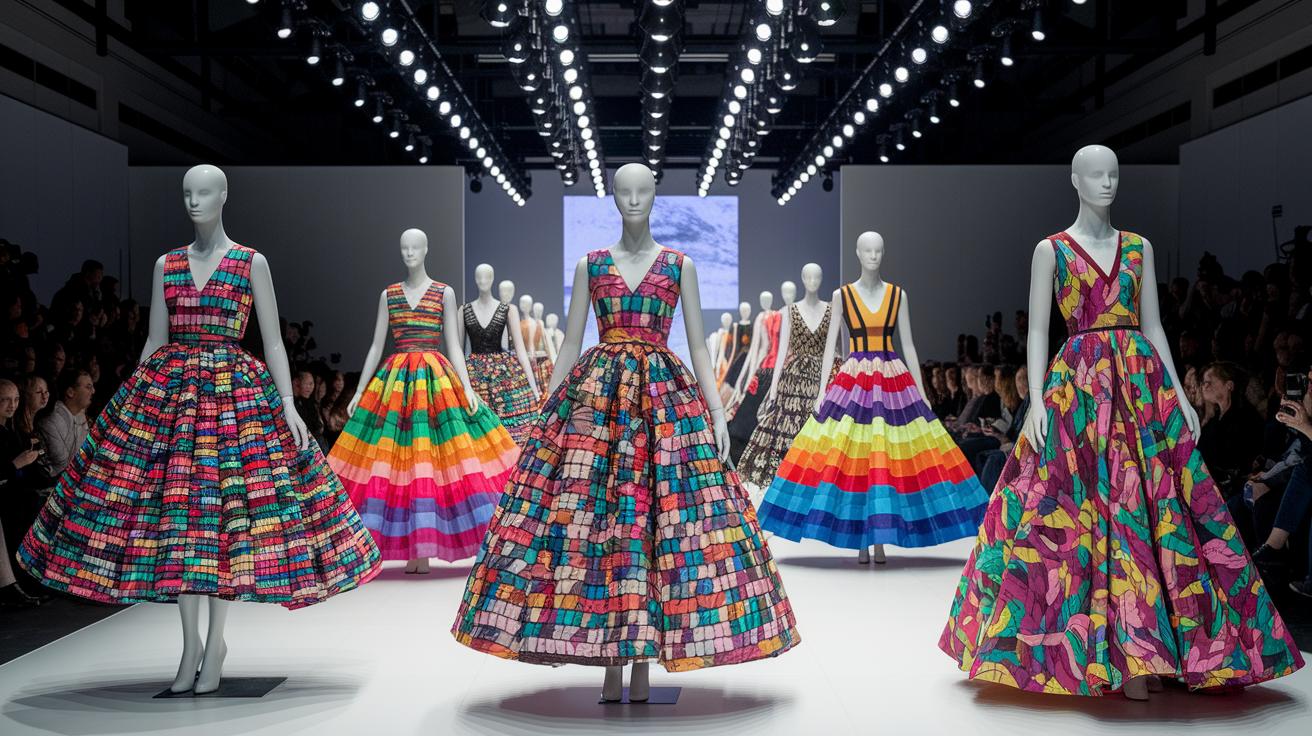
At New York Fashion Week, all the buzz is usually about the hottest trends, while sustainable design often plays a quieter role. But a few daring designers are switching things up, bringing ethical runway shows into the limelight and pushing for real changes in how fashion is made.
Collina Strada is leading the way by turning discarded fabrics and waste from the OR Foundation into show-stopping pieces. Fun fact: A collection built entirely from surplus materials can completely dazzle the runway without creating any new waste. It’s a clever twist that transforms what many see as scrap into must-see fashion.
Designer Mara Hoffman spills the beans on her approach by working with top suppliers (that is, her key production partners) and promising safe work hours and fair treatment. In the same spirit, Melke champions worker safety, natural dyes, non-toxic materials, and fair wages. These firsthand practices make a big statement in a world where luxury brands like Burberry and Cartier usually end up dumping unsold stock instead of reusing materials.
Chloe is also upping her game with better Fashion Transparency Scores, proving that ethical accessories made from reclaimed materials can really turn heads. Special craft meet-ups and upcycled garment exhibits are now clear signs that ethical choices can shine just as bright as high glam. Every show today sets a new standard at Sustainable Fashion Week, where every piece whispers a story of change and accountability.
Cutting-Edge Materials Fueling Sustainable Fashion Week Trends
Designers at eco-fashion events are turning the spotlight on fabrics that are cool and kind to our planet. Organic cotton grown without synthetic pesticides offers a natural softness and vibrant color, while water-smart hemp and super-soft bamboo are rewriting what it means to dress green. Imagine a runway look crafted entirely from bamboo, it’s light, smooth, and impressively sustainable.
Innovations in biofabric and upcycled materials are becoming fan favorites. Designers are transforming leftover textiles into fresh, eye-catching pieces that show style without a heavy environmental price tag. These inventive creations prove that you can be chic and eco-friendly at the same time.
New cruelty-free textile advances are also catching attention with botanical dye techniques (plant-based color methods) and non-toxic processes that deliver vivid, safe hues. Experts believe that with the right support and smart policies, these breakthroughs can flourish even more, promising a cleaner, greener future for fashion.
Circular and Zero Waste Designs Elevating Sustainable Fashion Week Trends
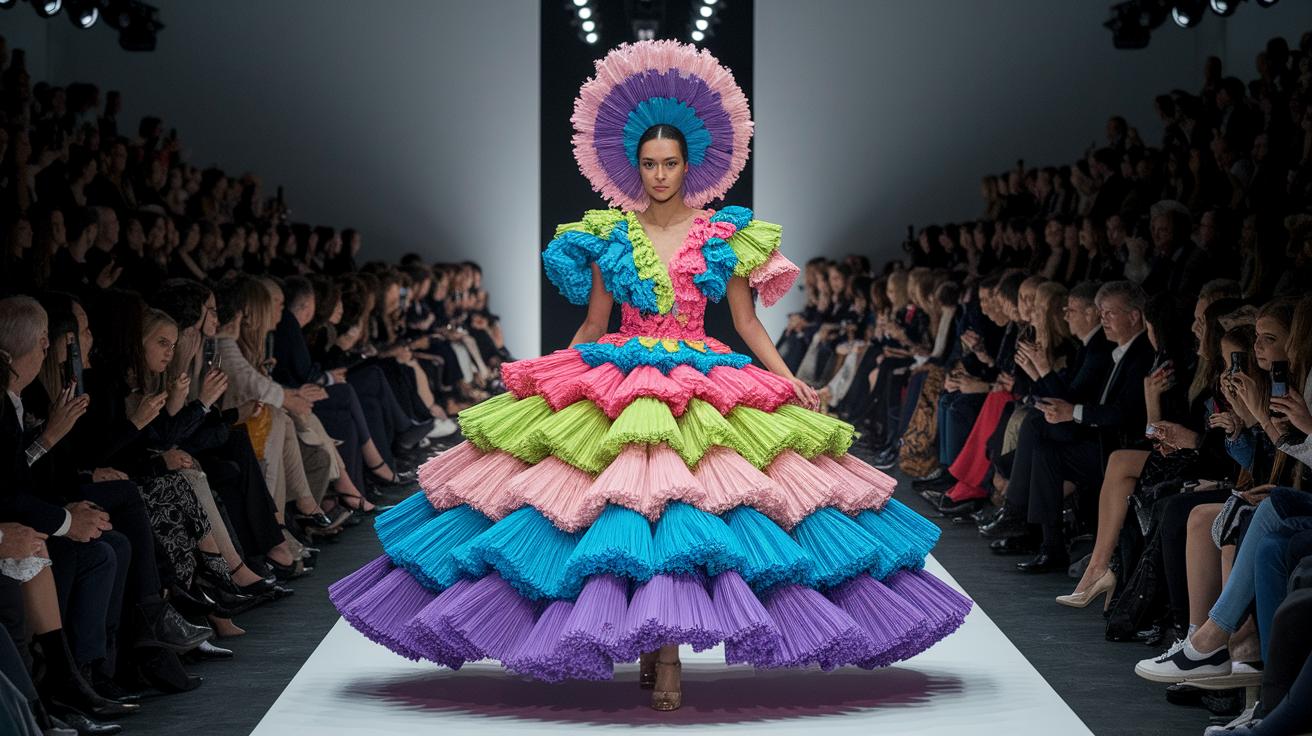
Designers are shaking things up by rethinking how they make clothes. They're embracing clever circular methods that cut waste and boost the energy at sustainable fashion weeks. Picture a runway look crafted entirely from recycled fibers that once filled landfills, now transformed into a stunning work of art.
Big names like Patagonia and Dr. Martens are leading the charge by promoting repair, refurbishment, and resale ideas. Their mix of zero waste designs with smart, circular production techniques proves that eco-friendliness isn’t just a buzzword; it’s a smart way to give clothes a longer life than the usual fast-fashion cycle.
Recycled fiber projects are stealing the spotlight in these eco events. Designers are turning old textiles into fresh, vibrant threads with salvaged yarn that bursts with nature’s own colors. It’s like witnessing a natural palette come to life on the runway, where style meets green innovation.
More brands are rallying behind zero waste designs to cut down on overproduction and reduce the reliance on new materials. This shift shows that ethical practices and creative eco-thinking can redefine the future of fashion, one recycled thread at a time.
Transparency & Carbon-Neutral Production in Sustainable Fashion Week Trends
At the most happening sustainable fashion weeks, brands are giving us an insider peek at their clear supply chains and carbon-smart production moves that are totally reshaping the industry. Designers are laying it all out, revealing each step of their process to tackle the fact that nearly 96 percent of emissions come from buying materials. Consider this: back in the day, almost all of a label’s emissions were tied to outsourced production. Now, thanks to a shift toward greener methods, that number is dropping fast. This kind of openness builds real trust and sets fresh benchmarks for ethical style.
Runways are now buzzing with fair trade collaborations as brands tighten up their sourcing rules. Over half of the big names have set science-driven targets, yet many still wrestle with making genuine in-house changes. By putting responsible supply chain ideas into action, they’re not only shrinking their environmental footprint but also showing us that their garments are made with honesty and verifiable care.
New alerts about tariff changes are pushing brands to reexamine every stage of production. When companies stick to low impact manufacturing tips, they cut waste and highlight safe labor practices. Picture a process so precise that every stitch feels like a nod to climate-positive action, every garment turns into a true symbol of ethical change. Brands that put fair trade and clear sourcing first are lighting the way to a greener, more transparent future in fashion.
Consumer Engagement & Market Impact of Sustainable Fashion Week Trends
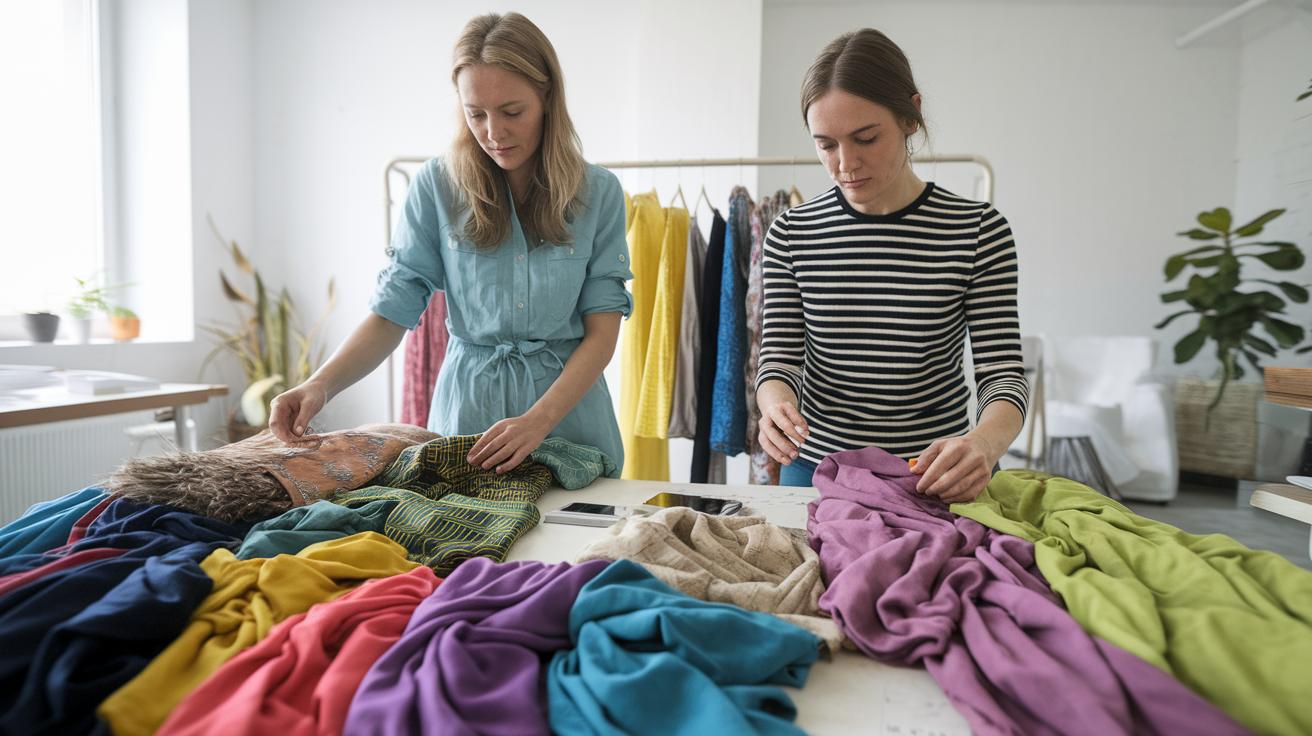
Sustainable fashion events are shaking things up, drawing fresh attention from consumers while overhauling how brands handle their stock and supply lines. Imagine a designer turning last season's leftovers into a chic limited capsule collection, a real wearable story where each item softly tells its own eco-journey.
Instead of leaning on old stats, insiders are chatting about the soaring changes in what consumers want. Forums buzzing with talk about regenerative design and renewable resource experiments (trials showing off eco-smart production techniques) have everyone talking. Shoppers feel that each piece isn’t just another trend, but a purchase loaded with meaning and a true backstory.
Meanwhile, labels are getting creative with simpler production guides that cut waste and blend in unique artisan fabrics. This fresh take on sustainable supply chains is drawing in buyers by offering pieces that feel real and full of character, inviting everyone to join a movement that surpasses the old-school retail ways.
Final Words
in the action, this piece has taken you through ethical runway showcases, cutting-edge materials, and inventive zero waste designs that are reshaping our view of sustainable fashion week trends. We explored how transparency and smart circular practices lead the way while sharing key stats and backstage insights. Every section brought a fresh look at how creativity and responsibility meet on the runway. The buzz continues to grow, and the future looks bright for eco-friendly flair in the spotlight. Keep enjoying the ride as style and sustainability mix in thrilling new ways.
FAQ
What are the sustainable fashion trends?
The sustainable fashion trends include using eco-friendly materials, circular designs, and ethical production practices that cut waste and lower environmental harm, making them a must-follow for conscious style lovers.
What is the sustainable fashion trend in 2025?
The sustainable fashion trend in 2025 focuses on zero waste designs and recycled fabrics with fair-trade practices, driving brands to adopt cleaner, more responsible production methods.
What are the 7 R’s of sustainable fashion?
The 7 R’s of sustainable fashion involve steps like Refuse, Reduce, Reuse, Repair, Recycle, Repurpose, and Rot, all guiding efforts to shrink waste and boost eco-aware practices.
What are the 4 R’s of sustainable fashion?
The 4 R’s of sustainable fashion are Refuse, Reduce, Reuse, and Recycle, which help steer us toward cutting waste and embracing smarter, greener production methods.
Why is sustainable fashion important?
Sustainable fashion is crucial because it lowers environmental impact and improves labor conditions by promoting ethical sourcing and responsible manufacturing practices that benefit both people and the planet.
What are the sustainable fashion industry statistics?
The sustainable fashion industry shows strong growth, with resale markets projected to hit $350 billion by 2028, and a large majority of consumers and retail execs pushing for more eco-conscious styles.
What are some sustainable fashion examples?
Sustainable fashion examples include recycled garments, upcycled accessories, organic apparel breakthroughs, and eco-friendly runway shows that champion zero waste and ethical design.
What sustainable fashion brands are leading the way?
Sustainable fashion brands like Patagonia, Collina Strada, and others showcase ethical design by embracing recycled materials, transparent supply chains, and innovative eco-friendly techniques.
Where can I find sustainable fashion news and articles?
Sustainable fashion news and articles are available from industry outlets and eco style events, offering insights on ethical runway showcases, material breakthroughs, and the latest in green fashion trends.