
Ever wondered if one tweet can spark an athlete's comeback? Social media lets stars connect directly with fans, so every like or comment feels like a burst of support.
Imagine each post as a cheer from the sidelines that makes recovery more than just hard work on the field. Athletes share raw moments and private victories, fueling their inner strength.
Their journey becomes a team effort, blending personal grit with the energy of an online crowd. That mix creates a win that resonates far beyond the game.
Social Media’s Role in Shaping Athlete Comeback Narratives
Social media sites like Twitter, Instagram, and Facebook have totally changed how comeback stories get told. Athletes can now share their progress, training clips, and personal thoughts right with their fans. It’s like getting a backstage pass to their recovery journey in real time.
Fans are a huge part of this conversation too. Every like, comment, or share is like a cheer from the crowd, pushing the story forward. A simple Instagram snap of a tough training day can lift spirits and reshape how everyone sees the comeback.
Every post, tweet, or story becomes a brick in building the athlete’s comeback tale. Special hashtags and viral challenges add even more buzz, showing that a comeback isn’t just about athletic skill, it’s about the shared energy of a supportive community.
Key Social Platforms Driving Athlete Comeback Engagement
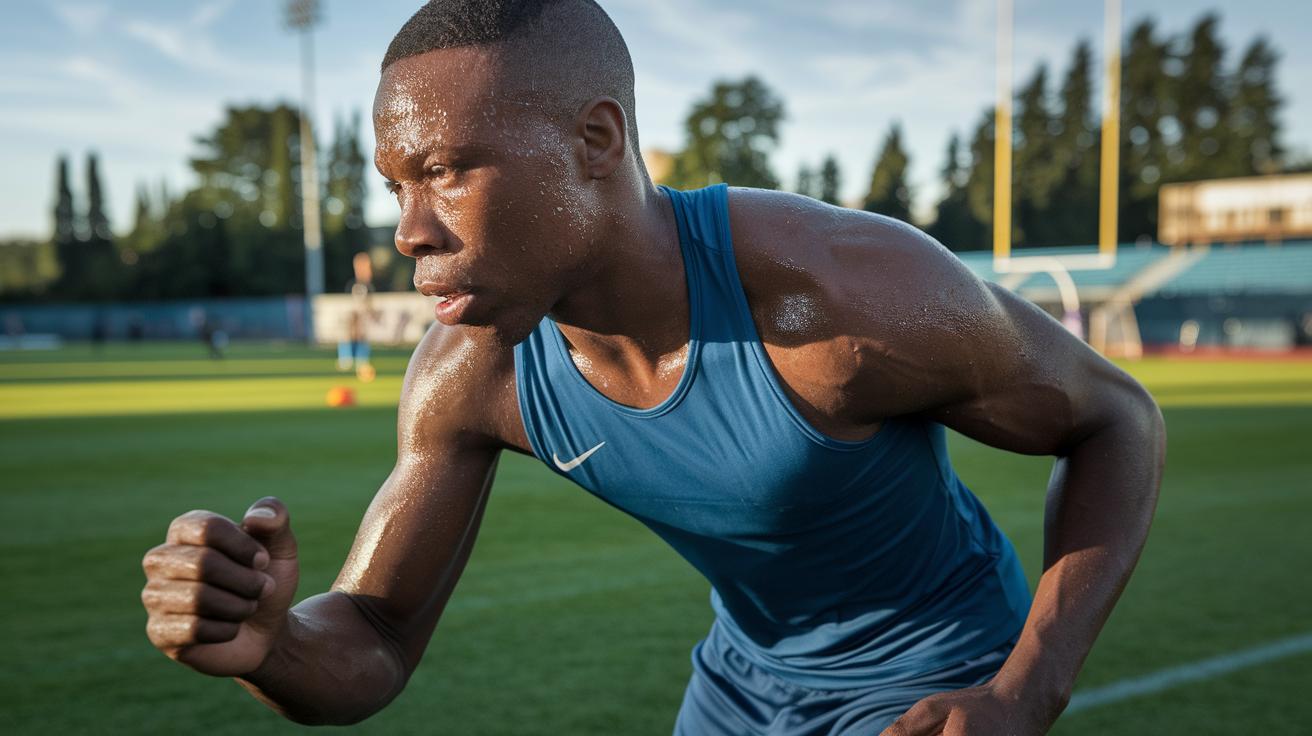

Instagram and TikTok are shaking things up for athletes on their comeback journey. On Instagram, athletes share quick peeks into training, recovery, and behind-the-scenes moments using Stories. Imagine an athlete posting a Story with the caption "Today's grind is real" that pulls you right into their world, it almost feels like you're there cheering them on.
TikTok brings its own flair with fun challenges. Athletes create short, punchy videos that capture intense workouts or clever recovery tips, letting their true selves shine through. Picture a quick clip called "Watch me bounce back" that mixes skill with a bit of humor. Fans jump in, liking, commenting, and even trying the moves for themselves, which keeps the excitement buzzing.
Twitter also plays a cool part. Live Q&As and real-time polls give athletes a direct line to their fans. A simple tweet like "Poll: Which training move gets you hyped?" sparks immediate replies and lets them know just how much support is out there. It feels like a quick backstage chat during a live event, where every like and comment tells a story.
A strong virtual presence matters too. Athletes count on solid content schedules and quick replies to keep the comeback story upbeat and on track. This careful planning not only wards off sudden criticism but also keeps the news and the vibe consistently fresh and positive.
Social Media-Fueled Comeback Case Studies
Nike’s 2025 “So Win” Super Bowl campaign shows how a clever social media plan can completely change a brand’s story. Picture an Instagram post saying, "We believe in every comeback" with raw behind-the-scenes videos of nine determined female athletes. The feed buzzed with energy as one post featured an athlete declaring, "Today, I choose progress," sparking a flood of support and giving Nike a fresh, powerful image.
Caitlin Clark’s 2023 TikTok clips are another cool example. Her short, punchy videos capture her exciting return to college sports, turning everyday training into must-see moments. One quick clip might shout, "Watch me flip the game," instantly drawing in fans and boosting the hashtag reach. Her content isn’t just a comeback story; it feels like a celebration of every small win.
Influencer-athlete partnerships add even more spark. Imagine a popular sports influencer posting, "This comeback is a masterclass in grit," and tagging a rising star. These collabs work like a digital megaphone, spreading the message of resilience far beyond the usual channels.
Each example here proves that digital platforms can turn personal comebacks into cultural events. With creative content, genuine storytelling, and the right online buddies, these comeback journeys become viral moments that inspire fans and redefine brand legacies.
Social Media Risks in Athlete Comebacks
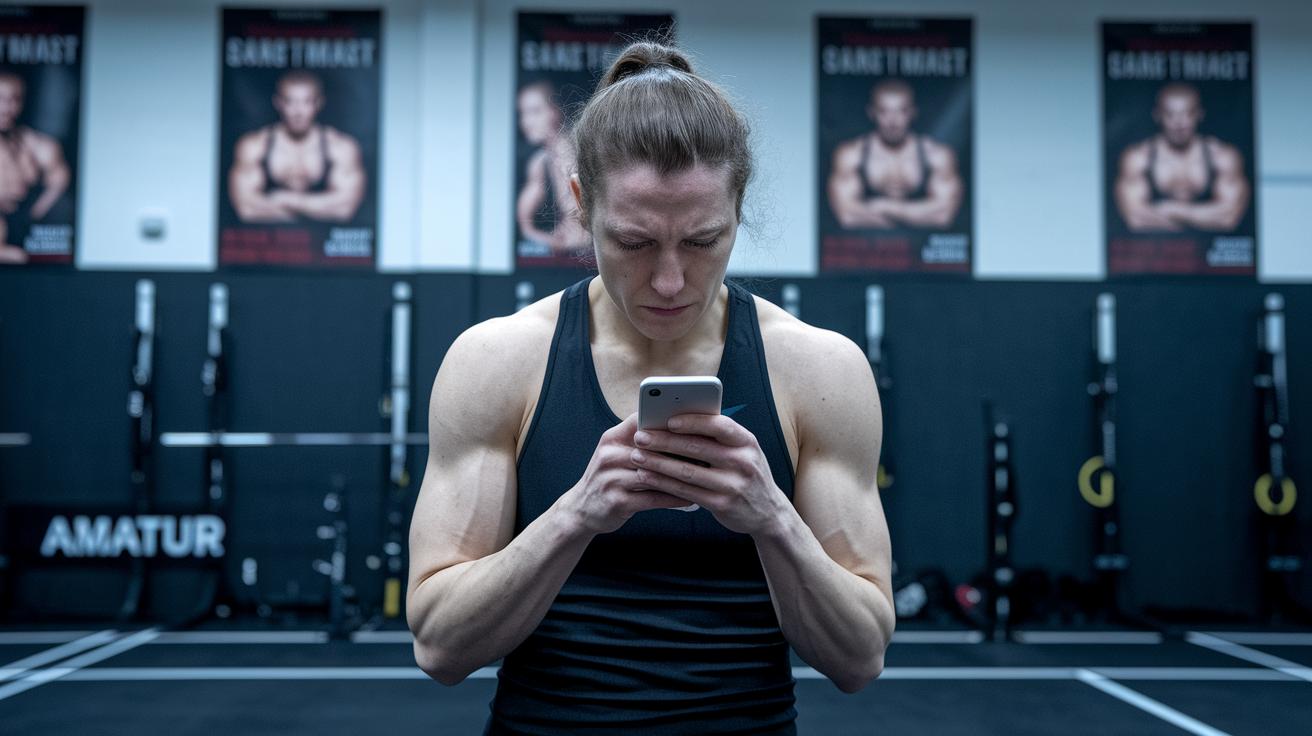
Social media can flip supportive moments into tense showdowns in no time. Think about it: while an athlete is trying to bounce back, a rude comment on Twitter or Facebook can hit like a ton of bricks. Imagine reading a tweet that says, "You're done; no more comebacks!", that one post can feel like a sharp blow to someone already under pressure. One surprising case shared how, after a devastating loss, Athlete X was hit with a flood of harsh Twitter comments, making recovery seem even tougher.
The negative side of the online world goes beyond just bruised egos. Studies show that constant digital criticism can cloud an athlete’s focus and slow down their mental recovery. Some athletes even see their performance dip when personal digs cut too deep. To fight back, many turn to engaging with their supportive fans or tweaking their response plans. Quick, heartfelt replies and a well-planned content calendar can help shield them from the worst of the feedback, letting them channel all that energy into making an epic comeback.
Expert Strategies for a Social Media-Driven Athlete Comeback
When an athlete gears up for a comeback, it's like rolling out their secret playbook. They kick things off with a quick teaser, saying something like "Ready to turn the game around?", to spark that early buzz and set the stage for what's to come. Then they switch gears seamlessly, moving from heart-racing live updates during the action to relaxed, detailed recaps afterward so that every win feels like it’s happening right then and there.
Behind the scenes, smart tools like analytics dashboards and sentiment analysis (tools that check how fans are feeling online) act like extra eyes. Picture an athlete checking real-time feedback on Twitter or Instagram and using that info to tweak their message on the fly. Imagine a tweet that asks, "How pumped are you for tomorrow’s comeback?" and then, based on a flood of positive replies and likes, the message gets just the right adjustment to keep the energy high.
One cool example comes from Brand X. They fine-tuned their video timing by keeping an eye on engagement numbers, which led to a huge 45% boost in positive mentions during their comeback phase. This just goes to show that mixing thoughtful, phased content with tech-driven insights can be a total game-changer when rallying fan support and steering an athlete’s narrative toward a triumphant return.
Measuring Social Media Impact on Athlete Comebacks
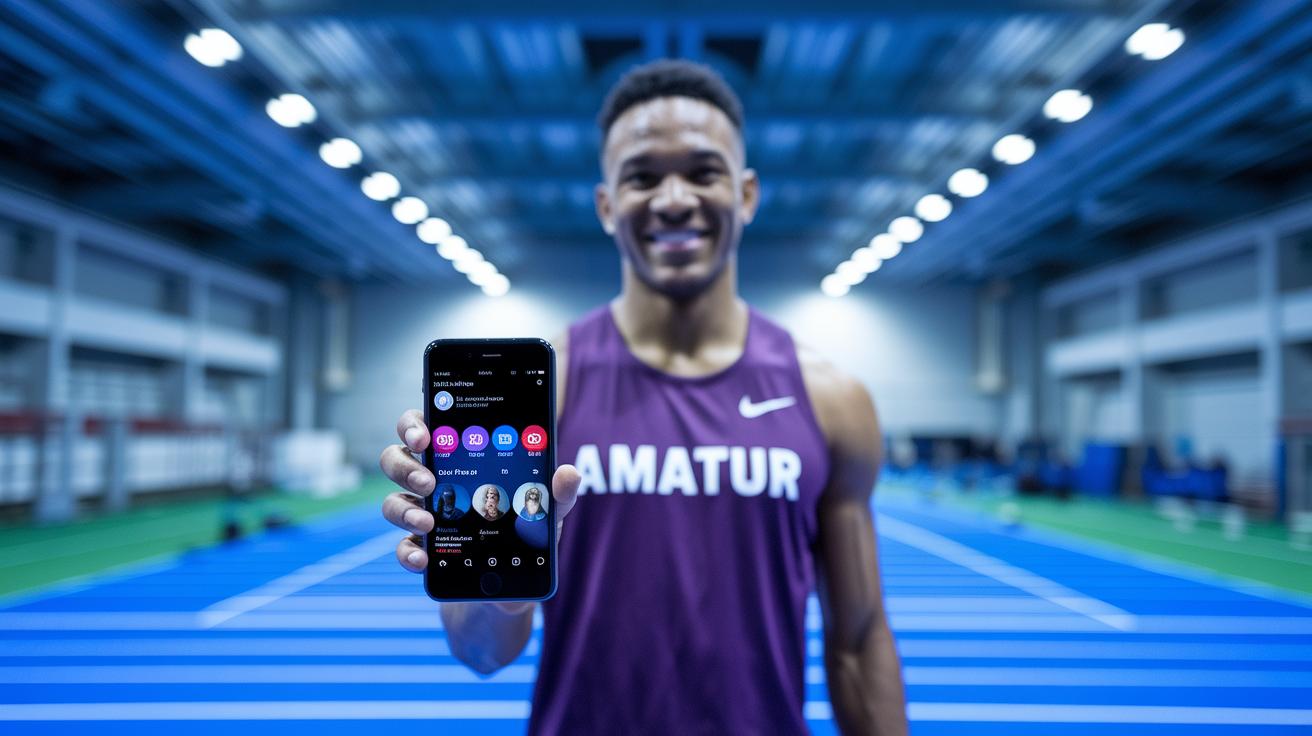
An athlete’s comeback isn’t just about what happens on the field, it’s also about the digital high-fives online. Fans’ likes, shares, and comments light up the comeback story, turning stats into a real cheer party. Think of it like seeing your crew rallying with a “Go back out there!” and watching the numbers soar.
Numbers like likes, comments, and shares give a clear picture of just how deep fans are into the journey. For example, Athlete Y’s hashtag reach jumped up by 60%, and the overall positive vibe shot from a low 0.2 to a high 0.75 on a 1.0 scale. It’s a lot like watching your team bounce back after a tough game, a little spark can really change the game.
This mix of cold hard numbers and heartwarming fan stories gives teams a full picture. Sure, the data shows how many people are tuned in, but it also shows the genuine emotion behind every post. Picture an athlete sharing a recovery selfie with a caption like “Every setback fuels the next win.” That short note can hit home, merging hard stats with the real passion of the fans.
Using these insights, athletes and teams can tweak their online moves on the fly. They learn what works and adjust the comeback story in real time, keeping the energy high and the digital support rolling in.
Final Words
In the action, the blog tapped into how athletes use social channels like Instagram Stories, Twitter polls, and viral TikTok videos to shape their comeback stories. The layers of fan engagement and real-time criticism form an exciting and challenging modern arena. Quick case studies showed the power of justified collaboration and expert timing in boosting morale. With every post and interaction, this dynamic content highlights the significant social media influence on athlete comebacks, leaving us all feeling inspired and ready for the next big moment.
FAQ
What impact does social media have on athletes?
The impact of social media on athletes is clear—it gives them a direct way to share recovery updates, training footage, and personal reflections while building a dynamic public presence.
How do sports fans respond on social media to professional athletes norm violations?
The response to norm violations is active, with fans using comments, shares, and likes to express their views, instantly influencing public opinion and the athlete’s image.
How has social media affected the reporting of sports?
Social media has changed sports reporting by delivering real-time updates and creating interactive discussions, which adds a fresh, immediate layer to how events are covered and analyzed.
What is a significant challenge athletes face when using social media?
A significant challenge is managing swift, unfiltered criticism that can increase pressure and affect mental focus during critical moments of a comeback.