
Ever thought a comeback was just about sweat and tears? It isn’t that simple. Behind every great return, a coach works magic, turning tough setbacks into new steps forward.
Think of a coach like a secret guide who sets smart goals and stays by your side. They aren’t just there to fine-tune your moves with little drills, they’re there to boost your mood when you need it most. Their mix of smart planning and honest care helps rebuild not just your body, but your mind too.
So next time you see someone make a big comeback, remember the coach who helped light the way. Their genuine support is what really fuels the journey from injury to victory.
How Coaching Drives Successful Athlete Comebacks
Coaches are like the unsung heroes behind an athlete’s big comeback, laying out a simple four-step plan: set clear personal goals, slow and steady master the basics, check your current fitness, and craft a program that fits you perfectly. Ever notice that before athletes reach peak performance, they start with simple drills to build a solid foundation?
Great coaching isn’t just about matching numbers with drills, it’s about keeping it real. Coaches hang out with athletes, highlighting what they're great at while gently pointing out where they could use a little extra work. They often ask, “What can I do right now to be my best?” This little nudge keeps everyone focused on the present, steering them away from past slip-ups and onto the path of real, step-by-step progress.
The real magic unfolds when physical and mental recovery join forces. While doctors and physiotherapists fix up the body, coaches tackle that pesky loss of confidence and those sneaky feelings of fear and anxiety. They check both your performance numbers and your mental strength, so you’re not just rebuilding muscles but also your inner drive. Imagine starting with the basics of your running form and, step by step, working towards those tricky, complex skills, all with a coach who pushes you physically and lifts you mentally. This blend of straightforward drills and mind-boosting chats turns every hurdle into a stepping stone for a true comeback.
Psychological Coaching Techniques for Athlete Comebacks


Coaches are all about helping athletes bounce back after a rough patch. They use mental toughness tips to tackle those heavy feelings like fear, anxiety, frustration, and loneliness that often hit after an injury. With focused recovery drills and quick, action-packed questions, athletes learn to keep distractions at bay and get ready to shine on the field.
- Visualization exercises
- Goal-setting check-ins
- Stress-management breathing drills
- Self-talk scripts
- Focus-on-play simulations
- Confidence-rebuilding feedback loops
Mixing these strategies gives athletes a mental playbook that turns doubt into determination. Pair a clear mental game plan with hands-on drills, and every session becomes a stepping stone toward razor-sharp focus. It’s like handing them the perfect combo of tools and self-belief to quiet that inner chatter and make every move count.
Physical Rehabilitation Frameworks and Coaching Sessions
Getting back on your feet takes a solid plan. You start by easing in with simple moves like running, swimming, and biking to lock in the right technique without the risk of injury. Experienced coaches, with over 30 years under their belt training Ironman, Olympic, and age-group champions, kick things off by checking your current fitness. They then craft sessions that mix technical drills, strength, flexibility, and even set aside time for rest. Each step is carefully planned so you build your skills slowly but surely.
To keep the momentum going, coaches add checkpoint assessments along the way. These mini-goals let you see your progress and keep the drive alive. Every tweak makes sure every move is just right and helps you avoid burning out while steadily moving forward.
| Framework | Focus | Duration |
|---|---|---|
| Foundational Movement | Technique mastery | 4–6 weeks |
| Strength & Conditioning | Muscle rebuilding | 6–8 weeks |
| Sport-Specific Drills | Performance simulation | 4–6 weeks |
Tailoring the workout to each athlete is key. Every recovery journey is unique, so coaches know just when to push and when to ease off, kind of like gradually increasing the beat in your favorite song. Once you get that solid rhythm and stick to strong technique, everything naturally comes together. Every session is made to match your pace, keeping you safe as you steadily climb towards peak performance.
Tactical Guidance and Strategic Adjustments by Coaches
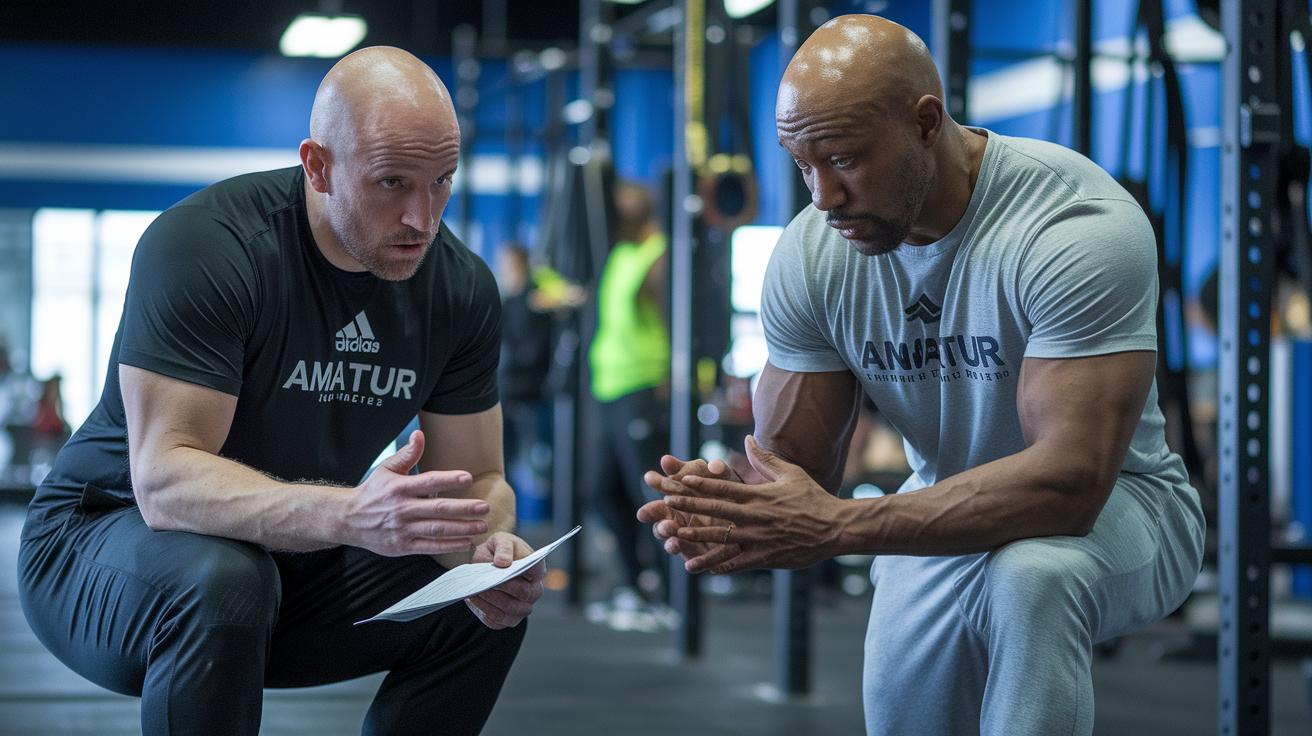
Coaches create clear game plans while really caring about each athlete. They focus on each player’s special skills, gently guiding them to boost what they do best and work on parts that need a little extra help. They often ask simple, right-now questions like "What can I do right now to be my best?" to keep everyone fully present during practice and games.
Scenario-based drills are a huge part of the process. Picture a practice where an athlete faces real game-like moments, making snap decisions on the court or field. Coaches set up exercises that feel like those intense, pressure-filled plays, teaching players to think quickly, adjust on the fly, and not get hung up on past mistakes, just like UCLA did when they focused on making smart, quick plays.
Then there’s the magic of film review. Coaches sit down with players to watch game replays and point out what went well and what could be better. They work with the team to tweak strategies and fine-tune movements until every play feels natural. This blend of watching and practicing turns smart ideas into steady, competitive performance.
Crafting a Customized Comeback Blueprint
Coaches start by checking your fitness level. They look at things like strength, endurance, and how well you move. It’s like doing a warm-up lap that shows exactly where you are so they can tailor the workout just for you.
Next up, the focus shifts to nailing the basics. Before jumping into heavy weights or tricky moves, athletes work on perfecting simple movements. This step-by-step process builds both confidence and safety. Picture it like practicing a basic sprint until every step feels smooth and natural.
Then, you lean into the power of teamwork. Training with a crew or club creates a vibe where everyone cheers one another on. It’s just like having your personal cheering squad that keeps you motivated and on track every single time.
Case Studies of Coach-Led Athlete Comebacks
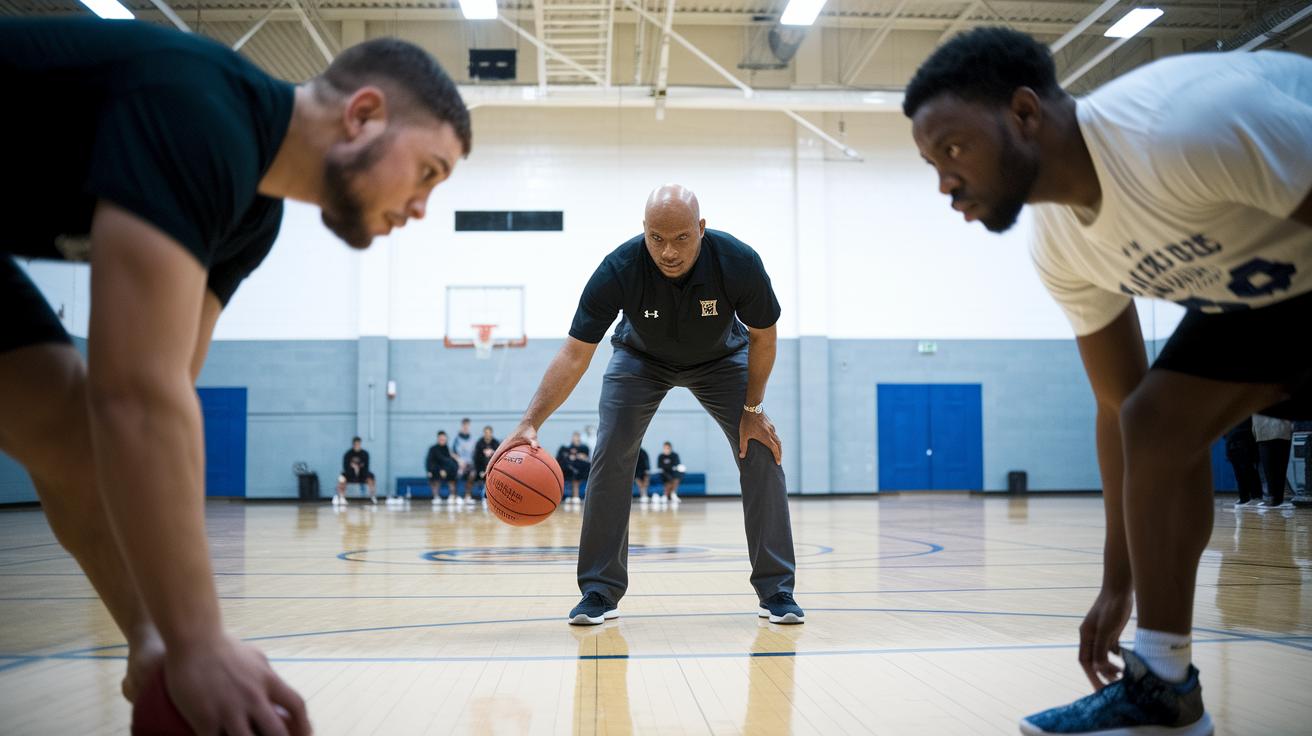
UCLA basketball pulled off a game-changing comeback during a crunch time. The coaches lined up sharp drills that zeroed in on the here and now, asking the team, "What can you do right now to shine?" This quick, on-the-spot mental reset wasn’t about boring routines, it was a burst of focus when every second counted. With the clock ticking down, these carefully guided drills flipped stress into a surge of confidence that kept the team in control. Imagine that final play where one simple question sparks a wave of determination across the court.
An Ironman superstar made a stellar return thanks to a veteran coach with over 30 years under his belt. The coach crafted a clear, step-by-step plan that mixed gentle physical challenges with quick mental exercises like visualizations (picturing success) and check-ins. It all kicked off with basic movements to help rebuild strength, slowly paving the way back into tough training sessions. Each workout was designed to boost both muscle and morale, gradually mimicking the pressure of true competition. In less than nine months, the athlete hit peak form again, showing how expert, caring coaching can turn setbacks into big wins.
Evaluating Comeback Outcomes with Performance Metrics
Coaches mix physical signs and mental readiness to keep comeback journeys on track. They check out things like strength, speed, and endurance while also asking, “How confident are you feeling in practice?” This ongoing check helps athletes stay cool under pressure and tweak their game plan on the fly.
Every session is like a quick tune-up that shows whether the current plan is really pushing the athlete to be the best they can be. They use clear, simple numbers and self-checks to give instant feedback for training and in-game decisions.
Here are some key markers they watch:
- Time to get back to full training volume
- Benchmarks for strength and power
- Endurance performance times
- Self-ratings for mental readiness
- Accuracy in in-game decisions
By tracking these points, coaches can spot exactly what needs a little extra work. This focused approach helps build a tougher, sharper competitor who’s steadily climbing toward peak performance.
Sustaining Post-Comeback Momentum through Coaching
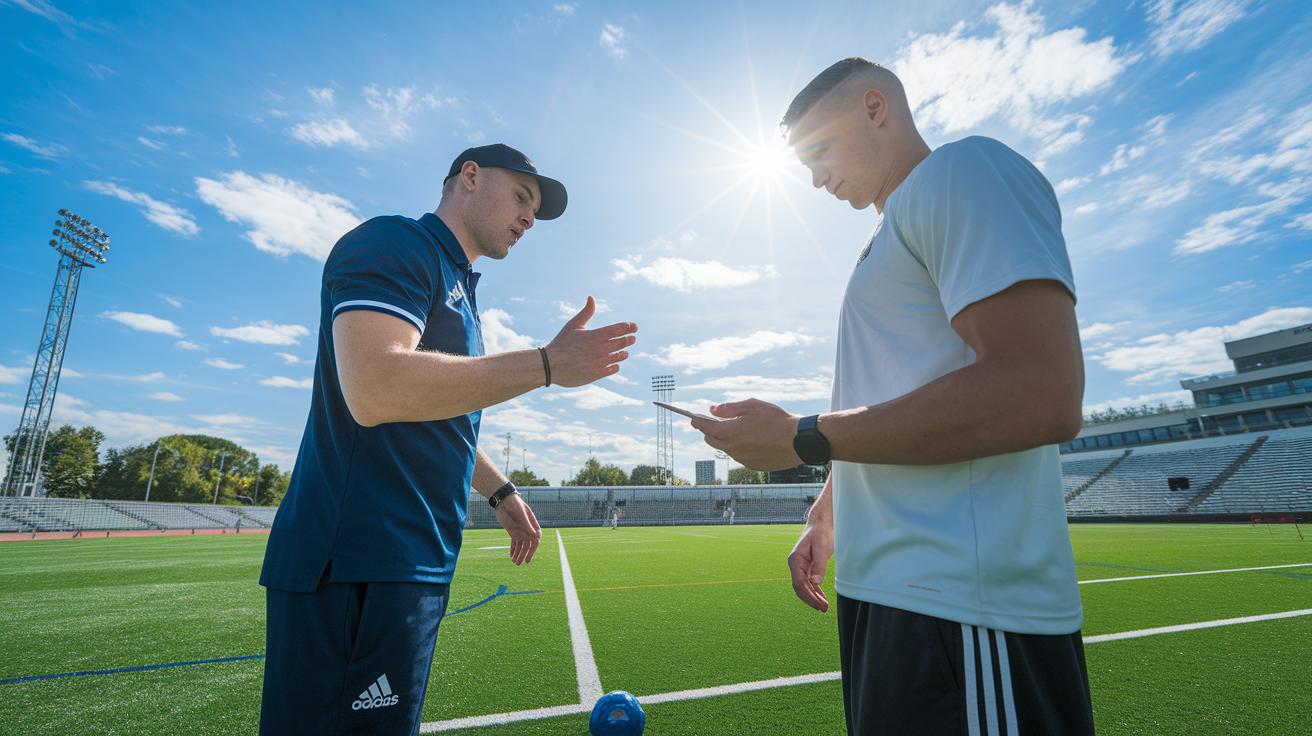
Coaching today is all about building lasting mental toughness in a fresh, new way. You get sessions that mix personalized mindfulness drills, visualization exercises, and stress-busting techniques designed to strengthen your inner grit. A coach might even say, "Imagine your comeback as the opening act that sets up a stunning show."
Now, there's a cool twist in the game, live feedback during high-energy drills. Athletes and coaches tweak their moves on the fly, keeping focus sharp and confidence high.
Every day, coaches check both body and mind. They hold quick, focused chats, asking, "How are you feeling today?" This method pairs short mood check-ins with tech tools to track energy and stress levels. Even tiny shifts in focus are caught, so adjustments happen right away to keep athletes locked in and ready. These quick, targeted boosts help fuel strong performance long after the initial comeback.
Final Words
In the action, the post kicked off by outlining four comeback steps, blending strategic insights with empathetic coaching. It shared how physical recovery frameworks, mental drills, and case studies highlight a structured yet flexible plan. Short, punchy insights on assessment and tactical adjustments set the stage for a robust comeback story.
The piece wrapped with an examination of performance metrics and long-term routines. It leaves us inspired to celebrate the powerful role of coaching in athlete comebacks, turning setbacks into triumphant returns.
FAQ
How to make an athletic comeback?
The athletic comeback involves setting clear goals, mastering basic movements slowly, assessing fitness, and working with a coach to design a personalized program that blends physical and mental recovery strategies.
What is the role of a coach in athletics?
The role of a coach in athletics includes guiding training, providing customized plans, and boosting mental confidence. Coaches balance physical drills with strategies to build resilience and focus.
What is the role of the coach in the coach athlete relationship?
The coach in this relationship offers supportive guidance, clear communication, and focused feedback that builds trust and highlights key areas for improvement on the path to success.
How does coaching impact athletes?
Coaching impacts athletes by delivering structured recovery plans, balancing mental and physical training, and using real-time adjustments to help athletes overcome setbacks and perform at their best.