













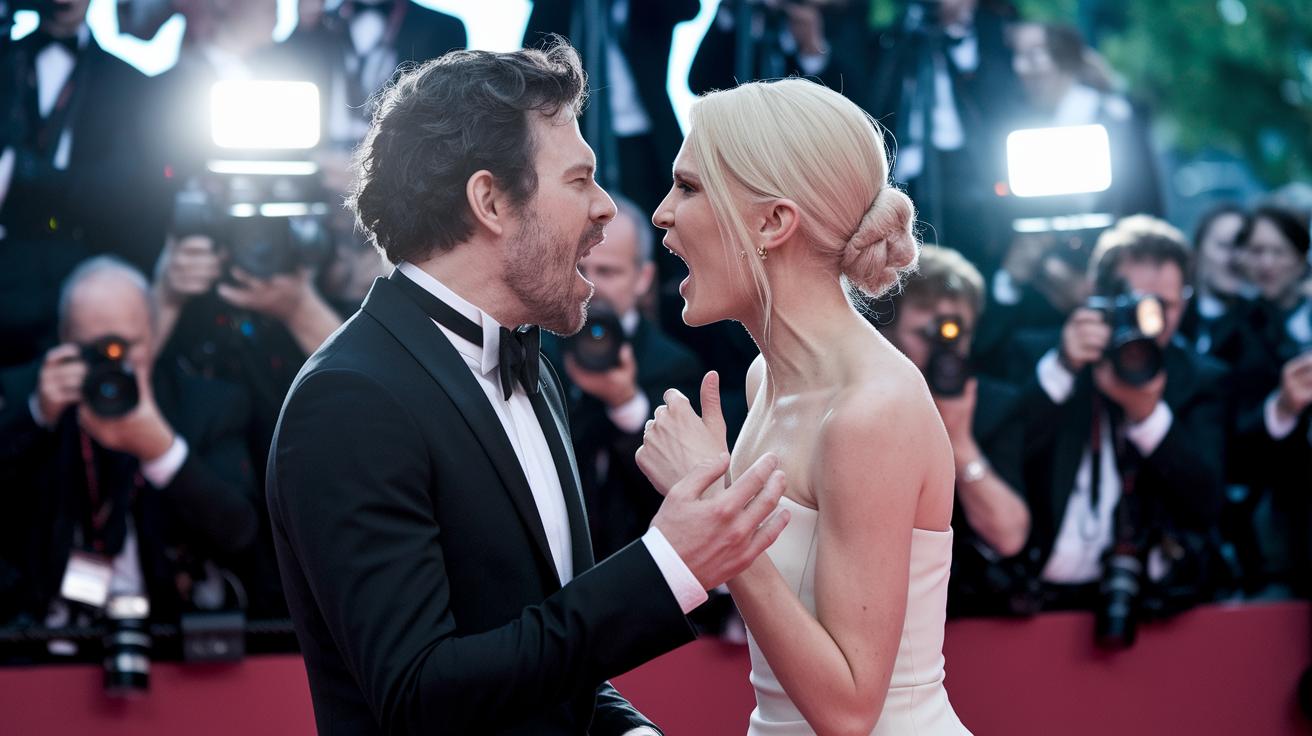
Ever notice how one offhand remark can blow up into a full-on celebrity feud? News and social media love to turn a simple comment into a blazing headline. It's like a tiny spark lighting a wild fire, where one tweet or clip flips ordinary chatter into a real spectacle. In this post, you'll see how outlets handpick moments to ramp up the drama and make personal spats seem larger than life. Ready to dive in and uncover how the media shapes our view of celeb clashes?
How Traditional Press Shapes Celebrity Feuds
Traditional news has a knack for lighting the fuse on celebrity beefs. News teams sift through heated moments and pick just the right clips to shape a story. Remember when Nicki Minaj fired off those blunt posts on July 8, 2023? Newspapers and TV shows jumped on her pointed comments, turning a social media rant into a headline everybody had to see. One writer even tossed out a line like, "Nicki’s Firestorm: When Instagram Outshines Traditional News," to grab your attention right away.
TV segments, tabloids, and even online sites hunt for those punchy sound bites and striking images to up the drama. They clip sharp remarks, like her biting comments about Roc Nation’s leadership, and repeat them on countless platforms. This makes it feel like every word was thrown in a personal battle, with each quote echoing like a battle cry from someone in the thick of the action.
Editors also know how to work the spotlight strategically. A single fiery tweet can morph into minutes of live discussion or fill multiple columns of detailed analysis. These tactics make celebrity feuds seem larger than life, swaying fan loyalty and steering public opinion. In a way, the more dramatic the headline, the longer the feud stays in the buzz, keeping everyone hooked and the debates lively.
Ultimately, traditional media does more than simply mirror these conflicts, it amplifies them, shaping how we see and remember every twist and turn in the star-studded drama.
Social Media Platforms in Amplifying Fame Wars

X’s Messaging and Feud Amplification
Did you know a Mercury retrograde tweet on July 15, 2025 sparked an online storm? One tweet, meant as a playful nod to the stars, quickly morphed into a digital brawl when a casual follow-up joked, "don’t take the bait lol silly goose." Suddenly, threads filled with snappy replies like “Go draw your freckles back on bookie” and weird “dead dog” comparisons. The platform became the perfect stage for a modern clash, with trending hashtags and heated tweet storms turning everyday banter into headline news. Fans piled in, adding their own spark to the fire.
Visual Platforms and Public Reaction
On the visual side, Instagram Stories, Reels, and even TikTok duets captured the drama beautifully. Each short clip and live video turned into a snapshot of raw emotion, making the feud feel even more intense. It was like watching a live backstage pass where every twist was shown in vivid detail. And before you knew it, social media algorithms were boosting the content that hit home for everyone.
| Tactic | Description |
|---|---|
| Trending hashtag mobilization | Fans rally behind key hashtags, making the drama trend. |
| Viral quote-card graphics | Catchy images with quotes spread the buzz far and wide. |
| Fan-edited meme circulation | Creative memes offer a humorous twist and add personal flair. |
| Live reaction videos | Real-time reactions capture every dramatic beat. |
| Algorithmic push notifications | Social platforms alert users about the hottest posts. |
These tactics turned a misunderstood tweet into a full-blown public spectacle, keeping audiences, critics, and celebrities buzzing with excitement at every turn.
How Traditional Press Shapes Celebrity Feuds
Traditional media, from respected news sources to eye-catching tabloids, loves to stir up celebrity battles with bold headlines and vivid photos. Editors throw out lines like "Who REALLY needs this feud?" and hint at industry betrayal to keep the drama alive and buzzing.
These moves aren’t random at all. They use clear visuals and rumor amplification (that’s turning a small remark into major buzz) to draw us in. One article even kicked off with, "When a streaming statistic sparked a media frenzy, fans were left reeling," instantly pulling readers into the spectacle.
Clickbait is a top tactic here. Every word and picture is picked to boost tension and ignite endless debate, making traditional press a key player in fanning the flames of celebrity quarrels.
- Provocative headlines
- Vivid imagery
- Rumor amplification
Narrative Framing and Bias in Celebrity Conflict Coverage

Editors and media outlets often shape celebrity feuds by grabbing only the quotes that fit their angle. They mix classic drama with a splash of bias, playing up issues like workplace mistreatment or money troubles. One headline might warn, "Financial missteps could cost more than fame," while another shines a light on claims of abuse, each giving the story its own twist.
Traditional coverage tends to dig into personal insults and dramatic claims that draw in fans fast. But bias creeps in when topics like the #JusticeForDemoree movement pop up, or when a story pits office drama against cash issues. This blend reveals how old-school storytelling gets a nudge toward swaying public opinion, leaving us to wonder where fact ends and angle begins.
- Old methods lean on personal conflict quotes that fans easily relate to.
- Bias-driven framing puts the spotlight on money troubles vs. workplace issues.
- For instance, one outlet might start with a curveball, saying, “This financial slip could change the game,” instantly shifting where the public looks.
By juggling these approaches, editors steer us into thinking about a star as either a hero or a villain, amping up the drama in every celebrity conflict.
Case Study: July 15, 2025 Online Feud and Media Dynamics
On July 15, 2025, a playful tweet during Mercury retrograde quickly stirred up a storm online. One artist joked, "don't take the bait lol silly goose," and that comment sparked some harsh replies, things like "dead dog" and digs about looks. What started as a light tease soon turned into a big digital argument.
Before long, another artist stepped in, proudly sharing her tour with Kendrick Lamar and boasting strong streaming numbers to dodge the personal attacks. Soon, critics began questioning these numbers and even the ethics behind her management, adding more fuel to an already heated debate. The discussion quickly spread out, reaching into talks about label politics and trending hashtags like #JusticeForDemoree.
Media outlets jumped on the story, each giving it their own twist. Check out the table below to see how different channels shaped the story:
| Date | Media Channel | Coverage Focus | Impact |
|---|---|---|---|
| July 15, 2025 | X | Initial tweet and responses | Quick viral buzz |
| July 15, 2025 | Visual call-outs and stories | High engagement | |
| July 15, 2025 | Tabloid | Sensationalized details | Sparking a wide debate |
| July 15, 2025 | Broadcast | Live chats and expert opinions | Prolonged news cycle |
| July 15, 2025 | Online Forums | Fan theories and memes | Sustained momentum |
This case shows how a single tweet, twisted by misunderstanding and amplified by various media, quickly grew into a full-blown online feud.
Positive Media Strategies for Mitigating Star Rivalries

Journalists and PR pros can cool down celebrity spats with a few smart moves. Using balanced sources and clear context turns heated feuds into plain, honest stories. When covering a row, sharing direct quotes gives you the unfiltered scoop instead of wild headlines. Imagine a singer’s posts about her tour with Kendrick Lamar accompanied by solid streaming numbers, this mix cuts through the drama to show real success.
Getting all sides in the story means checking facts and quoting voices exactly as they are. It lets readers decide what really matters. You might even add a quick note, like “This number was updated with the latest streaming data,” much like sharing a secret over coffee.
Journalists can lean on these tips:
- Balanced sourcing from multiple trusted voices
- Giving context to sort out disputes
- Using direct quotes to keep it real
- Adding quick corrections to clear up rumors
Using these simple strategies takes the heat out of celebrity feuds, turning chaotic stories into clear, honest reports that inform, and don’t inflame.
Future of Media in Celebrity Disputes: Digital Storytelling and Real-Time Updates
Algorithmic Bias in Feud Coverage
Today, platform algorithms are like the backstage insiders of celebrity clashes. They pick out those dramatic sound bites and striking images to keep the buzz buzzing. But sometimes, by spotlighting just a few voices, these systems paint a one-sided picture. Ever scrolled through your feed and felt like you were only catching the most heated, simplified bits of a drama? That's algorithmic bias in action, turning personal issues into flashy highlights.
Interactive and Immersive Reporting
New tech is transforming how we experience celebrity feuds. Imagine using augmented reality or virtual reality recaps for a virtual backstage pass to the drama. Live polls let you join the conversation as the story unfolds in real time, almost like choosing your own adventure. With AI-generated summaries and interactive elements, news outlets are blending classic reporting with digital storytelling, giving you a front-row seat to every twist in the unfolding battle.
Final Words
In the action, we saw how traditional press, social platforms, and tabloid tactics shape celebrity feuds. The article broke down headline formulas, social media bursts, and careful narrative framing that steer public opinion. It showed how balanced reporting can calm heated rivalries and even give artists a chance to set the record straight. Exploring media's role in celebrity feuds reminds us that while drama keeps us hooked, smart coverage can spark deeper understanding and positive change. What an exciting peek behind the curtain!
FAQ
How does traditional press influence celebrity feuds?
The traditional press influences celebrity feuds by choosing specific angles and crafting headlines that magnify disputes, thereby shaping public perception and extending the life of high-profile conflicts.
How do social media platforms amplify celebrity fame wars?
The role of social media platforms in fame wars is clear—they boost visibility through rapid responses, trending hashtags, and visual call-outs, making star feuds explode into viral online discussions.
How do tabloid headlines and imagery affect public perception of celebrity disputes?
Tabloid headlines and imagery affect perception by using sensational language and dramatic visuals to draw attention, fueling controversy and keeping celebrity disputes in the spotlight for longer.
How does narrative framing shape bias in celebrity conflict reporting?
The narrative framing in celebrity conflict reporting influences bias by selecting specific quotes and angles that tilt audience sympathy, often highlighting particular issues and swaying public opinion.
What insights arise from the July 15, 2025 online feud case study?
The July 15, 2025 case study shows how diverse media channels—from social platforms to tabloid reports—react and contribute to the rapid evolution of a celebrity feud, affecting overall public sentiment.
What positive strategies can media employ to mitigate star rivalries?
Positive media strategies include balanced sourcing, providing context, and clearly correcting misinformation, which help de-escalate conflicts and allow artists to reclaim their narrative confidently.
How will future digital storytelling shape celebrity dispute coverage?
Future digital storytelling will shape dispute coverage with real-time updates, AI-generated summaries, and immersive AR/VR experiences, offering audiences interactive and engaging ways to follow celebrity conflicts.