
Is age a setback in sports? Not at all. Seasoned players prove that growing older means gaining a secret edge. Their comeback stories, like Michael Vick’s and Billie Jean King’s, show how setbacks can turn into smart moves. With clear goal-setting, careful workouts, and a focus on good nutrition, these pros let their experience shine on the field. Read on to uncover the winning strategies that turn years of tough lessons into unstoppable success.
Core Strategies in Veteran Athlete Comebacks
Age and experience are like secret weapons in sports. Over the years, veteran athletes sharpen their skills and learn how to turn a tough loss into a smart play. Think about Michael Vick, who made a stunning comeback after 13 NFL seasons, or Billie Jean King, who broke barriers in tennis both on and off the court. It’s proof that maturity can really light a fire under someone.
Experience also teaches these athletes how to handle both physical challenges and tough mental moments. They’ve been through it all and know the art of balancing peak performance with careful recovery. With every setback and every win, they learn to set realistic goals and take good care of their bodies. It’s like having a backstage pass to the secrets of competitive resilience.
They use a few tried-and-true strategies that work together like a well-oiled machine:
- Customized goal setting
- Progressive load management
- Reinforced support networks
- Integrated performance metrics
- Targeted nutrition adjustments
All these strategies mesh into a solid game plan that not only recharges their performance but also builds endurance for the long haul. By mixing hard-earned wisdom with fresh, creative tactics, veteran athletes show us that with smart planning and a bit of grit, a comeback isn’t just possible, it’s unstoppable.
Adaptive Training Modifications for Career Revival
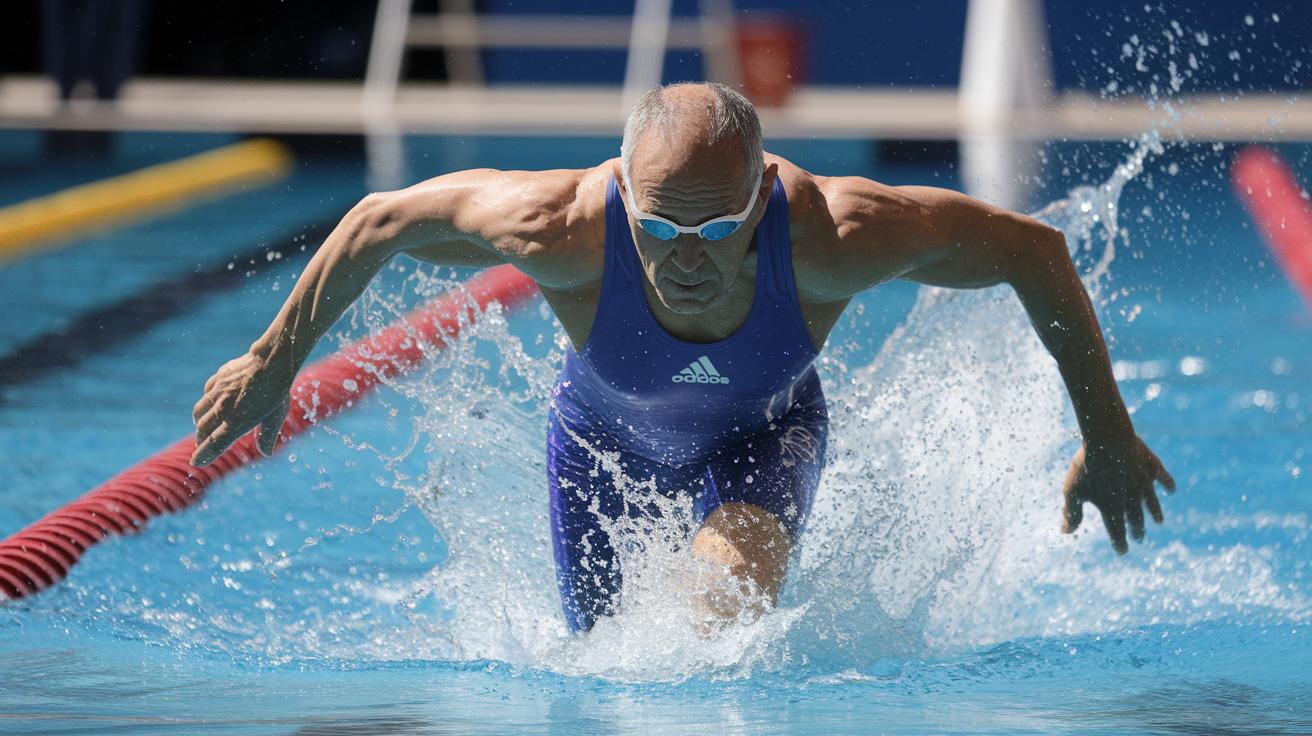

When veteran athletes set out to make a comeback, they need workouts that really fit their body. Tailored exercises help aging muscles work smoothly and avoid the bumps of past injuries. Think of Monica Seles, who got back in the game with steady strength training, or Jennifer Capriati, who sharpened her skills with special conditioning. It’s a bit like tuning up a classic car, small tweaks can lead to a smoother, more powerful ride.
Low-Impact Endurance Drills
For those looking to boost stamina without stressing their joints, low-impact drills like pool running, cycling, and elliptical sessions are the go-to. These moves pump up your heart while keeping the pressure off your body. Picture a cool pool run, it’s a mix of effort and ease that keeps your endurance up with less strain.
Progressive Strength Phases
Building strength means following a routine that slowly ramps up the challenge. A step-by-step resistance workout helps focus on the muscles you really need to rebuild, boosting balance and power during play. Athletes should also keep an eye on how they recover, checking in on rest, muscle soreness, and flexibility with gadgets or quick assessments, to ensure they’re steadily moving toward a full and steady comeback.
Mental Conditioning and Motivation for Late-Career Returns
Changing the way you think is a big deal when making a comeback. Seasoned athletes all agree: a strong mindset is the secret sauce behind every big return. They use tricks to gather their energy and boost their drive after tough breaks. Think about Sue Bird, who shone in the WNBA for over 19 seasons by picturing her goals clearly and constantly reminding herself why she matters. Then there’s Coach Mike Krzyzewski, who kept his team fired up well into his 60s by blending a caring team vibe with simple, practical mental exercises. And who could forget Dwayne Johnson? His journey from NFL hopeful to worldwide superstar shows how a fresh outlook and a brave step into new challenges can change everything.
- Visualization routines – Imagine running through each move in your head until it feels like the real game.
- Pre-performance rituals – Picture a quick checklist you run through before you hit the field or court.
- Self-talk frameworks – Easy, positive phrases that keep you centered when the pressure is on.
- Stress inoculation training – A way to slowly get used to big pressure so you’re ready when it counts.
Working with sports psychologists can really turn the game around. These experts offer smart, custom mental coaching to help you see your hidden strength and push past any doubts. By mixing planned mind training with real feedback, even the most experienced athletes can stay sharp, drive forward, and make a winning return every time.
Holistic Recovery and Nutrition Tactics for Veteran Athletes

Mixing rehab with solid eating habits is a total game-changer for athletes making a comeback. Seasoned pros know that pairing smart recovery techniques with balanced nutrition can really turn things around. Take Josh Hamilton, for example, he rebuilt his career using focused rehab programs along with tailored diet plans. And then there's Aly Raisman, who fine-tuned her performance with carefully timed meals, or Lindsey Vonn, who used personal physical therapy and anti-inflammatory food plans to bounce back from knee issues. In short, these combined strategies help keep athletes strong while easing old injuries.
Recovery Protocol Framework
Ever experienced that cool relief from an ice bath? Ice baths help calm swollen muscles and reduce soreness, while compression therapy (which helps boost blood flow) speeds up the healing process. Plus, doing gentle moves after a tough workout, what we call active recovery, keeps the body flexible without overdoing it.
Another key trick is timing your meals right. When athletes match their eating schedule with their workouts, they boost energy levels and help muscles repair faster. Smart food choices packed with protein, vitamins, and minerals set the stage for a smoother, long-term comeback.
Inspiring Legendary Sports Comeback Stories of Veteran Athletes
In the world of sports, comeback stories light up our hearts like a burst of energy on game day. Veteran athletes bounce back not just with strength, but with grit, smart moves, and a never-give-up attitude. Their journeys show us that it’s all about having the right mindset and a dash of bravery. Ever felt that rush when a setback becomes your big win?
These warriors mix hard-earned wisdom with non-stop training. They build up mental toughness, use easy-to-follow conditioning tricks, and lean on strong teams that help them break old limits. Their tales feel like front-row seats to a live drama, where every move turns obstacles into stepping stones.
| Athlete | Sport | Comeback Year | Key Achievement |
|---|---|---|---|
| Muhammad Ali | Boxing | 1974 | Rumble in the Jungle win |
| George Foreman | Boxing | 1994 | Youngest heavyweight title regain |
| Joe Montana | Football | 1989 | Game-winning playoff pass |
| Pelé | Soccer | 1975 | New York Cosmos debut |
| Monica Seles | Tennis | 1995 | U.S. Open champion |
The secret behind these comebacks is all about blending a solid game plan with pure determination. They set clear goals and tweak their tactics to turn every setback into a chance to leap forward. Just like a behind-the-scenes look at a blockbuster film, their stories remind us that with the right mix of heart and hustle, any comeback can be nothing short of legendary.
Strategic Performance Planning for Competitive Renewals

Performance analytics are now the secret sauce for veteran athletes aiming to refresh their competitive edge. Imagine tracking every workout detail, from heart rate and sprint speed to recovery time, with tools that break down what’s working and what isn’t. Think of it like getting an insider’s play-by-play, much like LeBron James has done since 2018, mixing sharp data with smart planning to manage the challenges of aging while staying at the top of his game.
Periodized Roadmap
Imagine mapping your training into three clear parts: the big picture (macro), the season-specific tweaks (meso), and daily adjustments (micro). In the macro phase, athletes set long-term goals tied to career milestones. Then comes the meso phase, where they focus on upping their game for the season, and finally, the micro phase zeroes in on day-to-day workout tweaks. Each phase builds on the last, ensuring that every step pushes performance steadily upward.
Data-Driven Adjustments
Modern gadgets and regular check-ups give athletes a real-time guide to fine-tuning their routines. By keeping an eye on key stats, athletes can modify workout intensity, balance needed recovery, and tailor nutrition to hit the mark every time. It’s like having a trusted friend whispering tips in your ear, ensuring every adjustment is both spot-on and practical.
Collaborating closely with coaches and medical teams plays a huge role in this strategy. Bringing together expert insights and structured planning creates a comeback blueprint that keeps athletes performing at their peak, even as their bodies evolve. In the end, the synergy between the team and the athlete drives real, lasting progress.
Final Words
In the action, this post broke down the core strategies for veteran athlete comebacks. We explored how custom goal settings, adaptive training, mental focus, and recovery protocols pave the way for career revivals. The discussion also spurred thoughts on how do veteran athletes stage comebacks by mixing experience with smart, tailored strategies. With proven examples lighting the path, these insights serve as a solid roadmap for anyone inspired by athletic reinvention. Keep the energy high and the mindset open for more exciting revelations ahead.
FAQ
How do athletes bounce back from setbacks, make an athletic comeback, and deal with failure?
Athletes bounce back from setbacks, make a comeback, and deal with failure by building resilience, setting clear goals, learning from losses, and leaning on support networks that guide them toward steady progress.
How do athletes show respect?
Athletes show respect by valuing competitors and supporters, acting with sportsmanship on and off the field, and honoring the spirit of the game through friendly gestures and mindful interactions.