













Have you ever wondered how a champion bounces back after a tough loss? Picture an underdog who puts in quiet, determined work and then rocks everyone on game day.
Athletes plan every move with laser focus, rely on their close team, and reignite their love for the game to pull off an epic comeback. This post spills the secret on how even the hardest setbacks can turn into a big, inspiring win.
Ever felt that thrill when someone defies the odds? The energy is contagious, reminding us all that every challenge is just another chance to shine.
Blueprint Behind Athletes Staging a Comeback
Coming back into the game isn’t just about showing up, it’s about having a solid plan. A clear comeback strategy can change the whole play for any athlete ready to compete again. The secret sauce? Figure out what fires you up, rebuild your basics slowly, listen to a coach who knows their stuff, and lean on your team of supporters. For instance, one athlete spent months writing down why they loved the sport before returning to competition. This mix of thoughtful planning and careful training makes every step count.
Knowing your why is a big deal. It means digging into what really motivates you and using that energy to push forward. Think of it like a chef perfecting the base of a recipe before adding all the finishing touches, it’s all about building strength bit by bit. Not only does this slow and steady approach help prevent injury, but it also forms good habits and sharpens your mind for tougher challenges ahead.
Having a trusted coach around makes all the difference, too. Imagine getting advice from someone who’s guided Ironman and Olympic athletes, their experience feels like a backstage pass to success. With their guidance, you learn to test your limits gently and safely. Plus, leaning on friends, family, and training buddies keeps the spirit high and your progress on track, making your comeback feel like a community win as much as a personal victory.
Developing Mental Fortitude for a Successful Comeback
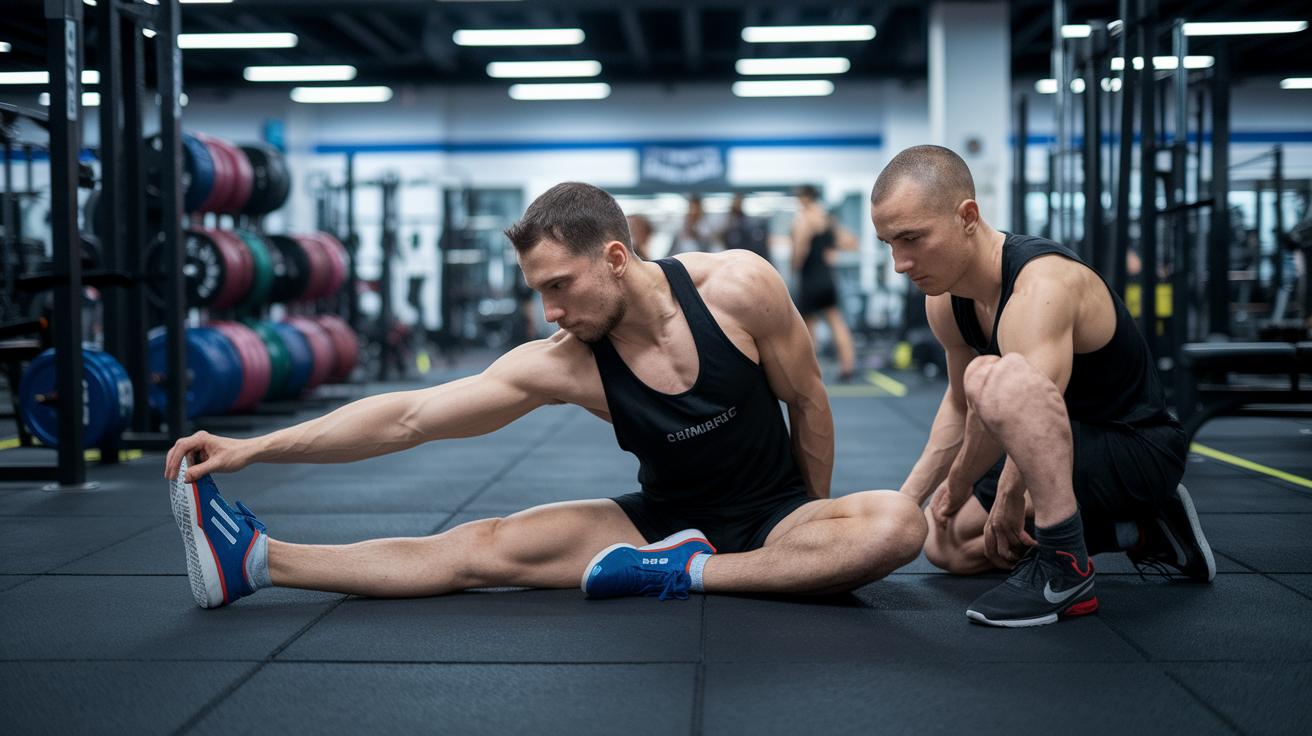
When setbacks come our way, keeping a sharp mind can be the difference between feeling down and stepping back into the spotlight. Many athletes ask themselves, "What can I do right now to be my best?" This simple focus drowns out distractions and locks in on the goal ahead. Mental fortitude coaching shows us that living in the moment is what helps overcome tough challenges. For instance, UCLA teaches athletes to leave past mistakes behind by zeroing in on the here and now. If you're aiming to boost your mental strength, consider these practical techniques:
- Visualization exercises to see yourself succeeding
- Self-talk drills that build a confident inner voice
- Focus triggers like deep breaths or word reminders
- Mindfulness sessions to keep your thoughts clear
- Pre-performance routines that steady your nerves
Elite competitors put these strategies to work during the most intense moments. They picture success in their minds, use self-talk to keep the mood positive when things get intense, and rely on focus triggers to quickly center their thoughts. Mindfulness sessions help them stay clear-headed, while steady pre-game routines settle nerves and keep them ready. In the heat of competition, these mental training tactics become the backbone of a strong comeback, fueling consistency and that unbreakable spirit every step of the way.
Designing the Physical Rehabilitation Process for Comeback Success
Every comeback starts with a recovery plan made just for the athlete. Think of it like a custom playbook that matches your unique injury and strengths, making sure you're ready to train physically and mentally. This plan helps lower the risk of getting hurt again while building up your confidence with every small, steady step.
A solid rehab routine is the heart of the process. It kicks off with simple exercises that improve your movement and uses smart ways to ease the pain. Soon, you start adding more weight and intensity, kind of like warming up before a big performance. This gradual step-up in effort is key to building strength without pushing too hard, keeping the progress smooth and lasting.
Guidance from an expert coach also lights up the journey with cutting-edge sports medicine methods. Coaches with plenty of experience design special routines that might include treatments like cryotherapy (a method to reduce swelling), hydrotherapy (water-based muscle support), and high-tech sensors that track your every move. Using these smart tools along with the coach’s advice helps you move at your own pace and get back in top shape.
Regular check-ins are important too. Coaches and athletes look at progress markers together, making sure each stage gets you closer to peak performance. This teamwork not only strengthens your commitment but also keeps the energy high, so you stay motivated to overcome any setbacks and shine in your comeback.
Strength and Conditioning Routines Driving Performance Renewal

Strength and conditioning is at the heart of getting back in top shape. Athletes build power and stamina step-by-step with workouts that feel like tuning up a high-powered engine, each session adds a little extra spark. The training is split into fun, targeted stages where every phase hones in on a specific strength. This clear, behind-the-scenes plan not only pushes past old limits but also keeps the body safe from injuries.
There’s a fresh twist with adaptive training. By mixing in methods like interval pacing (quick bursts of intense effort followed by recovery) and resistance band exercises, workouts stay both fun and challenging. Cross-training, where a runner might switch between sprints and steady jogs, adds even more variety to build overall strength. These flexible approaches ensure sessions remain lively and help the body handle new challenges without feeling overwhelmed.
Performance optimization is all about balancing hard work with smart rest. Athletes adjust workout intensity to match their progress, often adding easier days to recharge and avoid burnout. Slowly ramping up the difficulty means muscles have to adapt and get stronger. This blend of energetic sessions and planned recovery turns every practice into a stepping stone for an inspiring comeback.
Leveraging Support Networks in Career Resurgence Plans
A tight circle of support, from family and friends to workout buddies and lively online groups, can turn a setback into the kickstart of a big comeback. New ideas like regular video catch-ups or team challenges are sparking fresh energy. Picture this: you're swamped with short, heartening texts popping up right when doubt sneaks in, like a quick "You got this, champ!" that brightens your day and reminds you that help isn’t just face-to-face anymore.
Coaches are getting creative too. Combining real-time advice over video calls with a surprise shout-out on social media, they’re putting a cool tech spin on classic cheerleading. One coach even sent a quick video flashback to past wins during a grueling session, instantly firing up the spirit and making every tough moment feel like a step towards victory.
Now, career comeback plans are built to include these support networks at every checkpoint. They’ve even got backup plans ready, like pairing up with a peer group or reconnecting with a former competitor if your usual crew goes silent. Every progress marker, big or small, gets noticed, and the network smoothly adapts whenever challenges pop up.
Final Words
in the action of building a winning comeback, every step matters. The blueprint highlights clear motivations, a gradual "walk before you run" strategy, coach-guided assessments, and a powerful support network.
It also shows how athletes blend mental fortitude, targeted rehab, and strength routines to push forward.
So, when you ask how do athletes stage a comeback, know that each step fuels a dynamic, inspiring return. The future is bright and full of promise.
FAQ
How do athletes make an athletic comeback and bounce back from setbacks?
How do professional athletes recover so quickly?