











Ever wonder how a small Paris salon lit a spark that grew into the dazzling world of runway shows? Fashion history is packed with bold, game-changing moments that reshaped style and culture.
Back in 19th-century Paris, secret art shows brought fresh designs to life, while in New York, public showcases broke all the rules. Each of these ground-breaking milestones pushed fashion to try something new.
In this piece, we peel back the layers on how early innovators set the stage for today's eye-popping runway events. It just goes to show that even the tiniest, brave beginnings can launch the brightest trends.
Foundational Beginnings of Fashion Week History
In 1858, Charles Frederick Worth changed the fashion game with an intimate salon show at his House of Worth on 7, rue de la Paix in Paris. He brought together artwork and style by showing off unique, tailored pieces in a way few had seen before. Before this, Worth’s private previews were reserved for a select few, sparking a new era where art met commerce in a dazzling display of luxury.
By the late 1800s, these couture salons were stepping into the spotlight. The once-private gatherings grew into grander exhibitions designed to thrill a larger crowd. Imagine a designer revealing intricate embroidery under soft, inviting lights while guests exchanged excited whispers in a beautifully decorated space. This shift helped turn exclusive, behind-closed-doors events into influential cultural celebrations that paved the way for modern fashion shows.
America joined this buzzing scene in 1903 when the Ehrich Brothers held the first public fashion show in New York. This bold move took runway events out of secretive spaces and placed them on full public display. Picture being in the crowd, feeling the excitement as models strutted down a full-length runway for the very first time, it was a moment that set the stage for fashion spectacles around the world.
French Capital Runway Inception: Origins of Paris Fashion Week
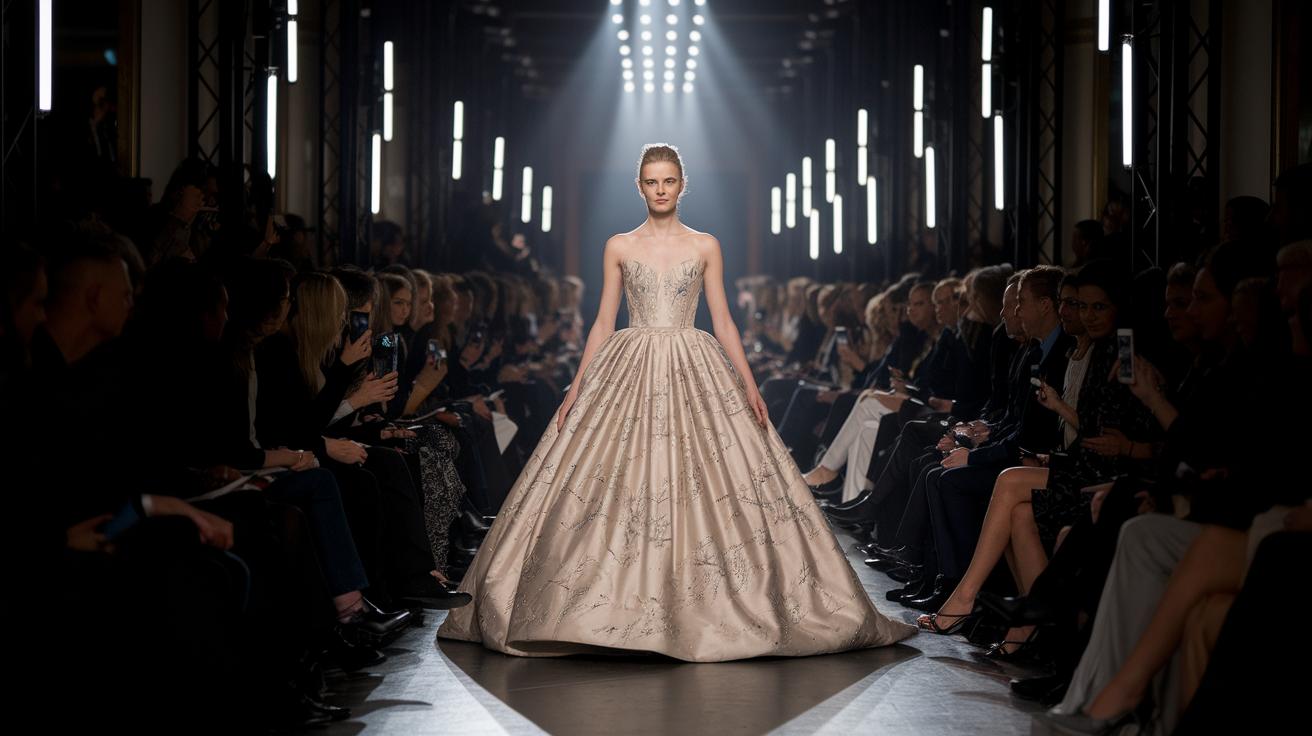
Way back in 1868, Charles Frederick Worth started the Chambre Syndicale and set the stage for groundbreaking fashion shows. He kicked off the first défilés de mode (runway shows, where models strut in style) that turned small salon parties into the first public runway events. Imagine a snug Paris room where models paraded elegant, hand-crafted clothes. It was a brave first step that laid the groundwork for Paris’s runway magic.
Then in 1910 and again in 1945, a couple of official name switches boosted the acclaimed Haute Couture label. These changes made it crystal clear that every design was exclusive and full of artistic flair. Think of it like a killer outfit change mid-show, it kept Paris’s fashion vibe eternally fresh and cool.
On November 28, 1973, the Battle of Versailles fundraiser stole the spotlight. Many now call it the first modern Paris Fashion Week event. That unforgettable night brought art and spectacle together, uniting top designers with thrilled fashion fans under one roof. Here’s a fun fact: before that night, fashion events were just for the elite, but now Paris burst onto the global stage. The event rewrote the runway rulebook and raised the bar for fashion weeks worldwide.
Today, the Fédération de la Haute Couture et de la Mode leads the city's fashion scene, handling haute couture, ready-to-wear (prêt-à-porter), and men’s shows during Paris Fashion Week. Now, fans enjoy a smooth blend of classic style and fresh innovation, with every event echoing the spirit of those early, game-changing couture runways in the heart of Paris.
Big Apple Couture Legacy: Evolution of New York Fashion Week
Back in 1943, New York rocked the scene with the very first Press Week. Designers like Claire McCardell, Hattie Carnegie, and Norman Norell lit up the runway with fresh, bold styles that made everyone stop and stare. Imagine the thrill of a crowd witnessing these groundbreaking designs for the first time, it was like stepping into a world where fashion spoke with pure, unbridled energy. That moment shifted everything and started the Big Apple couture legacy.
Then in 1945, Ruth Finley shook things up by introducing her Fashion Calendar. She turned a jumble of random shows into a well-timed parade of style. It was like organizing a string of mini-celebrations where every event had its own special beat, keeping both designers and fans in sync with the pulse of fashion.
In 1962, Eleanor Lambert stepped in with another game-changing move by founding the Council of Fashion Designers of America (CFDA). This wasn’t just about organizing events, it was a proud nod to new American talent. Picture an intimate backstage chat where emerging designers shared both challenges and wins as they built their reputations. Her move only deepened New York’s reputation as a buzzing center of creative energy.
Fast forward to 1993, when Fern Mallis gathered shows at Bryant Park under the banner "7th on Sixth." Walking through that outdoor venue felt like history and modern flair had a secret meeting. It marked a turning point that elevated the Big Apple couture legacy to fresh heights and completely transformed the modern catwalk scene in the heart of the city.
British Design Gala Roots: Emergence of London Fashion Week
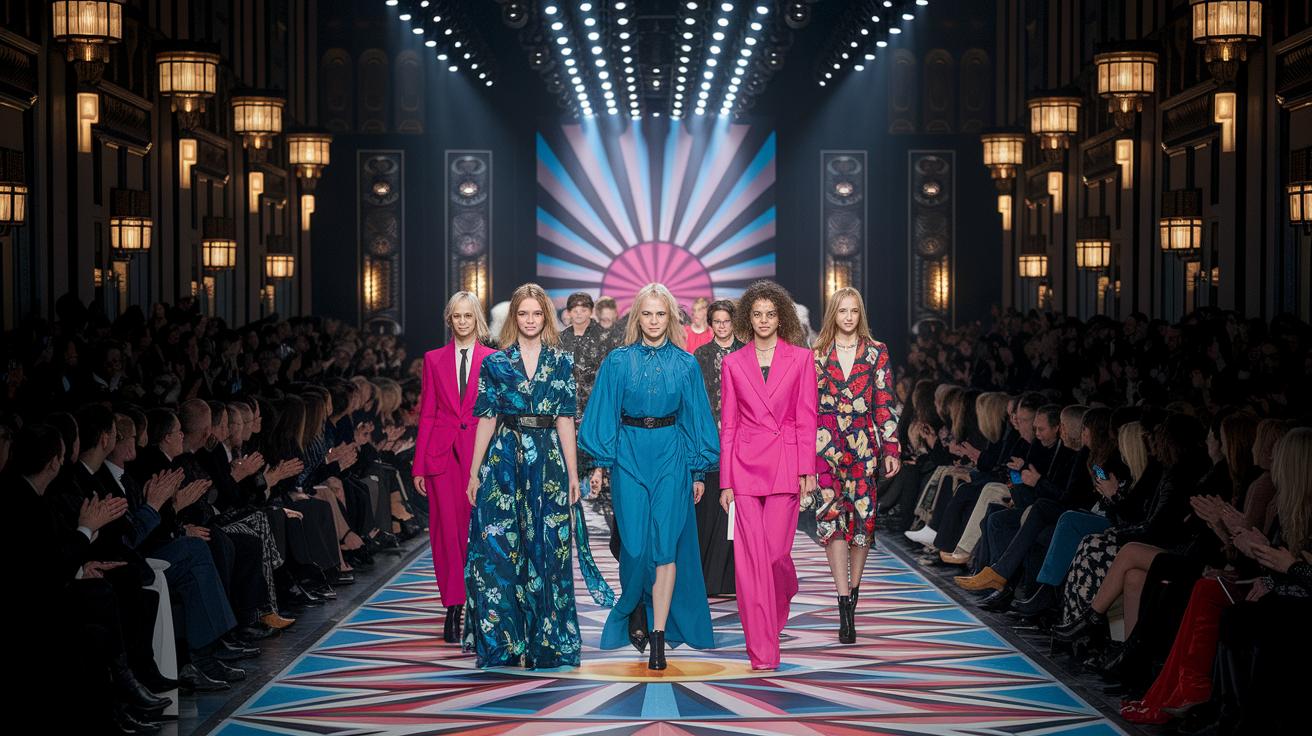
Back in 1984, the British Fashion Council kicked off London Collections at swanky spots like The Ritz. It was a bold new start for the city, mixing timeless elegance with a fresh, retro vibe. Imagine walking into a grand hotel where modern cuts play off classic decor – it felt both daring and classy. That first show quickly put London on the map as a place where creative ideas shined and fashion lovers everywhere got buzzing.
Early on, the organizers loved to shake things up. They even turned a Kensington car park near the Commonwealth Institute into a makeshift runway. Picture a parking lot transformed into a stage full of daring design and creative spirit. Events like Percy Savage’s “The New Wave” series stripped fashion down to its raw energy, turning heads and sparking lively chats among trendsetters. This kind of bold move really boosted London’s creative reputation.
Then between 1993 and 1995, a wave of fresh talent changed the game. Trailblazers like Alexander McQueen and Stella McCartney brought in a new energy with innovative, rebellious designs. Their collections broke the old rules while telling bold stories on the runway. It was like a spark that turned fashion shows into platforms for authentic expression. This creative burst firmly established London as a powerhouse in the fashion world and set a historic trend that still influences global style today.
Italian Style Show Archive: Rise of Milan Fashion Week
Back in 1951, the enchanting vibes of Florence set the scene at Palazzo Pitti for some truly groundbreaking runway shows, all thanks to Giovanni Battista Giorgini. Big names like Emilio Pucci and the Fontana sisters rocked the stage with designs that were daring and stunning at the same time. Picture an old palace buzzing with life, where each cloak and gown told its own tale of passion and creativity – a style that still turns heads today.
By 1958, global excitement changed Italy’s fashion story. The Camera Nazionale della Moda Italiana stepped up and shifted the spotlight from Florence to a lively Milan. Think of it like passing a baton in a relay race – Milan grabbed it and ran with an energy that was pure magic. This move transformed runway shows into massive citywide events that dazzled audiences and set fresh standards in fashion.
Today, Milan Fashion Week is a cool blend of scheduled events and spur-of-the-moment luxury-house presentations. It’s like watching a perfectly choreographed dance where classic order meets creative spontaneity. Established designers and fresh talent share the stage, creating a scene that’s both exciting and full of surprises, keeping all of us inspired and on our toes.
Timeline of Iconic Style Presentations Across Major Capitals
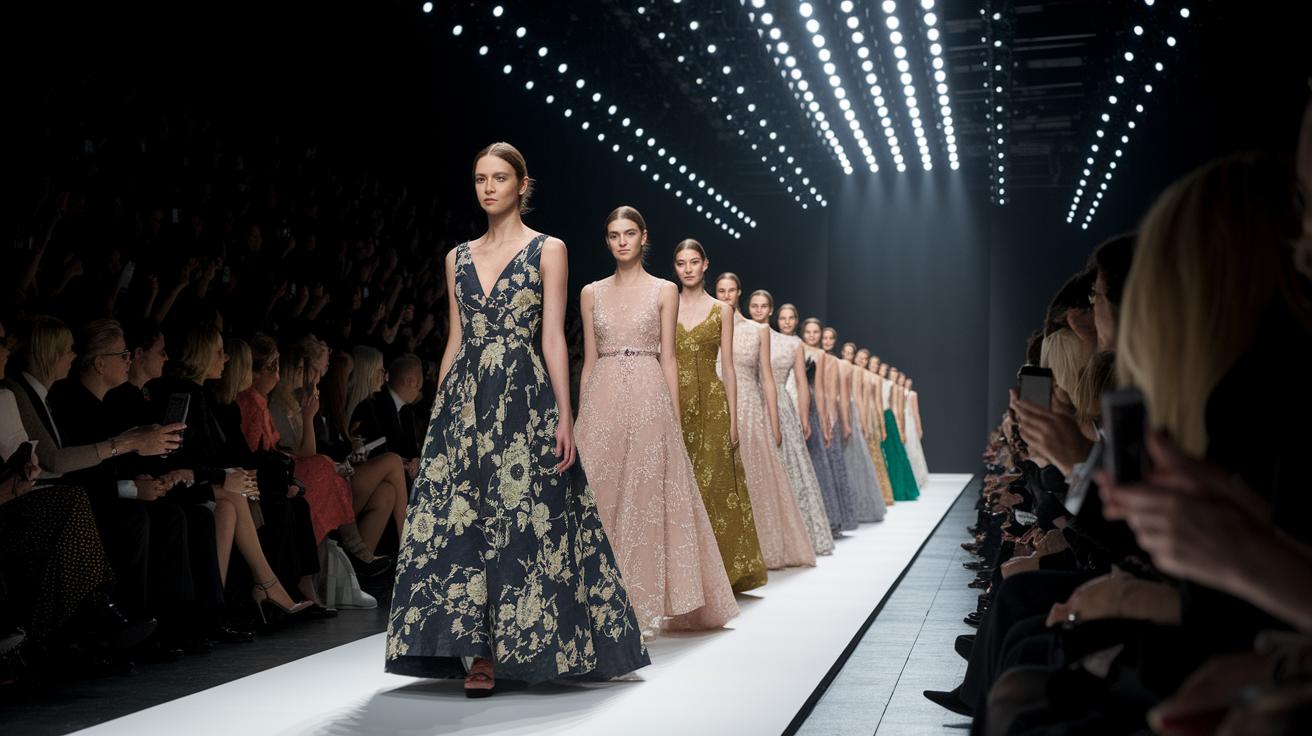
This quick-reference timeline is a handy guide that sums up the major style milestones we talked about earlier. It shows you how different cities have left their mark on the runway world. Think of Worth’s 1858 salon show in Paris, it wasn’t just an event; it was an introduction to the professional runway that sparked modern luxury vibes.
Next, compare these key moments: New York’s 1903 event broke the mold by making fashion open to everyone, instead of keeping it under wraps. Then, the 1943 Press Week seamlessly mixed fashion with the energy of the media, setting up a coordinated runway schedule for the U.S.
And who can forget the dramatic flair of Paris in 1973? The Battle of Versailles was more than just a show, it reimagined the entire runway scene by merging pure glamour with bold innovation.
| Year | City | Event | Significance |
|---|---|---|---|
| 1858 | Paris | Worth Salon Show | First professional runway display |
| 1903 | New York | Ehrich Brothers Show | America’s first public fashion event |
| 1943 | New York | Press Week | Debut of a coordinated U.S. runway calendar |
| 1958 | Florence/Milan | Giorgini & Camera Nazionale | Italy’s inaugural showcases |
| 1973 | Paris | Battle of Versailles | First modern Paris Fashion Week spectacle |
| 1984 | London | London Collections | Official launch of London Fashion Week |
Transformation of Presentation Formats: From Salon Shows to Digital Spectacles
Back in the 1940s, cozy salon gatherings slowly evolved into planned Press Week calendars. Designers shifted from small, invite-only events to shows laid out like scenes in a cool play. Imagine every event becoming a mini performance, setting the stage for more dramatic public displays.
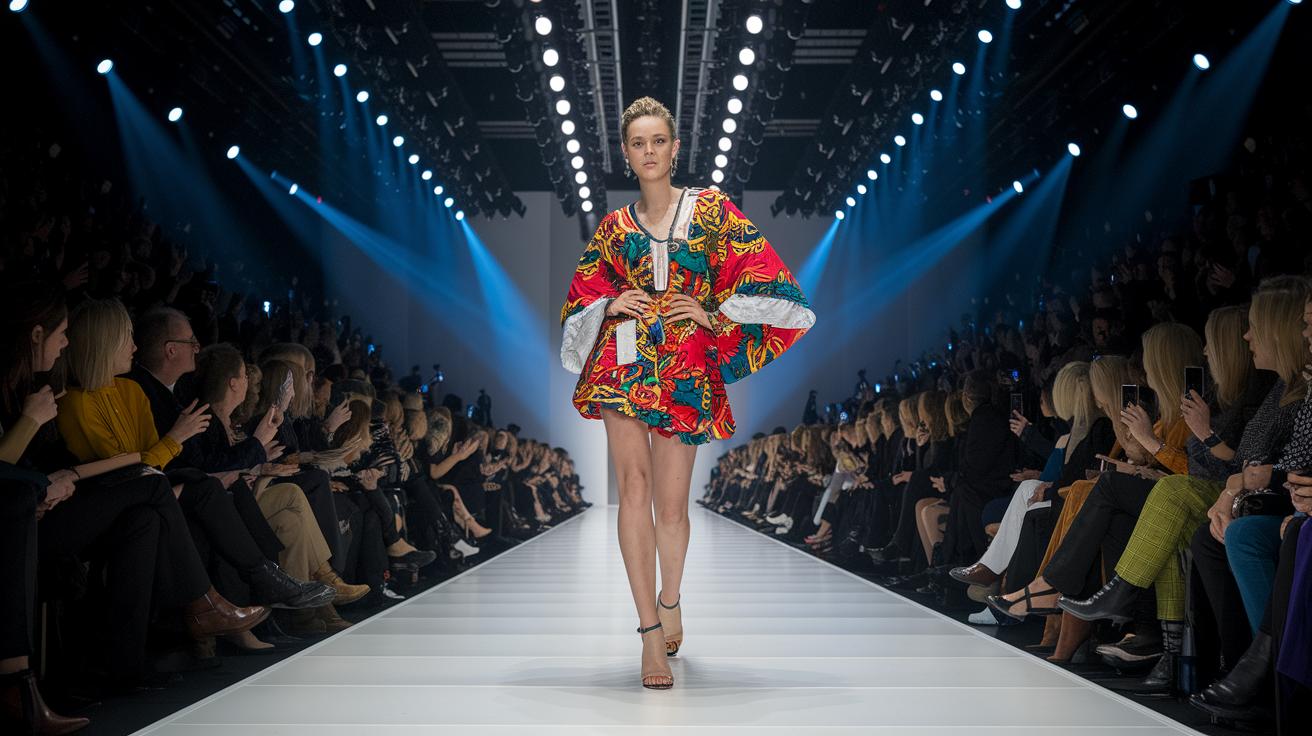
By the 1960s, fashion shows got even more theatrical. Runways turned into lively stages complete with bright lights, front-row seats, and well-marked walkways. It felt a bit like being at a live concert, where every spotlight and seat added to the buzz of creativity. Ever felt that thrill of watching something perfectly choreographed?
- The change from intimate salon presentations to planned Press Week schedules
- Moving from indoor runway halls to unexpected outdoor or non-traditional spots
- Shifting one-designer shows into bustling, citywide lineups
- Introducing theatrical details like special lighting and creative staging setups
- Embracing live streaming and virtual showcases to reach more fans
By the 2010s, digital innovation really stole the spotlight. Live streaming and virtual events let people from all over the world catch the excitement in real time. Picture yourself watching a high-energy runway show from your living room, feeling every moment like you were right there. This shift from physical venues to digital platforms has reshaped fashion, keeping it fresh and endlessly captivating.
Final Words
In the action, this post took us on an incredible ride from the first salon shows in Paris to dynamic runway spectacles in New York, London, and Milan. We uncovered how early styled event legacies evolved into the dazzling presentations we cheer on today. The story of fashion week history shines through each era, from Worth’s pioneering displays to innovative format shifts and digital live streams. Every step highlights how the spark of early ideas lit up today’s global stages, leaving us excited for what comes next.
FAQ
Frequently Asked Questions
What is Fashion Week?
Fashion Week signifies a series of events where designers showcase new collections on the runway. It’s a lively, organized platform that attracts media, celebrities, and style aficionados worldwide.
What is the timeline and key facts of Fashion Week history?
Fashion Week history signifies a journey starting with Charles Worth’s first salon show in Paris (1858), evolving through private couture viewings and public events like New York’s debut in 1903, to today’s global runways.
What is the history of Paris Fashion Week?
Paris Fashion Week history signifies the evolution from early salon shows by Worth to iconic events like the Battle of Versailles in 1973, ultimately evolving into a hallmark of haute couture and ready-to-wear trends.
What is expected from Fashion Week 2025?
Fashion Week 2025 signifies an exciting future with fresh collections and innovative presentation formats that blend traditional runway shows with digital streaming and modern creative trends for a global audience.
How many Fashion Weeks are there in a year?
The term signifies that there are several Fashion Weeks every year, including the Big Four—New York, London, Milan, and Paris—alongside other regional events that contribute to a diverse, year-round style calendar.
What defines New York Fashion Week?
New York Fashion Week signifies a dynamic showcase that began with Press Week in 1943 and has grown into a celebrated event featuring a mix of established and emerging American designers in a highly publicized, energetic setting.
What does “Fashion Weeks around the world” refer to?
Fashion Weeks around the world signify a global network of events in cities like Paris, Milan, New York, London, and others, each contributing regional flair and innovative design to the international fashion scene.
Who is considered the founder of Fashion Week?
The founder of Fashion Week signifies Charles Frederick Worth, credited with launching the first professional salon show in Paris in 1858, which laid the foundation for modern runway events and public fashion exhibitions.
What are the 4 major Fashion Weeks?
The four major Fashion Weeks signify the prominent shows in New York, London, Milan, and Paris, where each event plays a leading role in shaping global trends and setting the pace for the fashion industry.
Which city hosted the first ever professional Fashion Week?
Paris hosted the first ever professional Fashion Week, where Charles Worth introduced a structured salon show in 1858 that set the stage for the evolution of modern runway presentations.
What is the brief history of fashion?
The brief history of fashion signifies a transformation from exclusive salon shows in 19th-century Paris to public runway events in New York, marking a longstanding evolution in design and style expression.
How does Australian Fashion Week fit into the global scene?
Australian Fashion Week signifies a key regional event that showcases innovative local designs while contributing its unique creative flair to the broader, global conversation in fashion.
What is the Met Gala’s role in the fashion world?
The Met Gala signifies a star-studded fundraising event blending fashion and celebrity culture, where extravagant themes and high-profile guest attire spotlight the creative evolution of costume history.