
Ever notice how some athletes bounce back faster than others? It's all about a mix of solid strength, smart recovery moves, and a positive outlook.
Think of it like piecing together a fun puzzle, where every part, age, fitness, rest, and mental drive, matters. Picture a runner finding their stride again after a tough day or a fighter regaining their spark after a long break.
In this article, we'll share the inside scoop on what changes a setback into an impressive comeback. So, ready to discover how these tips can boost your recovery on and off the field?
Essential Factors Influencing Athlete Comebacks
Athletes bouncing back need both strong bodies and strong minds. Think of it like this: even top stars see a break as a chance to reset and build up again. Age and basic fitness help decide how fast the body responds to new workout tweaks, while how long you’ve been out and the sport’s unique challenges set the stage for what to expect.
Ever felt that sting when you’re rejected? It can actually light up pain signals in your brain, much like a real injury would. So, treating yourself with the same kindness you’d offer a buddy isn’t just comforting, it fuels the fight back. Remember when Ed Clancy said to be kind? He was really nudging us to see our potential even after a fall.
- Age & fitness
- Layoff length
- Sport requirements
- Mindset
- Support
Putting all these pieces together means seeing that every bit plays off the others. A younger athlete with a solid fitness base might bounce back faster, but without the right mindset or backup, progress can still stall. On the flip side, building a little resilience through self-compassion and a fearless, almost child-like approach can turn setbacks into stepping stones. At the end of the day, success is about setting goals that match where you are now, taking small steps to improve physically, and keeping that fighting spirit alive even when the challenges feel huge.
Physical Rehabilitation and Conditioning in Comeback Phases


Recovering from an injury or setback is like planning a steady comeback. When you follow a clear game plan, you tackle everything from pain and swelling to rebuilding your muscle power. It starts with gentle exercises and moves toward sport-specific drills designed just for you. Think of it as easing back into your groove while getting stronger every day.
| Phase Name | Duration | Primary Objective |
|---|---|---|
| Acute Recovery | 0–2 weeks | Pain & inflammation control |
| Strength Rebuilding | 3–6 weeks | Muscle activation & load progression |
| Performance Tuning | 7–12 weeks | Sport-specific power & agility |
When it’s time to shift gears between phases, listening to your body is key. Take it step by step with workouts that match where you are right now, and soon you'll be testing out more advanced drills. Stick with your plan and add in some prevention moves to keep setbacks at bay. Before you know it, you'll be stepping into your next phase, ready to reclaim your peak performance.
Psychological Drivers Shaping Successful Athlete Comebacks
Cultivating Self-Compassion and Motivation
Sometimes, facing rejection can feel like a real punch in the gut, and athletes know that treating themselves with kindness is key. Ed Clancy reminds us to be as gentle with ourselves as we would be with a best friend, imagine receiving a warm, supportive pep talk when you need it most. Bob Ragland’s advice to “Learn to eat rejection” (basically, use those hard knocks as fuel) encourages athletes to take each setback as a lesson, not a defeat. Picture someone saying, "Hey, you’ve got what it takes, be kind to yourself and let that kindness spark your comeback." It’s all about finding that balance where even heart-wrenching losses turn into secret ingredients for a fiery return, one little victory at a time.
Mental Agility and Fearless Performance Drills
Building mental sharpness is just as important as working out physically. Many athletes use visualization exercises, kind of like running through a movie scene in your head, to stay cool under pressure. Imagine an athlete rehearsing different scenarios, ready to react smoothly no matter what curveball comes their way. These mental drills, much like a workout for the brain, boost focus and help foster a fearless, almost childlike, readiness. Practices like deep breathing (a real lifesaver when things get intense) ground you in the moment, allowing you to tap into a calm zone even amidst chaos. And when athletes trust their gut with quick, reactive decisions, they build a rock-solid mind that turns every setback into a chance for a fearless, focused comeback.
Adaptive Training Methods for Reviving Competitive Performance
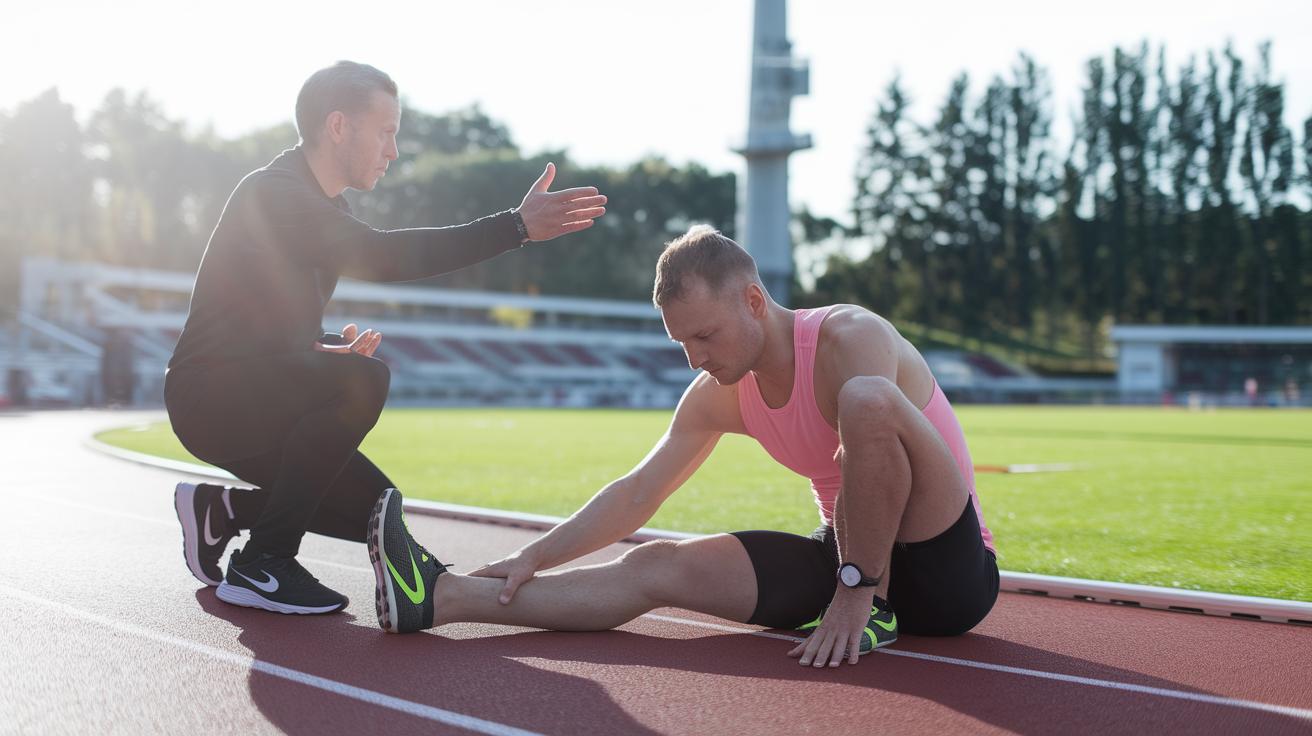
When athletes make a comeback, they need to switch up their training game. Instead of sticking to the same old, generic workouts, it's time to mix in drills that really fit their sport. You can think of it like tuning up a race car, every little tweak boosts speed and reliability on the track. This means working on strengths and patching up weak spots while cutting back on the risk of getting hurt again.
As recovery moves forward, training methods naturally change too. Many athletes now follow a pattern where they mix bursts of high-intensity exercise with active recovery periods. It’s like giving your body a breather so you don’t burn out and can build lasting stamina. And to keep things fresh, many add cross-training routines, like pool running if you're into lower-limb sports, to build endurance without stressing vulnerable parts. New endurance tricks, such as training in warmer conditions or using low-oxygen sessions, add a fun twist to the usual practice, making each session a little different.
A few practical ideas include putting together a plan that balances strength, mobility, agility, and endurance. Picture your training schedule as a puzzle where every piece, whether it's a sprint drill or a yoga break, contributes to the bigger picture. Athletes should try different workouts and really listen to their bodies, making sure that each session nudges them closer to peak performance.
Strategic Planning and Support Networks in Athlete Comebacks
A strong comeback isn’t just about talent, it starts with a clear plan and a great connection between the athlete and their coach. When they click, it’s like setting up checkpoints on a race; each practice session or quick coach feedback becomes a moment to adjust the strategy. Plus, athletes team up with experts like physiotherapists, sport psychologists, nutritionists, and even teammates who each add their own special insight, like a nutritionist helping craft a balanced diet or a sport psychologist keeping the spirit tough. It's like having a pit crew at your side, ready to fine-tune every little detail.
Then there’s the boost from formal mentoring programs and proven return-to-play plans. Athletes often pair up with mentors who’ve been through it all, sharing real tips on overcoming challenges. A mentor might offer advice on changing up training routines after a setback or setting clear, bite-sized goals for a smooth return to the game. With these structured steps, from easing back into training to competing live, every member of the support network helps turn a setback into an epic comeback.
Measuring Progress and Ensuring Sustainable Comeback Success

Tracking how you're doing is key to an athlete's strong return. Athletes watch things like strength levels, how far they can move, and even special fitness scores like VO₂ max (a measure of how well your body uses oxygen) to see how each phase of their comeback is working. With handy gadgets like GPS and heart-rate monitors keeping tabs on everything, they can adjust their workouts on the fly. Imagine a runner checking his VO₂ max after a few weeks of hard interval training, it’s proof his endurance is steadily growing.
Coaches and athletes dig into that data to get a quick look at recovery progress. They regularly review the numbers to fine-tune rehab plans and tweak training routines. Sometimes this means changing how hard they work, adding extra recovery drills, or even trying new exercise routines to match their current level. Picture an athlete looking at his movement range and tweaking his stretches to ease up tight muscles before a big event. These small, measurable changes build the foundation for a steady comeback.
For a lasting return to top form, athletes focus on boosting endurance and keeping a balanced workout routine. They mix in lighter training weeks, make small diet adjustments, and pay attention to getting good sleep to avoid burnout. Keeping an eye on these factors along with data from wearables creates a solid plan that tracks real progress and meets long-term performance goals. This careful approach helps athletes stay ready to face any competitive challenge with real confidence and energy.
Final Words
In the action, we explored how physical healing, mental toughness, adaptive training, and support can shape a winning return. From careful injury healing protocols to embracing a fearless attitude, each piece plays a key role in making progress.
Every element works together, proving that the factors influencing athlete comebacks are not just about recovery but about building a stronger, more resilient future. The journey ahead is filled with promise and a fresh bounce-back vibe.
FAQ
What factors influence athlete comebacks in 2022, including performance and recovery?
The comeback is shaped by age, baseline fitness, layoff duration, sport demands, mental resilience, and strong support networks.
How does momentum play a role in sports, with examples from biomechanics?
Momentum influences performance by driving energy transfer during quick movements, evident in sprint starts and dynamic shifts that boost power on the field.
How does Google Scholar support research on athlete comebacks?
Google Scholar offers access to academic studies that back up training strategies, recovery protocols, and mental approaches, making it a valuable research tool.
What is the psychology of a comeback for athletes?
The psychology of a comeback centers on building resilience, using self-compassion, maintaining a fearless mindset, and learning to meet rejection with renewed determination.
Which factors should be considered when deciding to return an injured athlete to competition?
The decision involves assessing rehab progress, readiness for sport-specific demands, physical recovery, pain levels, and the athlete’s mental confidence.