













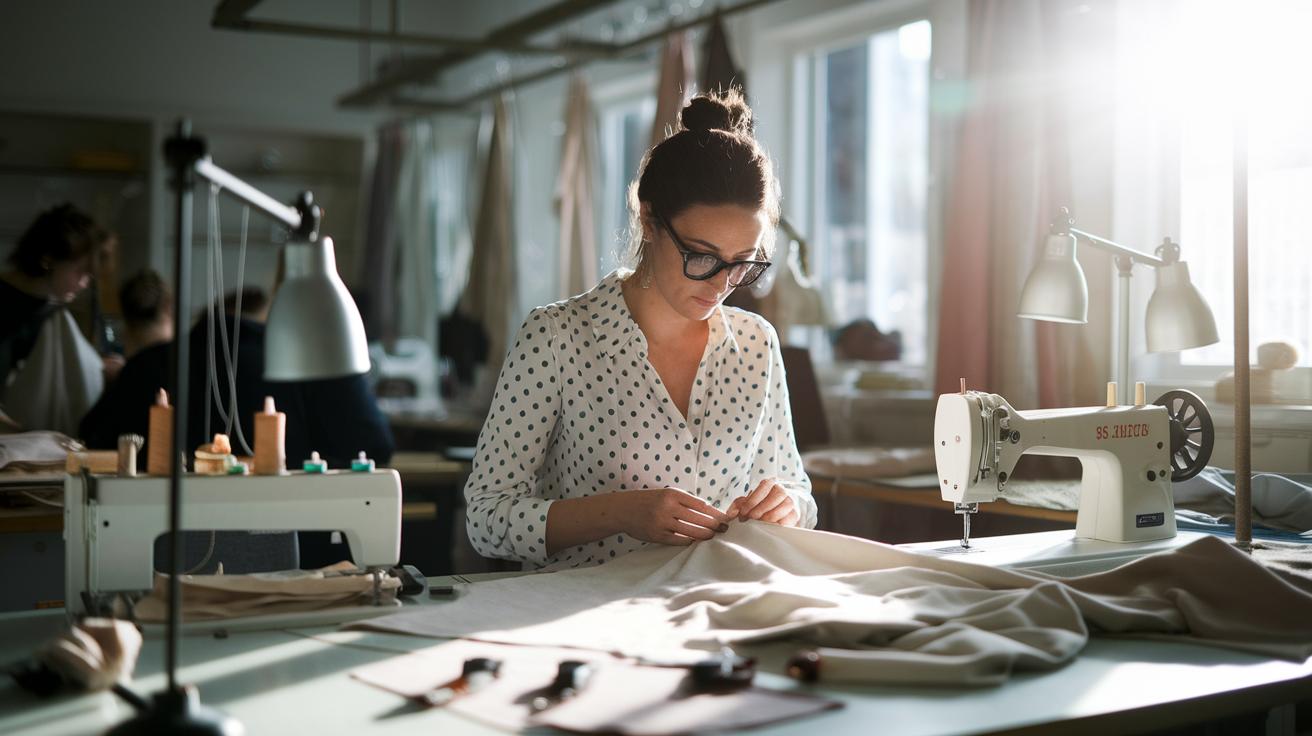
Ever wondered how couture sewing turns fabric into pure luxury? Picture each stitch as a little work of art that makes every outfit feel special and one-of-a-kind.
The magic lies in mixing smart pattern planning with gentle, hand-finished touches. These tricks, perfected in cozy workshops in Paris, help transform ordinary fabric into high-end style. In this post, you'll uncover eight key methods that change basic materials into custom-made looks that truly pop.
Essential Couture Sewing Techniques for Luxury Garments
Couture sewing is all about paying attention to every little detail and getting that perfect, high-end finish. It’s like creating a personal piece of art where every stitch counts, giving each garment a custom-made, luxurious feel. Imagine learning these skills at intimate workshops, from Paris tours to March classes, where you pick up both the basics and the fancy, advanced techniques that really set your work apart.
Here are eight must-know techniques for anyone dreaming of making luxury garments:
- Creating muslins for a perfect fit – Start with a test garment to adjust the shape before you cut into those expensive fabrics.
- Precise fabric marking – Use clear, easy marks to guide every cut and stitch so nothing goes amiss.
- Sew-in interfacing for structure – Add extra layers to your fabric that help shape and support the design.
- Couture hand stitches – Master delicate hand stitching to hide seams and keep things looking seamless.
- Hand-picked zipper insertion – Choose your zippers carefully and insert them so they blend beautifully with your design.
- Underlining for delicate fabrics – Slip in a hidden layer to bolster fragile fabrics and enhance your garment’s form.
- Hand-finished seams – Tidy up your work with hands-on finishing like French seams or hand-overcast edges for that elegant inner detail.
- Faced hem applications – Wrap up your design with neatly finished edges that speak of refined craftsmanship.
These techniques let you turn simple materials into stunning pieces of art, where every stitch is a nod to luxury and impeccable construction.
Precision Pattern Drafting and Bespoke Design in Couture Sewing

Bespoke patterns are the key to crafting clothes that flatter your unique shape and radiate luxury. When you master the basics of pattern drafting and grading, you're not just sewing, you’re shaping wearable art with every thoughtful measure.
- Draft a toile block from your body measurements – Begin by gathering precise body measurements to create a basic sample that forms the foundation of your design.
- Grade the pattern for multiple sizes – Follow simple grading steps to scale your design with ease, ensuring each piece looks consistent and well-crafted.
- Mark notches, grainlines, and seam allowances – These helpful guides point out where to cut your fabric and sew it together, keeping every part aligned with your vision.
- Use slash-and-spread and pivot techniques to modify the silhouette – Tweak your pattern to carve out a personal silhouette that mirrors your creative flair.
- Fit a muslin sample to test the design – Sew a trial garment using inexpensive fabric so you can check the fit and adjust as needed.
- Make final pattern adjustments – Rely on hands-on tips from couture workshops to fine-tune every detail until your design is just right.
Working on patterns can be a fun yet precise process, but it does come with its share of challenges. Small mis-measurements or overlooked markers can disrupt the whole draft. Always compare your work with a trusted toile sample and be ready to take new measurements if the design doesn’t feel right. Many expert sewists even suggest taking a break during the drafting process to catch any tiny mistakes before they become a bigger problem. Embrace these tips with patience and a spirit of experimentation, and soon you’ll create silhouettes that not only meet couture standards but truly stand out.
Luxury Fabric Selection and Handling for Couture Sewing
When you're putting together couture creations, fabrics are everything. They set the vibe with their textures and way of moving. Think of silk for its natural shine, satin for a smooth, rich feel, and organza for that delicate crispness that makes any look stand out. Wool crepe and chiffon bring a cool twist with their fancy drape and graceful movement, turning everyday pieces into bold fashion statements. I once took a trip to Paris and saw firsthand how expert layering and draping can transform these materials, an experience you'll never forget.
Taking care of these high-end fabrics is key. Here are some insider tips:
- Use a lightweight backing to keep slippery fabrics in place and add precise pattern markings.
- Pin only a little bit to avoid messing up the fabric as you cut.
- Rely on fine-point scissors for clean edges that help stop fraying.
- Mark accurately with tailor’s chalk without damaging the surface.
- Secure your layers with silk pins so the fabric can flow naturally.
Finding top-quality textiles is essential in achieving that luxe finish. Look for trusted suppliers who specialize in high-end materials like silk, satin, organza, wool crepe, and chiffon. This ensures each fabric meets both your creative dreams and the precise standards that couture sewing demands.
Hand Stitching Mastery and Seam Finishing in Couture Garments

Hand stitching is the core of elegant couture, the secret sauce that turns good designs into conversation-starters. When you mix in refined techniques like adjusting your hand pressure and using double French seams, your creations go from lovely to show-stopping. Instead of sticking with the basics, why not try these pro tips and upgrade your workflow?
| Technique | Primary Use |
|---|---|
| Catch Stitch | Gathers fabric edges subtly (try varying tension for a textured finish) |
| Slip Stitch | Creates invisible hems (ideal for discreet lining work) |
| Backstitch | Builds robust seams (use extra reinforcement around stress points) |
| French Seam | Encases raw edges neatly (consider a double French seam for fine fabrics) |
| Flat-felled Seam | Delivers clean lines (enhance durability on structured pieces) |
| Hand-Overcast | Prevents fraying (secure delicate materials with careful overcasting) |
| Ribbon Binding | Adds a decorative edge (offers both style and extra stability) |
| Blind Stitch | Creates nearly invisible hems (a smart choice on specialty fabrics) |
Take your time to test out your stitch pressure and speed on small fabric pieces. A seasoned tailor once shared, "When I slow my stitch speed on silk, the finish gets a subtle, textured vibe that really shows off the artistry." Try it for yourself and see how a little change can bring a whole new level of charm to your work.
Couture Sewing Radiates Luxe Mastery
Starting with a basic toile sets the stage for a perfect fit and an effortlessly stylish garment. Think of it as your very first blueprint, a simple model to check and refine darts, side seams, and shoulder lines. Inspired by insights from a March couture workshop, this hands-on step lays down the foundation for custom seam allowances and precise tailoring.
- Mark the key points on the toile using your measurements.
- Pin the fabric carefully to secure these marks.
- Tweak the darts, side seams, and shoulder lines to perfect the shape.
- Try the toile on again to make sure every adjustment hits the mark.
Following this fitting routine gives you a clear picture of both the small tweaks and big changes needed. Plus, it’s eco-friendly! Reusing muslin scraps to create sustainable toiles not only cuts down on waste but also sharpens your sewing skills. This blend of exact adjustments and green practices makes sure every garment fits just right while keeping the highest standards of couture tailoring alive. In the end, you transform a simple toile into a work of art that truly captures the soul of couture sewing.
Specialty Embellishments and Finishing Touches for Couture
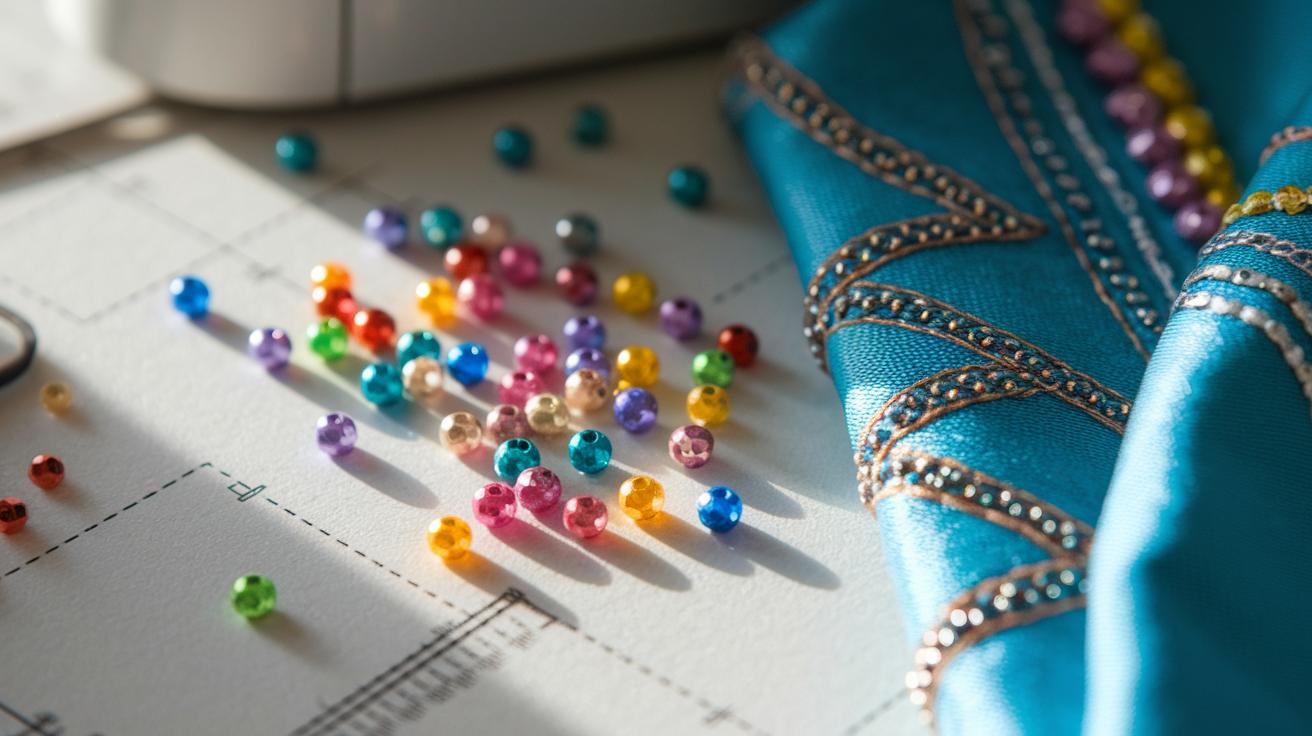
Embellishments add a special magic that turns a lovely design into true couture art. They bring an extra layer of flair and show off your personal style with careful attention to every little detail. Backstage tips from Sewist Spotlights and Pattern Reviews tell us that just the right accessory or detail can change plain fabrics into a dazzling, creative masterpiece.
- Hand-applied beading and sequins – Choose bright, high-quality beads and shimmering sequins that catch the light and add a burst of sparkle.
- Embroidery placement and motif selection – Decide on bold or gentle designs using fine embroidery thread and simple fabric markers to tell your garment’s unique story.
- Crafting custom buttons from fabric and metal shanks – Combine bits of fabric with metal parts to create one-of-a-kind buttons that bring a tailored, stylish touch.
- Incorporating belts and accessories as couture accents – Try adding leather or ribbon belts with decorative buckles for an instantly elevated and chic look.
- Integrating fabric patches and trims – Use matching or contrasting patches along with metallic trims to add an unexpected twist to your design.
Balancing these touches with a thoughtful overall look is key to achieving a perfectly harmonious couture finish.
Top Couture Sewing Workshops, Tutorials, and Resources
Have you ever wondered how to boost your sewing skills? Picking the right resource can be a game-changer. You can explore fun video guides, hands-on workshop sessions, and even get expert tips from seasoned pros. Whether you're learning muslin fitting in The Couture Dress or perfecting hand stitches with Couture Finishing Techniques, each guide offers clear steps and hands-on tips to help you sew like a professional.
Susan Khalje's workshop has really inspired many sewists, and if you're into diving deeper, check out the Book Review: Couture Sewing Techniques by Claire B. Shaeffer (September 17, 2018) for a close look at advanced techniques.
| Resource Name | Focus Area | Format |
|---|---|---|
| The Couture Dress | Muslin & Fit | Workshop |
| 20 Things to Know Before You Sew | Fabric Marking | Tutorial |
| Underneath It All: Guide to Interfacings, Linings and Facings | Interfacing & Linings | Manual |
| Couture Finishing Techniques | Hand Stitches & Seams | Workshop |
| The Couture Lace Skirt | Zipper Methods | Workshop |
| Sewing on the Edge: Finishing Techniques | Edge Finishing | Tutorial |
When you're ready to move forward, think about your current skill level and the specific technique you want to nail down. Whether you're just starting out or already know your way around a sewing machine, these resources mix practical tips with creative sparks that can help you achieve a luxe couture look.
Final Words
In the action, we broke down key couture sewing techniques, from creating perfect muslins and mastering hand stitches to tailoring and achieving flawless fabric finishes. We also uncovered expert pattern drafting and luxury fabric handling tips while highlighting invaluable workshops and resources. This article gave a glimpse into the art of couture sewing and its intricate details, offering a clear path for both new and skilled enthusiasts. Keep exploring with the same creativity and passion, and remember every stitch brings you closer to the elegance of true designer craftsmanship.
FAQ
What is haute couture sewing and what does it entail?
Haute couture sewing refers to the art of crafting high-end, custom garments by hand. It involves unique construction techniques, precise detailing, and personalized design for a perfect, luxurious fit.
How does a couture sewing introduction set the stage for high-level dressmaking?
A couture sewing introduction explains the basics of bespoke garment making. It covers key techniques like hand stitching and fabric handling to help you create one-of-a-kind, elegant pieces.
What do a couture sewing techniques review cover?
A couture sewing techniques review covers methods such as muslin creation, hand-finished seams, and intricate fabric marking. It highlights the refined process of turning high-quality materials into stunning designs.
How are Dior sewing techniques characterized?
Dior sewing techniques are known for their refined craftsmanship, blending luxurious fabric handling with innovative construction. This approach creates a distinct, high-fashion look with impeccable finishing touches.
What defines a couture waistband in dressmaking?
A couture waistband is a specially crafted detail that uses precise measurements and expert hand finishing. It creates a sleek, tailored finish that adds both comfort and sophisticated style to a garment.
What does couture mean in sewing?
In sewing, couture means employing exclusive, hand-finished techniques to create unique, custom-fitted garments. It emphasizes originality, meticulous detail, and superior quality in every stitch.
What is the difference between couture and tailoring in garment construction?
The difference between couture and tailoring lies in the techniques used; couture involves handcrafted details and bespoke design, while tailoring focuses on structured, form-fitting garments with more standard construction.
Why is couture sewing so expensive?
Couture sewing is expensive because it requires exceptional hand craftsmanship, exclusive materials, and countless hours of detailed work. Every garment is a personalized masterpiece that reflects high-quality artistry.