
Ever notice how even the biggest names can stumble while fresh faces rise? Blockbuster once ruled the scene, but with sky-high fees and old-school methods, they left a gap for clever new players.
Netflix and Redbox stepped in with smart pricing and easy movie rentals that felt like a breath of fresh air, changing the game completely. Their new moves not only offered better value but also sparked ideas that continue to shape how we enjoy movies today.
Curious to see how these shifts completely rewrote the rules of the rental world?
Blockbuster Competitors: Top Players Past and Present
Blockbuster kicked things off in 1985 by opening its first store in Dallas, TX, stocked with 8,000 VHS tapes and 2,000 Beta tapes. It felt like stepping into a brand-new video world. As time went on, new tech and changing habits made it clear that Blockbuster’s high late fees and ever-changing inventory rules were starting to lose their shine. New competitors saw this gap and stepped in with friendlier prices and smart new approaches that spoke directly to what movie lovers wanted.
These fresh players were all about bringing value and ease to the rental game, something Blockbuster just couldn’t match, especially after it missed out on key DVD deals. They introduced ideas like subscription plans, easy-to-access rental kiosks, and flexible franchise networks, all tailored to fit the modern viewer's lifestyle and budget. It wasn’t long before these innovations put serious pressure on Blockbuster’s old-school way of doing business.
- Netflix (1997) – Shipped DVDs by mail with no late fees, all for a flat rate
- Redbox (2002) – Offered $1 DVD rentals through handy kiosks in stores
- Hollywood Video (1988) – Grew fast through aggressive franchising
- Movie Gallery (1985) – Focused on smaller venues and niche markets
- Walmart DVD kiosks (1998) – Leveraged low prices after a big Warner Bros. deal
- Amazon Prime Video (2006) – Combined streaming perks with online shopping benefits
Each of these companies used clever pricing and smart ways to deliver movies that slowly chipped away at Blockbuster’s share of the market. Netflix and Amazon Prime Video changed the game with all-you-can-watch deals and extra perks from online shopping. Meanwhile, Redbox and Walmart served up low-cost options that really clicked with budget-minded viewers. And Hollywood Video and Movie Gallery brought a more local, intimate feel to movie renting. Together, they reshaped the home video scene into what it is today.
Evolution of Video Chain Challengers Across Eras
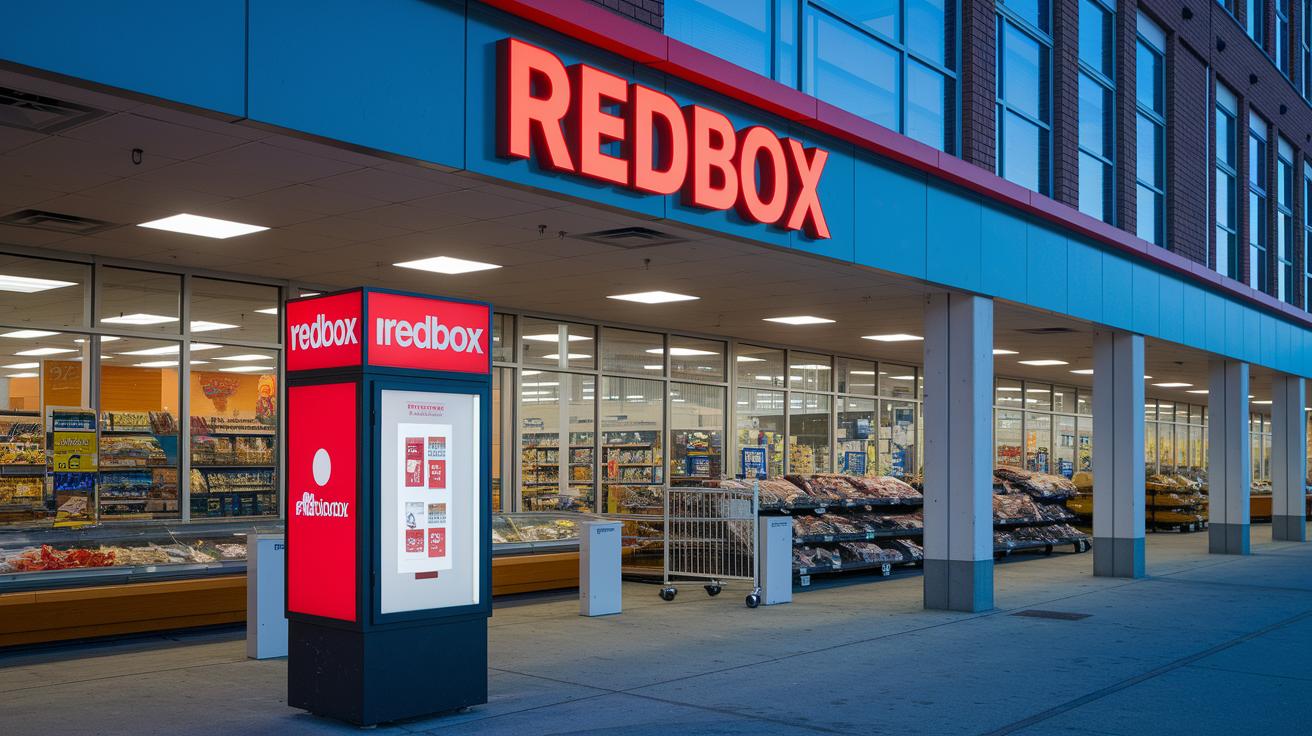

Looking at the past, it’s wild to see how each era changed home video rentals. Each period brought its own spin on the game, switching up what customers wanted, how tech worked, and how businesses did things. New rivals popped up with fresh, bold ideas that tested Blockbuster’s long-run rule, whether by really pushing local franchising early on or later riding the digital wave.
| Era | Dominant Competitors | Key Innovations |
|---|---|---|
| 1980s | Movie Gallery, Hollywood Video | Bold franchising moves and a local store charm |
| 1990s | Netflix, Blockbuster rewards program | Mail-order DVDs and customer loyalty perks |
| 2000s | Redbox, rising niche chains | Simplified flat-fee pricing, subscription services, and kiosk setups |
| 2010s | Amazon Prime Video, an upgraded Netflix | Switching to digital streaming and mixing online offers with brick-and-mortar perks |
The 2000s really flipped the script. Redbox, with its smart kiosk setup and flat-fee style, made renting easier than ever. It mixed new tech with a simple, friendly service that nudged Blockbuster’s old-school business into a corner, setting up the path for digital rentals that we see today.
Digital Streaming Impact on Blockbuster Competitors
Streaming started to change the way we watch movies as faster internet made it possible to watch shows on our own time. People loved the freedom of choosing their favorite films or series with just a click. This shift pushed companies to bring content online in a way that was simple and ready to enjoy.
With the rise of streaming, viewers began to experience a smoother, quicker way to dive into entertainment without dealing with DVDs or physical media. Better internet speeds and improved digital devices meant that hitting play felt as easy as snapping your fingers. It’s a big leap from the old days of visiting rental stores.
- Netflix (2007) – Launched its online service when fast broadband became common, making on-demand viewing a household habit.
- Hulu (2008) – Brought a new way to watch current TV shows online with almost no delay.
- Amazon Prime Video – Grew quickly by bundling streaming with Prime memberships, serving up a mix of content.
- Disney+ (2019) – Arrived with a huge library of family favorites and exclusive originals.
- Emerging ad-supported services – Offered free or low-cost streaming while using ads to support the content.
Blockbuster’s slow shift to digital was a big setback. While its competitors embraced new technology and changed with viewer habits, Blockbuster stuck with its old DVD model. This delay cost them dearly, as digital platforms delivered a smarter, more convenient viewing experience.
The fast move to streaming completely reshaped the market. It reminds us that staying ahead means being quick to adapt and innovate. Have you ever noticed how fast changes can turn an industry upside down? This story highlights just how crucial it is to keep up with the wave of innovation in today’s world of entertainment.
Competitive Strategies Among Blockbuster and Rival Services
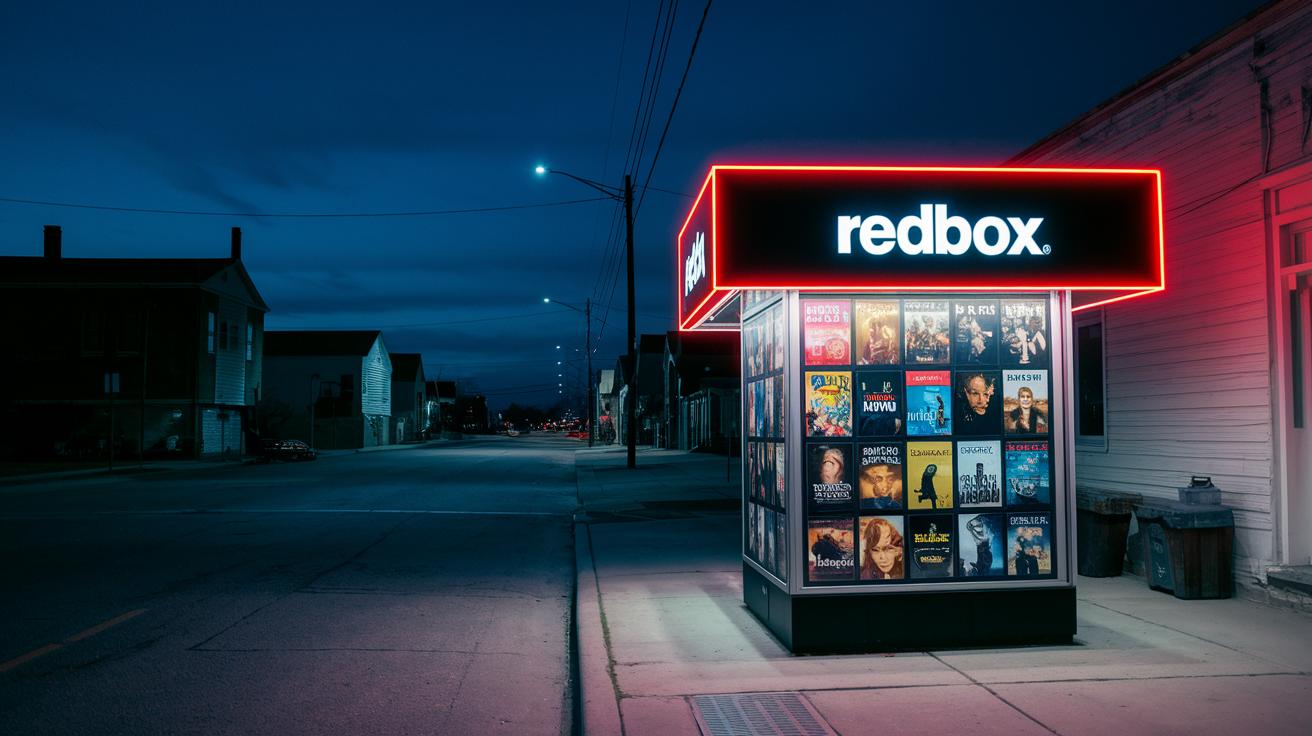
When you look at market moves, you'll see how each competitor changed customer habits long after the first big shift. It turns out these smart strategies didn’t just challenge Blockbuster in the moment, they set new standards for how people shop and what they expect to pay.
- Subscription without late fees: Built trust by getting rid of unexpected charges.
- Kiosk distribution: Created a quick, self-service way to rent movies that pushed prices lower.
- Retail bundling: Mixed DVD rentals into everyday shopping, changing how folks compared costs.
- Loyalty programs: Encouraged repeat rentals with rewards, slowly shifting long-term habits.
Subscription and No-Late-Fee Model
Netflix’s flat fee meant no extra charges, making it simple for customers to plan their monthly entertainment budget. Ever notice how a magazine subscription feels straightforward? That’s exactly what happened here.
Kiosk and DVD Vending Innovation
Redbox set up ready-to-go kiosks that made grabbing a DVD fast and easy. Many users said they started their movie nights on a whim, simply because a kiosk was right around the corner instead of waiting to visit a store.
Retail Power and Price Leadership
Walmart bundled DVDs with everyday items, which nudged shoppers to grab an impulse rental rather than plan a trip to a video store. This clever move made many rethink what really mattered when hunting for movie value.
Late Entry to Online Rentals
Blockbuster’s leap into online rentals came too late. By then, customers had already switched to quicker, simpler options, turning Blockbuster’s move into a clear lesson on the importance of timing in the market.
Lessons from Blockbuster’s Store Closures and Market Shifts
Blockbuster’s decline paints a vivid picture of a giant losing its shine. Once a home for countless movie nights, its last Alaskan outlets closed in 2018, signaling the end of a traditional rental era. Back in the early 2000s, Blockbuster was riding high on big revenues, but things slowly changed as digital rivals started taking center stage.
Over in Bend, Oregon, one Blockbuster store has taken on a new role. It’s no longer just an old video rental spot, it’s become a cultural hangout that hosts fun 90s-themed sleepovers, even during the COVID-19 days. This quirky revival reminds us that even when things go wrong, a legacy can live on in our collective memories.
- Timely adoption of technology
- Consistent policy enforcement
- Data-driven customer retention
- Proactive model diversification
These lessons in bouncing back have not gone unnoticed by others. Competitors like Netflix, Redbox, and Amazon picked up on the cues early. Netflix jumped into streaming without the hassle of late fees, adapting quickly to new tech trends. Redbox kept it simple with self-service kiosks that made rentals a breeze, and Amazon blended streaming with e-commerce to keep customers hooked. Their smart moves show that quick decisions and a customer-first mindset can keep you ahead in today’s fast-changing media world.
Future Outlook of Media Competition Beyond Blockbuster

Digital trends are changing the way we watch our favorite shows and movies. With faster internet and more people glued to their mobile devices, on-demand viewing is now part of our everyday routine. New platforms are stepping in, giving us fresh ways to enjoy content while shaking up old models.
The scene is set for a bunch of new, disruptive players. As our digital habits change, companies are diving into interactive and immersive experiences that speak to all kinds of tastes. It’s like the entertainment world is getting a complete remix!
| Innovative Offerings |
|---|
| ad-supported free streaming |
| micro-niche content services |
| live interactive platforms |
| VR/AR on-demand |
| gaming-entertainment bundles |
Looking ahead, the fall of Blockbuster teaches us a key lesson: staying on the cutting edge and really getting what viewers enjoy is essential. New contenders can learn from past mistakes by blending smart tech moves with a keen sense of what people today are looking for.
Final Words
in the action, we raced through the twists of Blockbuster’s legacy and its formidable rivals. We explored bold moves from key players, saw era-spanning innovations, and uncovered smart plays that reshaped the video rental scene. Each part revealed how shifting strategies gave our blockbuster competitors a fresh edge in a changing market. Small details and behind-the-scenes insights made the story feel real and exciting. The future of entertainment sparkles with promise, and every new chapter keeps our passion for pop culture alive.
FAQ
Who were Blockbuster’s major competitors?
The major competitors for Blockbuster included Netflix, Redbox, Hollywood Video, Movie Gallery, Walmart DVD kiosks, and Amazon Prime Video. Each offered a distinct rental model that challenged Blockbuster’s market strength.
What video store competed with Blockbuster and what similar stores exist?
The video stores that competed with Blockbuster were traditional chains like Hollywood Video and Movie Gallery. These stores delivered a similar rental experience before the shift to digital streaming reshaped the industry.
How did Blockbuster’s competitors differ across the 80s, 90s, and 2000s?
The competitors in the 80s often focused on local franchising, the 90s brought growing chains like Hollywood Video, and by the 2000s models like DVD-by-mail and kiosks emerged, transforming the rental market.
What role did Hollywood Video play as a Blockbuster competitor?
The mention of Hollywood Video highlights its aggressive franchising approach, which enabled it to dominate local markets and directly challenge Blockbuster by offering a similar rental service.
Who is Big Brother in Blockbuster competition?
The reference to Big Brother in Blockbuster competition likely symbolizes dominant industry forces rather than an actual video store, emphasizing the broad challenges that undercut Blockbuster’s traditional business model.
What do Reddit discussions reveal about Blockbuster competitors?
Reddit discussions on Blockbuster’s competitors often compare names like Netflix and Redbox, sparking lively debates about how innovative models and digital strategies led to Blockbuster’s decline.
Are any old Blockbuster stores still operating today?
A nostalgic Blockbuster store in Bend, Oregon still operates today. It serves as a cultural reminder of the past with themed events, even though all other franchised outlets have closed.