











Ever wonder why Blockbuster Video still brings back a flood of memories, even after its dramatic fall? Its story feels like one of those epic movie plots, from the dazzling rise in the 1980s to that unforgettable moment when they turned down a huge streaming offer.
Back in the day, Blockbuster was the go-to spot for movie nights. With a record-setting number of stores and an amazing mix of films and games, it changed the way we enjoyed home entertainment. Choosing a movie was a true adventure, like stepping into a treasure hunt every time you walked in.
Remember the magic of those hours spent browsing the aisles, the buzz of anticipation, and the thrill of finding that perfect flick? It’s a bold chapter of movie culture that still sparks nostalgia today.
Comprehensive Timeline of Blockbuster Video History
Blockbuster Video's journey reads like a wild movie plot, kicking off in 1985 and ending with a big exit in the age of digital streaming. This timeline tells the story of a trailblazer that changed how we rented movies and video games, only to stumble when new habits reshaped home fun.
| Year | Event |
|---|---|
| 1985 | Launched its first stores offering VHS tapes, DVDs, Blu-ray discs, video game rentals, and more |
| 2000 | Passed on a $50 million buyout offer from Netflix (a now famous streaming service) |
| 2004 | Hit its peak with 9,094 stores worldwide, including more than 4,500 in the U.S., and kicked off an online rental service |
| 2010 | Filed for Chapter 11 bankruptcy |
| 2013 | Closed all corporate-owned stores and ended the DVD-by-mail service |
| 2014 | Shut the door on its last company-owned store |
This timeline is a look back at both the soaring highs and dramatic lows of Blockbuster Video. The company sparked a rental revolution with its huge selection, even turning down a key digital moment. At its peak in 2004, Blockbuster was the king of the store count and a favorite for movie lovers. But when consumer tastes shifted, the magic quickly faded, leading to bankruptcy and the closing of its doors. It’s a nostalgic reminder of those days spent scanning colorful video cases and the buzz of picking out your next movie adventure.
Origins and Early Growth of Blockbuster Video
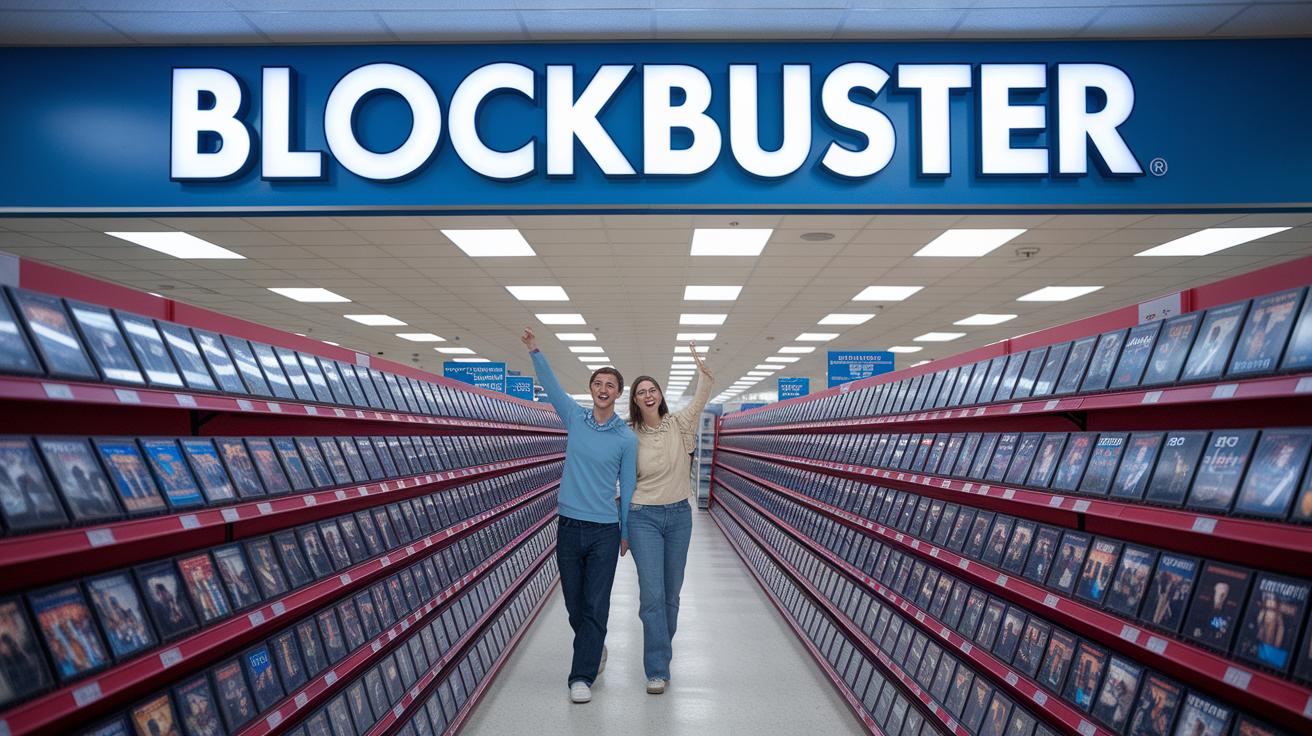
Back in 1985, Blockbuster burst onto the scene with a brand new take on home fun. They rolled out a mix of VHS tapes, DVDs, Blu-ray discs, video game rentals, and cool merchandise that made every visit feel like a mini adventure. Imagine stepping into a store where every movie case promised an electrifying night of excitement.
Through the late 1980s and 1990s, the vibe was just right for Blockbuster to soar. People craved a wide range of movies, and as demand for home video rentals skyrocketed, new stores popped up almost overnight. Neighborhoods soon turned into buzzing centers of cinematic exploration where families and friends gathered to discover their next favorite film.
Blockbuster’s early success came from a smart blend of fresh ideas and savvy business moves. They paired a dynamic mix of products with competitive prices and a super convenient shopping experience. This winning formula not only redefined home video rentals but also set the stage for a legacy that would forever change the world of entertainment.
Peak Expansion and Global Reach of Blockbuster Video
Back in 2004, Blockbuster was at its peak with a stunning 9,094 stores worldwide, including over 4,500 in the U.S., all powered by 84,300 dedicated employees. Every store was like a mini movie festival, with endless rows of DVDs and games that made each visit feel like a special event. Rapid growth did bring some growing pains, such as keeping the inventory fresh and hiring local staff who really understood their community. Imagine stepping into a store where every aisle feels like a brand new movie premiere, with each shelf sparking the excitement of discovering a new favorite.
Blockbuster wasn’t just about big numbers, it became a true neighborhood hub. People flocked to these stores not only for movies but to share experiences, making every visit a little community celebration. Local businesses even enjoyed the boost from the steady flow of visitors, which helped build a lively, in-person entertainment scene. Even though millions appreciated the warm, welcoming vibe, the rush of rapid expansion meant that keeping every store as vibrant and tailored to its community was an ongoing challenge.
Blockbuster Video Business Model and Revenue Drivers
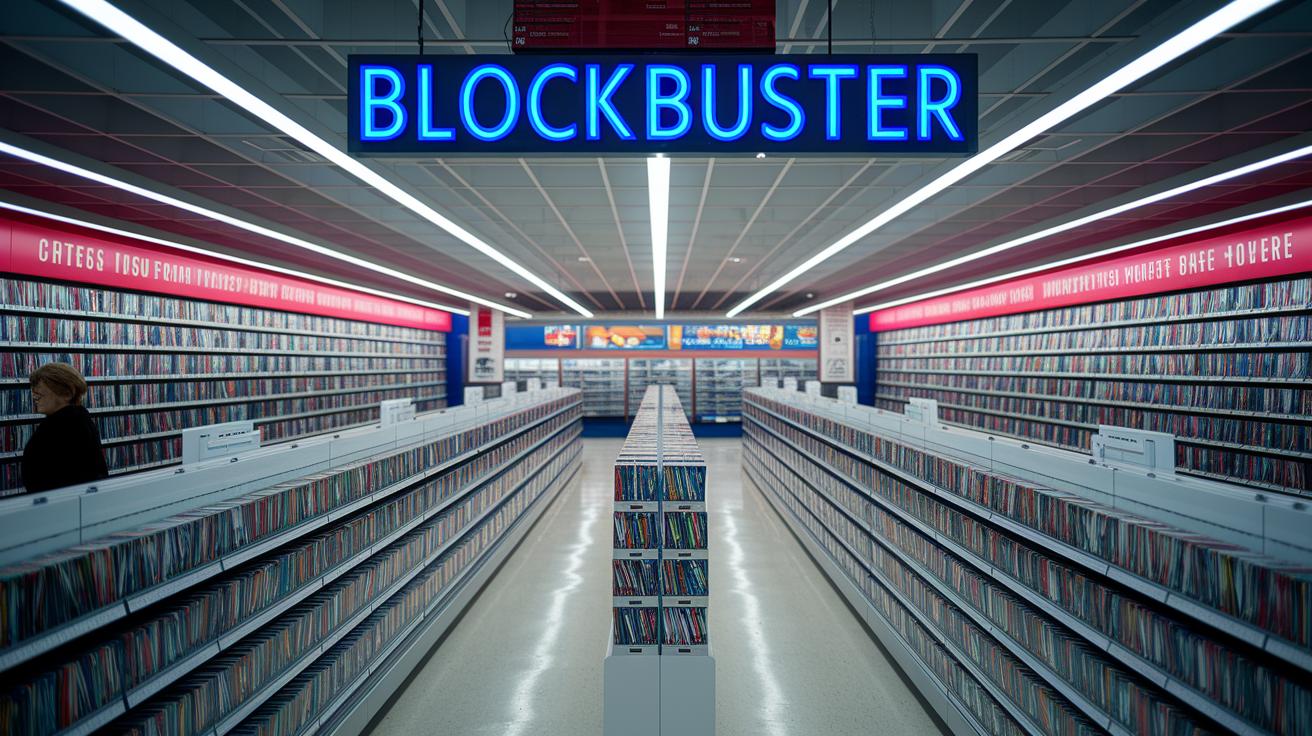
Blockbuster's store vibe felt like your own private movie paradise. Walking into any of their locations was like stepping into a mini theater, with rows of DVDs, VHS tapes, Blu-ray discs, and video games tempting you at every turn. Picture browsing through colorful cases that promise a fun night in, it's no wonder families and friends flocked there long before streaming took the stage.
Late fees played a big part in keeping Blockbuster rolling. They charged about $1 a day for overdue rentals, which, while a bit annoying, really cranked up their revenue. Imagine a movie night that ran over time, each extra minute meant a little extra fee, and when multiplied by millions of rentals, that tiny fee turned into a major cash boost.
Blockbuster also nailed the game with smart branding, great prices, and cool extras. The company built a look and feel that redefined home entertainment, complete with clear signage, wallet-friendly deals, and in-store perks that pulled customers back time and again. It was like having the perfect movie playlist always ready to set the stage for an epic night in.
Digital Disruption and Missed Opportunities for Blockbuster Video
Back in the early 2000s, everything changed for movie lovers. Streaming sites like Netflix, Hulu, and Amazon Prime started popping up, offering a simple, affordable way to watch films without the hassle of late fees. Imagine picking a film online without worrying about returning it on time! This new digital age made the old video rental trips seem slow and outdated.
Meanwhile, Blockbuster stuck to its old habits, racking up late fees that quickly added up but never matched the speed of the digital revolution. Everyone suddenly wanted movies at their fingertips, and the cozy convenience of home entertainment took over. Those in-store trips began to feel like a memory from another era.
Here are some big slip-ups that hurt Blockbuster:
- Turning down a $50 million buyout offer from Netflix
- Starting their own online service far too late
- Relying too much on late fees for cash
- Underestimating how much people would love streaming
These missteps tell a story of missed chances and slow moves. Saying no to that massive Netflix deal was a game changer, and when Blockbuster finally launched their online service in 2004, it was just too little, too late. With customers craving the freedom that digital streaming offered, Blockbuster couldn’t keep up. In the end, these mistakes loosened its hold on the market, marking the rapid decline of what was once a giant in home entertainment.
Decline, Bankruptcy, and Store Closures of Blockbuster Video
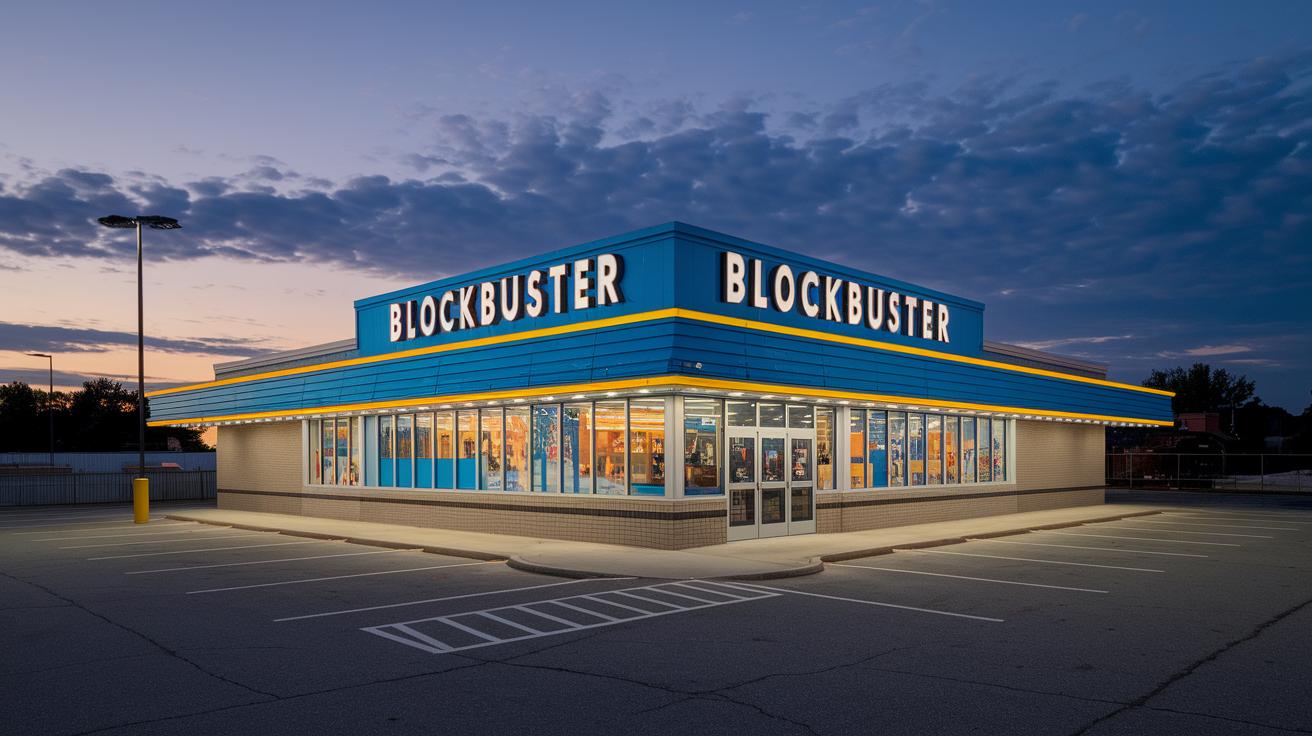
Blockbuster’s rising debt told a deeper story about missed chances. They spent too much cash on running their stores and clinging to outdated ways, even as everyone moved on to digital. It’s like sticking with an old recipe when everyone else is trying new flavors.
By 2010, when the bankruptcy filing hit, the problem wasn’t just money, it was a leadership team that missed the shift to digital. They didn’t change tactics early enough, and that managing of debt sealed their fate. Think of it like a startup that never grabbed its golden opportunity to innovate.
Slowly, in 2013, their corporate stores began closing, until the last door shut in 2014. This wasn’t a sudden crash but a drawn-out goodbye that showed they never quite read the changing tastes of their audience. It’s like watching a once-loved brand quietly fade away because it didn’t catch the digital wave in time.
Legacy and Cultural Impact of Blockbuster Video
Remember the buzz of walking into a store packed with colorful movie cases, where every aisle promised a new adventure? People still chat about those epic trips to Blockbuster on Reddit and social media, sharing memories of that special pick for a movie night.
Blockbuster was more than just a place to rent movies, it was a community hub. Whether you were a serious collector or just looking for a fun weekend flick, the vintage charm of Blockbuster brought everyone together. Picture the sound of laughter, the occasional gripe about late fees, and the pure joy of Friday night rentals.
Today, Blockbuster's journey serves as a classic business lesson. Business schools often point to its rise and fall to show how missing the chance to change can impact everything, from local neighborhoods to entire communities. Its story reminds us how one brand can shape daily life and leave a lasting mark on our culture.
Final Words
In the action, we tracked Blockbuster’s ride from its bold launch in 1985 to the explosive growth, digital hiccups, and final store closures. We saw key historical dates, pivotal business moves, and missed streaming chances shaping the history of blockbuster video. This timeline paints a picture of triumphs and tough lessons, reminding us that change is constant in showbiz. The memorable legacy sparks fresh discussions while inspiring a forward-looking vibe that's full of hope and insider excitement.
FAQ
What is the history of Blockbuster Video?
The history of Blockbuster Video began in 1985 as a video rental chain that quickly became a global icon, later struggling to adapt when digital streaming emerged.
When did Blockbuster Video open and close?
Blockbuster opened its first store in 1985 and closed its final corporate location in 2014 after years of intense market shifts.
What caused the downfall of Blockbuster Video?
The downfall of Blockbuster Video was caused by the rise of digital streaming platforms, a missed opportunity to partner with Netflix, and an overreliance on late fee revenue.
What happened to Blockbuster Video?
Blockbuster Video transformed from a booming rental powerhouse to filing for bankruptcy in 2010, ultimately shuttering almost every corporate store by 2014.
How is Blockbuster Video linked to Netflix?
Blockbuster Video’s link to Netflix includes rejecting a $50 million acquisition offer and facing fierce competition as streaming services made home video rentals less appealing.
Who is David Cook in relation to Blockbuster Video and what is his net worth?
References to David Cook in connection with Blockbuster Video suggest a notable figure or commentator, though specific details on his role and net worth are not widely documented.
Are any Blockbuster Video stores still open?
While all corporate Blockbuster locations closed by 2014, one franchised store in Bend, Oregon, remains open, drawing fans for its nostalgic charm.