













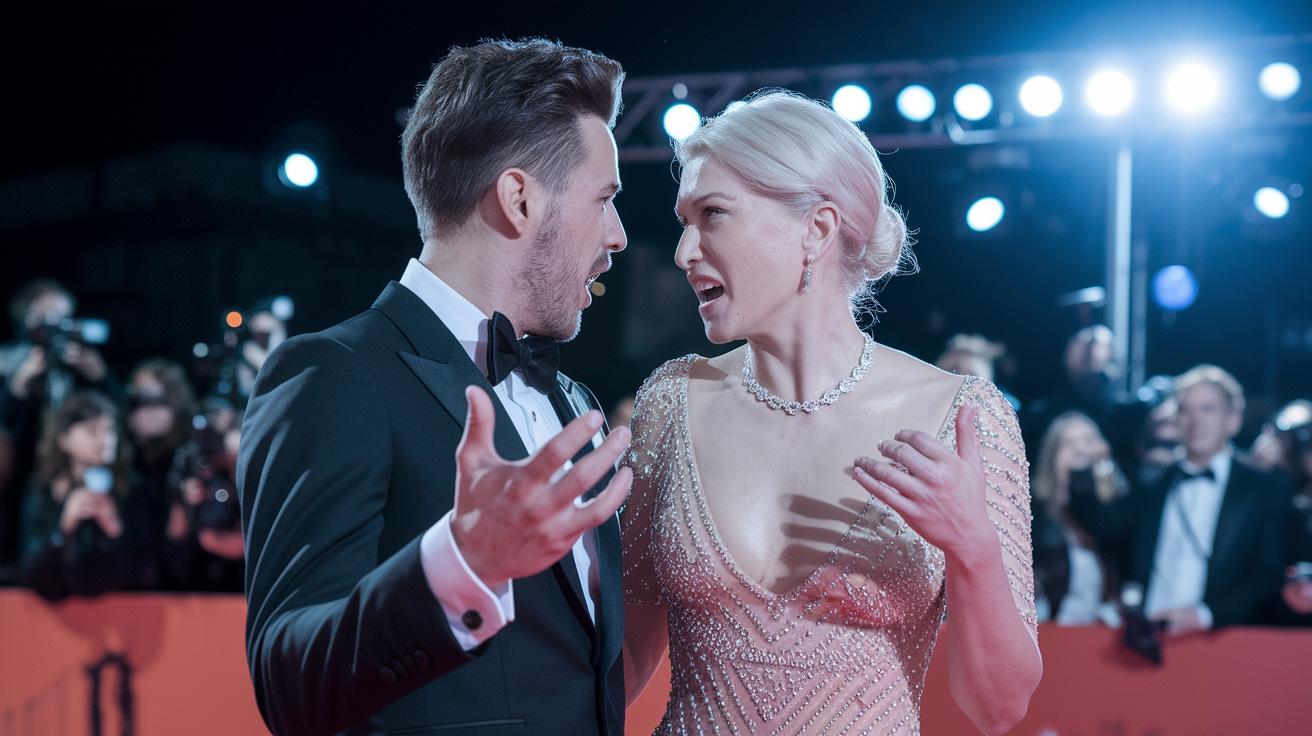
Ever wonder why a celebrity feud grabs you like the best part of a blockbuster movie? It’s not just some salacious gossip. Our brains love a bit of drama – they’re set up to feel that rush, much like our ancestors who relied on a spark of conflict to protect everyone. This piece digs into cool insights about how our love for bold showdowns meets the buzz of social media, lighting up headlines and our own curiosity. Stick around to see how star-filled clashes tap into our ancient instincts and change the way we crave a good showdown.
Understanding the Psychology Behind Celebrity Feuds
Gossip isn’t just idle talk, it stems from our deep roots in evolution. Back in the day, people shared secrets to stick together and watch out for troublemakers. Imagine early humans swapping news to form alliances and avoid cheats; that same instinct shows up in today’s celebrity clashes. When stars clash, our brains release dopamine, the feel-good chemical, much like the thrill after a big win in a game. It’s kind of wild to think that ancient tribes used rumor-sharing as a survival trick, building trust or warning others of danger. That same spark now feeds the emotional rollercoaster of celebrity spats.
Now, in our digital age, that old instinct has gone into overdrive. Platforms like Twitter and TikTok aren’t just about sharing drama, they blow it up to viral heights in seconds. Ever notice how a high-profile feud pulls you in? That’s because these squabbles hook into our need for excitement, echoing the kind of conflicts our ancestors dealt with. It’s a mix of clashing personalities, group dynamics, and media buzz that turns these feuds into a public spectacle. With constant news updates and social media bursts, the drama never stops, playing on our natural interest in who’s in and who’s out. It’s the perfect blend of age-old habits and modern tech that makes celebrity conflicts so addictive and fascinating for everyone involved.
Role of Personality Traits and Ego in Celebrity Feuds
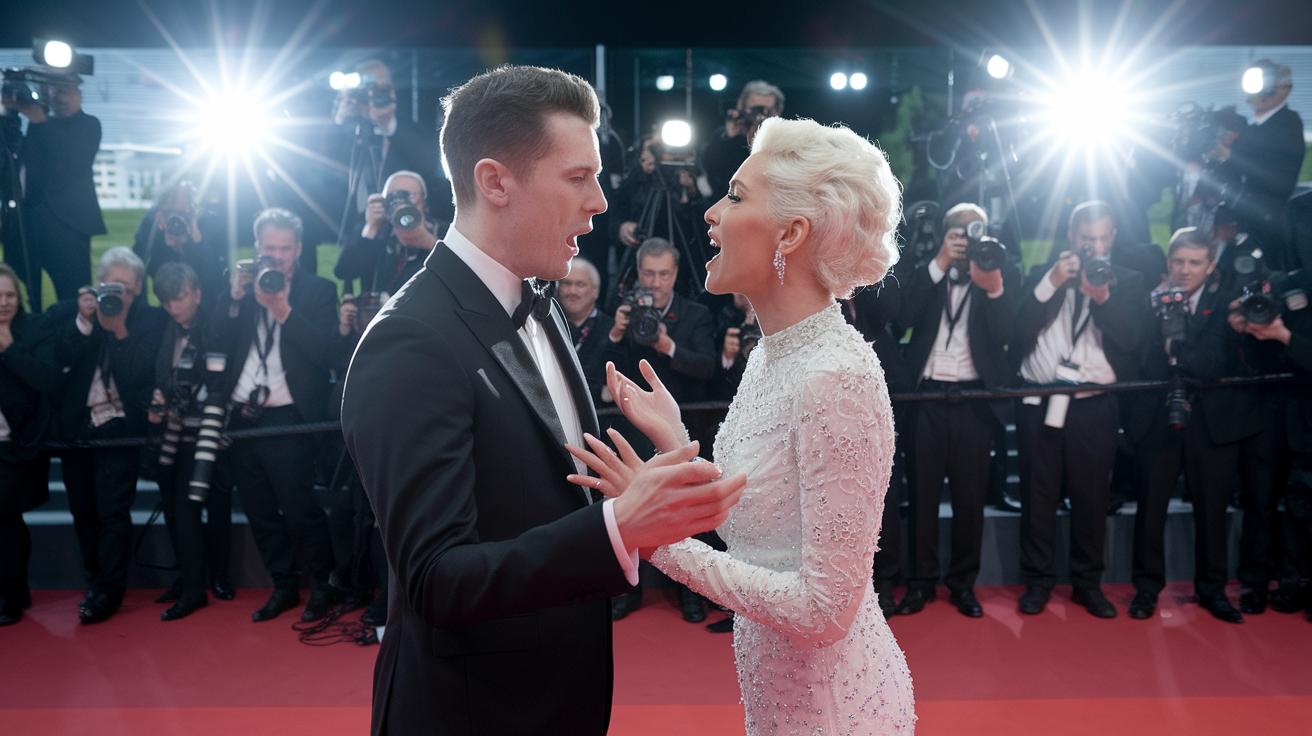
At the heart of many star-studded squabbles are traits like narcissism, shaky self-esteem, and a ballooning ego. It’s like a high-stakes game where even a tiny remark feels like a full-on attack on one’s status. Ever notice how a small jab can skyrocket into a public showdown? Celebs with strong narcissistic vibes often react by turning a casual comment into front-page news, all in an effort to keep their image (the way they shape themselves in the public eye) shining bright.
When a celebrity feels under attack, their brain fires off dopamine, kind of like the thrill you get when you're betting it all at a casino. This rush pulls them into a loop where every dramatic moment feeds their ego and amps up their competitive spirit. In this wild ride, some famous figures even lean into aggressive moves to shut down perceived rivals, creating a tangled web of conflicts that blast across every media outlet.
This potent mix of clashing egos and the lure of the spotlight means that even a small spark can ignite a media frenzy. A slight dip in self-esteem might trigger a huge public reaction, with every blow feeding into that dopamine-driven need for attention. In the end, these celebrity feuds aren’t just about protecting a reputation, they’re all about chasing that exhilarating buzz.
Emotional Triggers and Cognitive Biases Fueling Celebrity Feuds
Celebs, like the rest of us, can fall prey to the quirky tricks of our minds. When things shift from bright to bitter, a dash of envy, the nagging fear of losing the spotlight, or even a tiny jab can snowball into a dramatic reaction. Picture a star spotting a rival edging closer to center stage, where even a light remark suddenly feels like a deep betrayal. Fun fact: even top-tier celebs show stress levels similar to everyday folks when tangled in constant conflict.
But it doesn't stop there. These high-profile clashes get even more complicated thanks to mental shortcuts. Take confirmation bias (when you only notice stuff that supports your worries): celebs often interpret neutral comments as personal attacks. And then there's rejection sensitivity, which turns even the softest critique into an overwhelming blow. All these biases build up, sparking a chain of retaliatory moves that not only fan the flames of the feud but also chip away at the mental well-being of both the stars and their followers.
And then there's the onslaught of flashy headlines and nonstop media scrutiny. This constant bombardment can quickly wear down self-esteem, feeding a loop of anxiety and overreaction. One offhand headline might set off a chain reaction, turning a minor slight into an emotional wildfire. No wonder, what starts as a private spat can rapidly escalate into a full-blown public showdown, leaving everyone, celeb and fan alike, caught in a dizzying spiral of stress.
Group Dynamics and Social Identity in Celebrity Feuds
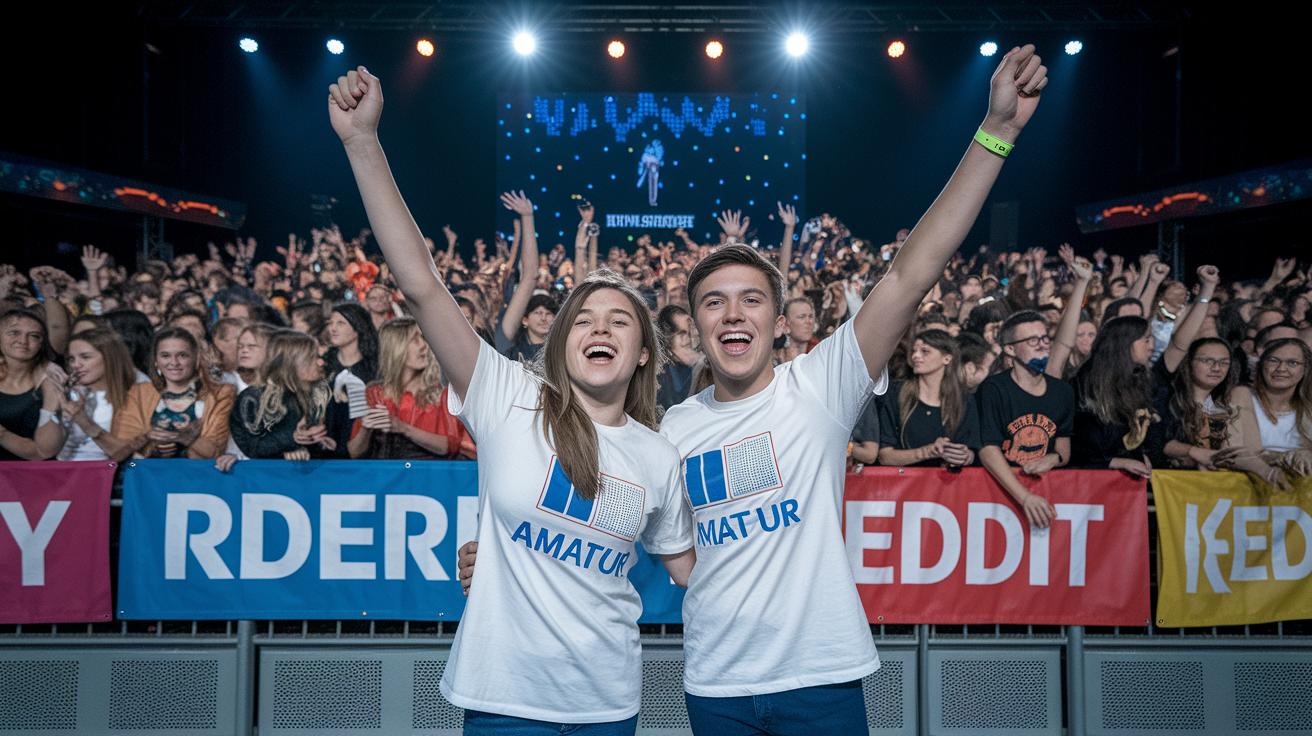
Group dynamics really shape how celebrity feuds pop up and last. Ever notice how gossip was once a way of figuring out who to trust and who to watch out for? Today, it works the same way when fans band together for their favorite stars. Think of it like a schoolyard squabble where one friend stands up for another, suddenly, everyone jumps in. Fun fact: ancient tribes used gossip to decide who was in or out, and that trick still molds modern celebrity alliances.
Fans tend to follow these in-group and out-group vibes, creating little communities that rally behind their idols. In this mix, even a tiny spark can quickly turn into a full-blown fire. Picture a celebrity clash where dedicated supporters instantly form a team to defend their star at any cost. These bandwagon effects blow up every little issue, turning private spats into huge public events.
And it’s not just the fans getting caught up; sometimes even the celebrities join in on the fun. They might want to show off their membership in an elite crowd or set themselves apart from their so-called rivals. This dance of loyalty and rivalry keeps the drama going strong, pulling everyone in, from commentators to casual onlookers, into the frenzy. It’s like watching a sports game where every move intensifies the cheers and jeers on all sides.
Media Amplification and the Psychology of Public Feuds
Social and traditional media are turning little sparks of celebrity drama into roaring wildfires, spreading feuds faster than you can imagine. Platforms like Twitter and TikTok work like magic, taking a simple comment and blowing it up into the talk of the town. One tweet can quickly light up the internet, transforming a quiet remark into a burst of flashing cameras and heated chatter. And let’s be honest, every share feels like a mini celebration in our brains, sparking those feel-good dopamine hits that make the drama feel even more thrilling.
News outlets and social media influencers dig deep into every detail before serving us a story that ups the tension between rivals. They aren’t just reporting what happened, they’re shaping the narrative, too. The headlines, catchy soundbites, and endless posts create a feedback loop, cranking up the drama with every new update. Ever felt like you’re right in the middle of the action, soaking in every twist and turn?
- The drama feels so real that you might think you’re living it yourself.
- Scandal triggers strong emotions that keep us coming back for more.
This mix of celebrity drama and media hype makes every feud its own star, constantly evolving and keeping us mesmerized.
Case Studies: Psychological Analysis of Major Celebrity Feuds
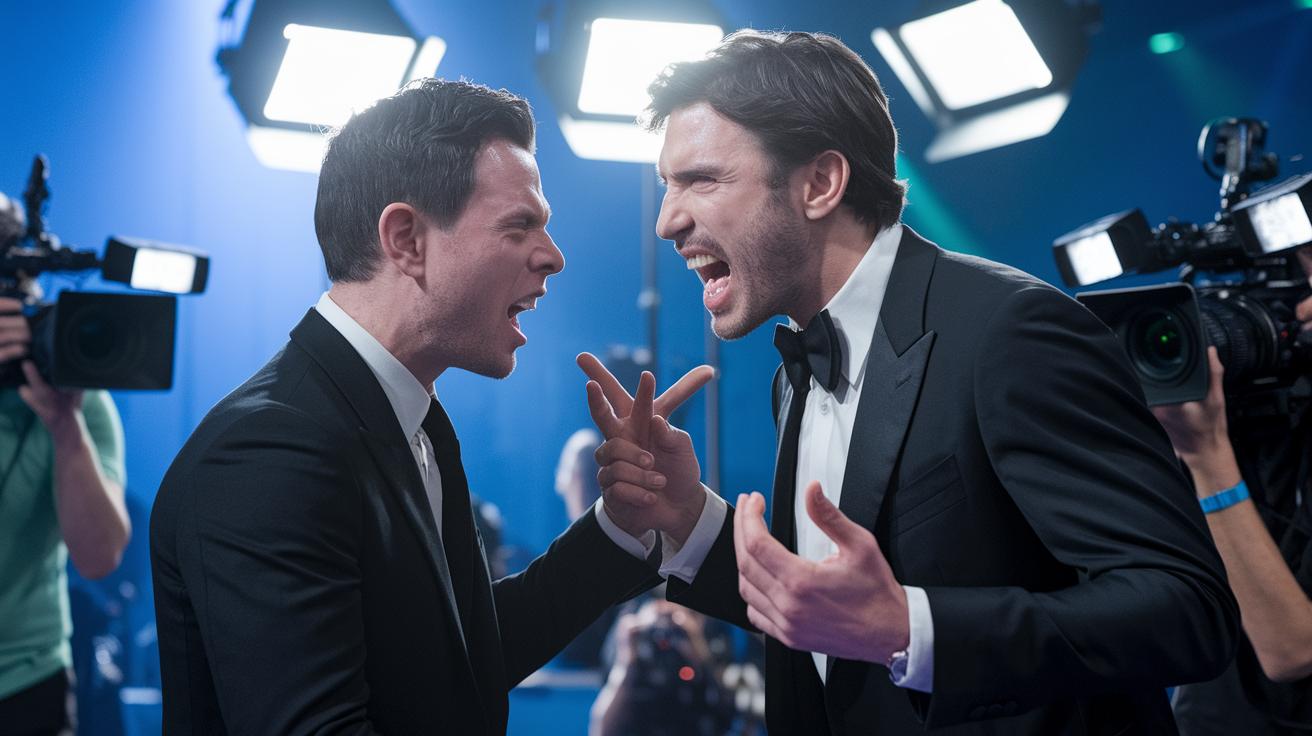
When you watch reality TV shows like Bigg Boss or sibling dramas on Keeping Up with the Kardashians, you see drama unfolding under lots of pressure from inside and from non-stop cameras. Celebrities feel they must always look perfect, so even the smallest challenge can set them off. A tiny spat quickly turns into a heated brawl as they scramble for attention and a nod from their fans.
Media attention plays a huge role too. Every comment and even a small gesture is picked apart, making the situation even more intense. The pressure builds a cycle where one little slight can spark a strong, sometimes aggressive comeback. This is clear in both star-studded showdowns and family buzz, where the need for public approval and fear of losing status lead to very high emotions.
| Scenario | Psychological Trigger | Media Factor | Outcome |
|---|---|---|---|
| Reality TV Conflict (Bigg Boss) | A deep need for validation mixed with worries about losing status | Live shows and trending posts keep the spotlight on every move | Arguments blow up into fiery confrontations and spike public interest |
| Sibling Rivalry (Keeping Up with the Kardashians) | Family pressures and a strong drive for personal recognition | High media buzz turns every word into hot debate | Public feuds that blend family spats with media drama |
These examples show how our minds and nonstop media attention fan the flames of celebrity feuds. The mix of raw emotion and that thrilling dopamine rush makes these disputes almost addictive. Even under the glitz and glamour, the basic human reactions we all have shape the drama we watch on screen.
Conflict Resolution and Mental Well-Being in Celebrity Feuds
Celebrities often get caught up in messy public spats that spike anxiety and stress. Experts say it’s smart to set clear limits and chill out with some mindfulness. Ever thought of hitting pause when things get too heated? Instead of firing off a snappy tweet, take a deep breath and let the moment settle, it might just save you from a media meltdown.
It helps to check in with yourself, too. Ask whether diving into the drama actually lifts your mood or leaves you feeling drained. A quick self-check, like asking, “Am I feeling any better after this?” can give you real-time insight into your emotional state.
Try mixing in calming routines like meditation or even a brisk walk. These simple habits can lower that conflict-driven buzz and keep your self-esteem in check. Keeping your exposure to drama at a moderate level is key to staying cool and balanced.
In the end, both celebs and fans can win big by stepping back and focusing on keeping their emotions under control.
Final Words
In the action, this article broke down the psychology behind celebrity feuds by examining personality clashes, emotional triggers, group influences, and the role of digital media. We saw how traits like ego and susceptibility to confirmation bias add fuel to public disputes. The discussion also revealed how social identity and media amplification can spread drama like wildfire. All in all, understanding these elements brings extra insight to the wild world of celebrity conflicts, leaving us with a fresh, upbeat view of what makes star feuds tick.
FAQ
Q: What drives celebrity feuds?
A: The factors behind celebrity feuds combine personality clashes, emotional triggers, and group dynamics, creating a mix that fuels drama and grabs public attention through media amplification.
Q: How do personality traits and ego influence celebrity conflicts?
A: The role of personality and ego in celebrity feuds shows that traits like narcissism and inflated self-worth often push stars to defend their status publicly.
Q: How do emotional triggers and cognitive biases fuel these disputes?
A: The impact of emotional triggers and cognitive biases means feelings like envy and sensitivity lead celebrities to misinterpret events, escalating disputes into very public disputes.
Q: How do group dynamics and social identity amplify celebrity feuds?
A: The effect of group dynamics and social identity in feuds happens when fans split into camps, which magnifies conflicts and deepens the public divide between the rival parties.
Q: How does media amplification intensify celebrity feuds?
A: Media amplification intensifies celebrity feuds by turning private disputes into viral spectacles, giving both the involved parties and audiences a constant rush of emotional stimulation.
Q: What strategies can help resolve celebrity conflicts and protect mental health?
A: The approaches to conflict resolution in celebrity feuds include setting clear boundaries and practicing mindfulness, helping reduce stress and maintain mental well-being during public disputes.