














Ever thought that hanging up your cleats means it's all over? Think again. This post takes you behind the scenes of sports legends who shocked everyone with their unexpected comebacks.
Imagine Michael Jordan wowing fans after a sudden goodbye, Mayweather charging back into the ring with unmatched intensity (think of it as a high-stakes rematch), and Tiger Woods making a brilliant return on the greens. These stories prove that stepping away doesn't always mean the curtain falls.
Sometimes, passion and a fierce spirit are all you need to rewrite your playbook. So, kick back and get ready to dive into some comeback tales that keep the sports world buzzing with excitement.
Memorable Athletic Comebacks After Retirement
Michael Jordan blew everyone’s mind when he hung up his sneakers in October 1993 at just 30 years old, right after winning three straight NBA titles. He stepped away partly because of personal heartache after his father’s murder and a change in what he wanted from life. But then, just a couple of years later in March 1995, he simply said, "I'm back" and quickly reminded the world of his magic by snagging three more championships between 1996 and 1998. It was like watching a legend rise from the ashes, proving that a true icon never really disappears.
Floyd Mayweather’s return to the spotlight is just as eye-catching. After retiring in 2007 to focus on building his promotion company, his will to compete got the best of him. Only 21 months later, in 2009, he jumped back into the ring, staging big, unforgettable bouts that showed off his fierce drive. His repeated comebacks, stretching all the way until 2015, are a clear sign of his unbreakable fighting spirit.
Tiger Woods faced one of the most talked-about turnarounds in sports history. Between 2009 and 2011, he took nearly two years off from golf due to personal issues and a string of back surgeries that kept him off the course. The spotlight was heavy with public scrutiny and physical challenges, yet when he returned, Woods tweaked his game and training to win five PGA Tour events between 2012 and 2013. His return on the greens felt like a masterclass in determination and smart adjustments.
Peyton Manning dealt with a tough setback in 2011 when spinal fusion surgery forced him to miss the entire season. But by 2012, he was back at it, reconnecting with his passion and sharp instincts as a quarterback. His revival eventually helped lead the Denver Broncos to a Super Bowl victory in 2015, proving that mental grit and hard work can bring you back into the elite circle.
Michael Phelps, the most decorated Olympian ever, stepped away from competitive swimming after the London 2012 games, planning to call it quits. Yet, his love for the sport pulled him back in for one last ride at Rio 2016. With a completely revamped approach to training, nutrition, and recovery, he added six more medals to his tally, bringing his grand total to an incredible 28 Olympic medals. His comeback was like watching a master stroke of reinvention.
Muhammad Ali paused his boxing journey between 1967 and 1970, partly because he took a stand against the military draft. But his passion, both for his beliefs and for the sport, saw him returning to the ring to win world titles in 1974 and 1978. Ali’s ability to bounce back under tough conditions turned him into a true symbol of resilience and heart.
George Foreman also has a comeback story that leaves you in awe. He stepped away from boxing in 1977 to try other things and then, after a ten-year break, made a jaw-dropping return. At 45, he not only returned but clinched the heavyweight title in 1994, showing that with enough heart and determination, age really is just a number.
Roger Clemens wrapped up his career after the 2003 season, having earned six Cy Young Awards, but retirement wasn’t the end for him. He came back in 2004 with the Astros, earning an NL ERA title and stacking up two more seasons filled with hard-earned accolades, proving his connection to the game was far from over.
Tom Brady faced a near-career-ending scare in 2008 when he tore his ACL and MCL. After nine grueling months of surgery and rehab, he stormed back onto the field and went on to win six more Super Bowl rings. His journey back into top form has become a real blueprint for staying resilient against all odds.
Brett Favre thought he’d say goodbye after an amazing career in March 2008 but found he just couldn’t stay away. He returned five months later, lighting up the field with back-to-back MVP seasons with both the Jets and Vikings. His story shows that sometimes, the love for the game runs too deep to ever truly say goodbye.
Training and Recovery Strategies for Athletic Comebacks

Michael Phelps shook things up for Rio 2016 by totally reworking his workouts. He added more swim-specific strength exercises, dove into sports psychology sessions (which help keep the mind sharp), and fine-tuned his nutrition to fit his needs perfectly. Before hitting the pool again, he mixed physical training with mental focus, showing us that even legends can mix up their playbooks.
Peyton Manning made his comeback after a 2011 spinal fusion by sticking to a strict physical therapy plan. He focused on neck-stability drills and a special throwing program that rebuilt his arm strength bit by bit. His journey proves that careful, targeted recovery steps really pay off when fighting tough injuries.
Tiger Woods battled fierce back pain with a mix of lumbar rehab, core-stability workouts, and golf-specific swing training. His effort shines a light on how tailored training can spark a comeback, even when old injuries try to hold you back.
Tom Brady bounced back from an ACL tear in 2008 using progressive resistance training, low-impact conditioning, and cryotherapy (a cool way to use cold to help heal). At the same time, Floyd Mayweather stayed fight-ready during retirement by keeping up with a strict year-round cardio plan, regular sparring, and a disciplined diet. His routine helped him slide back into the ring smoothly.
Together, these focused recovery plans and strength tweaks show that even after leaving the game, athletes can turn setbacks into epic comeback stories.
Psychological Resilience in Athlete Comeback Narratives
Many legendary comebacks start with a powerful mind. Take Michael Jordan, after losing his father, he returned with an intense hunger to compete. After a heartbreaking loss, he reignited his fire, turning personal pain into pure championship energy. His shift in mindset sparked one of the most thrilling rebounds in sports history.
Then there's Muhammad Ali. When he made his 1970 return, he refused to let exile define him. Amid challenges and doubts, his fierce determination and rock-solid self-belief took center stage. Ali backed himself up with visualization and self-talk, getting ready to face the world’s toughest challenges.
Floyd Mayweather showed us that a strong mindset can beat almost any setback. His confidence rituals, like focused visualization exercises, kept him sharp and ring-ready. And think about Brett Favre, his deep love for the game and connection with fans and teammates made it nearly impossible to say goodbye. Each time, he came back even stronger.
These stories remind us that when doubts sneak in, believing in yourself can lead to astounding comebacks. Ever felt that surge when you overcome a tough moment? That’s the true power of mental strength.
Key Challenges and Motivations Behind Retirement Reversals
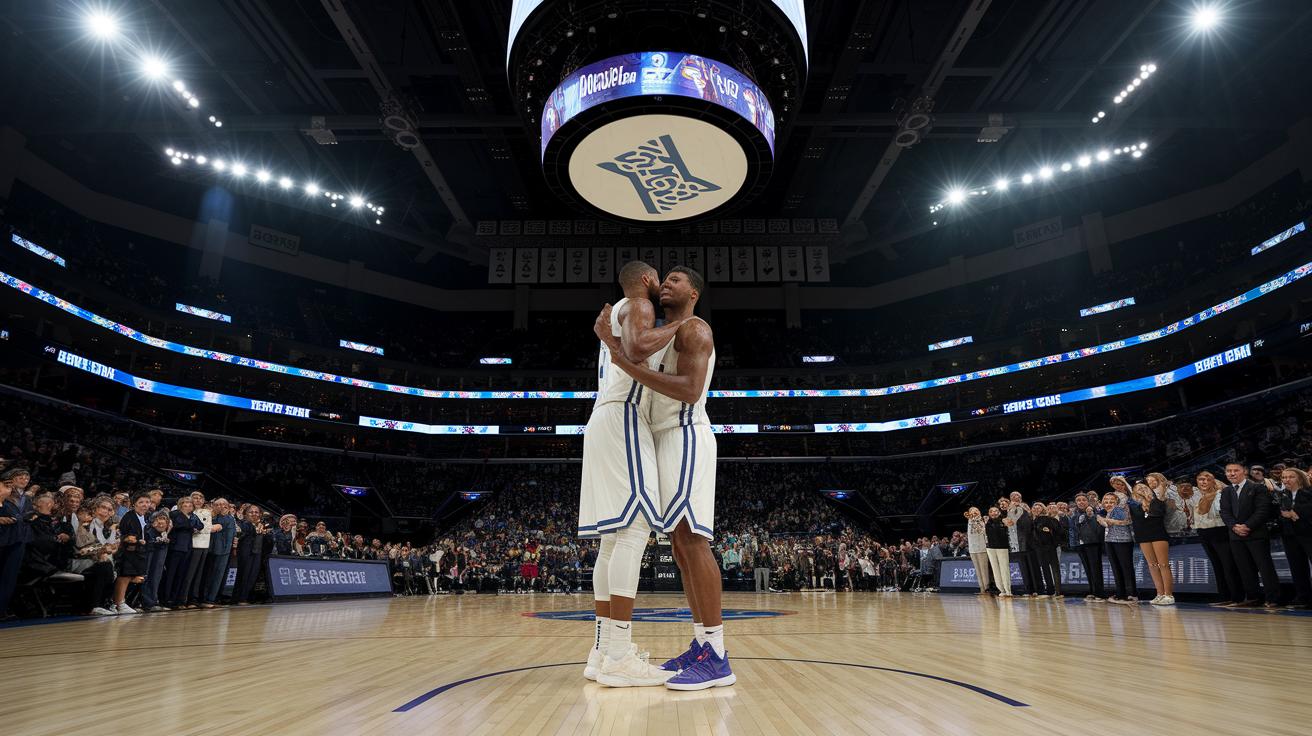
Magic Johnson first hung up his sneakers in November 1991 after his HIV diagnosis. It wasn’t just leaving the game, it was a moment charged with health fears and the intense watch of public opinion. When he rejoined the Lakers in mid-1992, he faced both personal challenges and public scrutiny head on. It’s a powerful reminder that taking that first step back can be the toughest move, even for a legend.
Lance Armstrong’s journey is equally inspiring. Imagine battling a life-threatening disease and enduring fierce chemotherapy (intense treatment that few would dare face), only to make a roaring comeback in 1998 and win his first Tour de France in 1999. His return is a striking example of how deep personal drive can push an athlete to break beyond the human limits.
Then there’s Roger Clemens. In 2004, his return was sparked by deep hometown pride and the unbreakable bond with his teammates. With the support of loyal fans and close friends on the field, he showed that strong connections can tip the balance between staying in retirement and starting a bold new chapter.
Michael Phelps also found his way back after feeling burnt out following the 2012 London Games. Thanks to the constant guidance of coach Bob Bowman and added sports psychology support (help with mental strength), he rediscovered his passion. All of these stories prove that a comeback isn’t just about physical healing, it’s about conquering inner battles and drawing strength from those who believe in you.
Impact of Comeback Stories on Athlete Legacy and Fan Support
Comeback stories are more than just news flashes. When our favorite athletes make a return, it taps into their old magic while boosting merchandise sales, firing up fan excitement, and even changing how brands are seen around the world. Picture this: a major comeback that sends fans scrambling to grab vintage jerseys and keeps memorabilia flying off the shelves.
These thrilling returns spark lively chats on social media and create a fresh buzz in the media, shifting how everyone sees the sport. Every time a star steps back into the spotlight, brands jump in with limited-edition gear that fans just can’t resist.
This ripple of cultural and economic energy shows that a comeback isn’t just about winning a game. It reshapes an athlete’s legacy by turning personal victory into a community celebration that lifts up teams, sponsors, and local areas alike.
Final Words
In the action, these athletes showed us what it means to fight for their spot in the limelight. Their incredible returns brought high-energy training, mental grit, and a passion that reignited fan support. Each story highlighted raw determination, clear-cut recovery plans, and heartwarming moments that remind us why we love the game.
These comeback stories of retiring athletes keep the joy alive and spark a renewed admiration for the sport.
FAQ
Frequently Asked Questions
What famous athlete came out of retirement?
The famous athlete Michael Jordan came out of retirement. He stepped away from the NBA in 1993 and returned in 1995, leading the Bulls to three more championships.
Do 78% of professional athletes go broke after just three years of retirement?
The claim that 78% of professional athletes go broke after three years is not backed by solid evidence. Many athletes use smart financial plans and diverse opportunities to support their lives beyond sports.
What NFL player retired and came back?
NFL player Brett Favre famously retired and then returned to play, showcasing his strong passion for football by earning MVP accolades during his comebacks with the Jets and Vikings.
Why do athletes struggle after retirement?
Athletes struggle after retirement because they leave behind a life built on intense routines and constant competition, making it tough to adjust to a new identity and routine without the rush of the game.