













Ever notice how some athletes bounce back even better after an injury? It's like your body sends you a little hint, a reminder to take it easy and let healing happen.
A smart recovery plan mixes quick check-ups with gentle physical therapy and a touch of mental toughness. Think of it as making small, easy changes that help you avoid extra setbacks while sparking a true comeback.
In this article, we'll share simple tips to boost your recovery, rebuild your confidence, and turn that injury into your next big win on your own terms.
Achieve a Successful Comeback: Structured Athlete Recovery Plans
Injuries can hit any athlete, but what really matters is how you bounce back. Think of your body as a trusted buddy that gives you signals before things get worse. A good coach might say, "Feel that familiar twinge? Ease off a bit," which reminds you to listen to your body before a small pain turns into a big setback.
The first move in any comeback is to get a proper diagnosis. By spotting the issue early on, you avoid long delays in your recovery journey. Ever heard a surprising story like, "After a routine scan, a star player found out that a tiny tear could have ended their season if not treated quickly"? It really drives home the idea of diagnosing early and treating smart.
Once you know what’s up, you need a balanced game plan that mixes workout recoveries with some mental toughness. Start with low-key drills and then gradually put in the effort until you're back to full sport-specific moves. This step-by-step approach makes sure your body heals well and keeps new injuries at bay.
A solid plan covers both physical therapy and keeping your head in the game. Setting clear, realistic goals along the way helps keep your motivation high. With a structured recovery plan, you can rebuild your strength, boost your confidence, and get your performance back on track, ready for that ultimate return to the arena.
Athlete Rehabilitation Protocols: Physical Therapy and Sports Medicine Treatments

Getting an accurate diagnosis early really keeps setbacks at bay. When an athlete is misdiagnosed or starts treatment too late, recovery can drag on for much longer than it should. Imagine this: "Before a top athlete could dive back into intensive training, a timely cervical epidural steroid injection eased nerve pain that might have kept them sidelined for months." This shows just how key evidence-based treatments are.
Often, athletes see improvement with treatments like lumbar and cervical epidural steroid injections, stem cell injections, and PRP injections. These methods work hard to cut down pain and boost tissue repair. Add in steady physiotherapy , think gentle range-of-motion moves, strength drills, and functional movement rehab , and you get a recipe for tissue healing at the perfect pace.
- Lumbar and cervical epidural steroid injections ease inflammation and help get nerves working right.
- Stem cell injections use your own cells to naturally repair damaged tissue.
- PRP injections pool healing factors from your blood to speed up recovery.
Taking things one step at a time with tailored physiotherapy routines and recovery plans lets athletes rebuild strength while lowering the risk of getting hurt again. Keeping a close watch on progress turns smart treatment into a winning strategy for a strong, energized comeback.
Injury and Load Management Techniques in Athlete Comebacks
Load management is like the secret magic behind a smooth comeback. Instead of jumping straight into heavy workouts, a smart athlete eases back into action with a clear game plan. By checking simple cues like session RPE (how hard you feel you worked) and pain ratings, you can tweak your drills on the spot. Imagine finishing a session and hearing your body say, "Hey, take it easy right now," saving you from a bigger setback later.
Next up, phase-based progressions work wonders. Athletes can safely boost their workout load by about 40%–60% every 7–10 days, giving their tissues time to heal while building endurance at a steady pace. One athlete shared how he moved from light drills to full-on sport moves in two weeks, treating each step as a little celebration of recovery.
Key tips for injury management include:
- Keeping an eye on pain levels during every session
- Changing workout intensity based on what your body tells you
- Gradually increasing training volume to help your tissues adapt
These smart load management moves build the confidence to get stronger safely. With a steady, mindful approach, every setback can turn into a small victory on the journey back to peak performance.
Mental Resilience and the Four-Step Mindset for Recovery

First off, ask yourself the big question: Why do I really want to make a comeback? Imagine scribbling down, "I train not just to win, but to honor all the sweat and effort that got me here." This little note sets up a powerful inner drive that feels as real as the cheers at a live show.
Next, dive in headfirst and commit to your goals. Sometimes that means picking tough moments, like training at a smaller event just to build up momentum. Picture writing, "I pushed through a modest win, and every move fueled my comeback." It’s like starting a movie with a burst of energy that keeps you hooked.
Then, allow yourself to trip up now and then. Missing a few competitions might seem hard at first, but each setback can actually build your strength over time, whether it happens over three contests or spans up to 18 months. Maybe jot down, "After stumbling in a regional contest, I learned lessons that steadied my return." It’s your own behind-the-scenes story of growth.
Finally, bet on yourself and take those bold steps. Choose moments to act that boost your self-belief over any outside approval. You might note, "I took a calculated risk by entering an unexpected qualifier, and it paid off." Each decisive move adds a real spark to your journey of recovery.
Athlete Recovery Plans and Comebacks: Energize Your Return
After a rough finish at nationals, one tireless competitor turned things around by switching gyms, requalifying for nationals, and then electrifying the crowd at The Clash pro-am by taking third place and earning an invite to a major 105 kg showdown. This success story shows how a smart comeback plan can revive your performance. Tracking every detail, from easing pain to nailing strength milestones, gave clear pointers to tweak the recovery plan on the fly. Imagine scribbling in your training log, "Pain down 20% today; strength drills felt smoother," and feeling that burst of motivation hit you like a shot of adrenaline.
Another athlete faced a huge setback after suffering torn ligaments, but over 12 months of steady, phased rehab, they tracked every small win by noting competition outcomes and improvements in movement. Each little breakthrough became a step on the path back to the field. Their detailed record of comeback milestones helped the support team adjust the training intensity and volume perfectly, so every session built on the last, all while keeping further injury at bay.
Key comeback milestone tracking tactics include:
- Monitoring pain scores after each workout
- Jotting down strength benchmarks during recovery drills
- Checking performance in lower-stakes events
These methodical, evidence-driven steps let the athlete push limits while keeping risks low. Every recorded win reinforced the idea that setbacks can morph into epic comebacks with a clear, step-by-step plan energizing the drive to come back stronger than ever.
Return-to-Play Guidelines and Periodized Recovery Scheduling
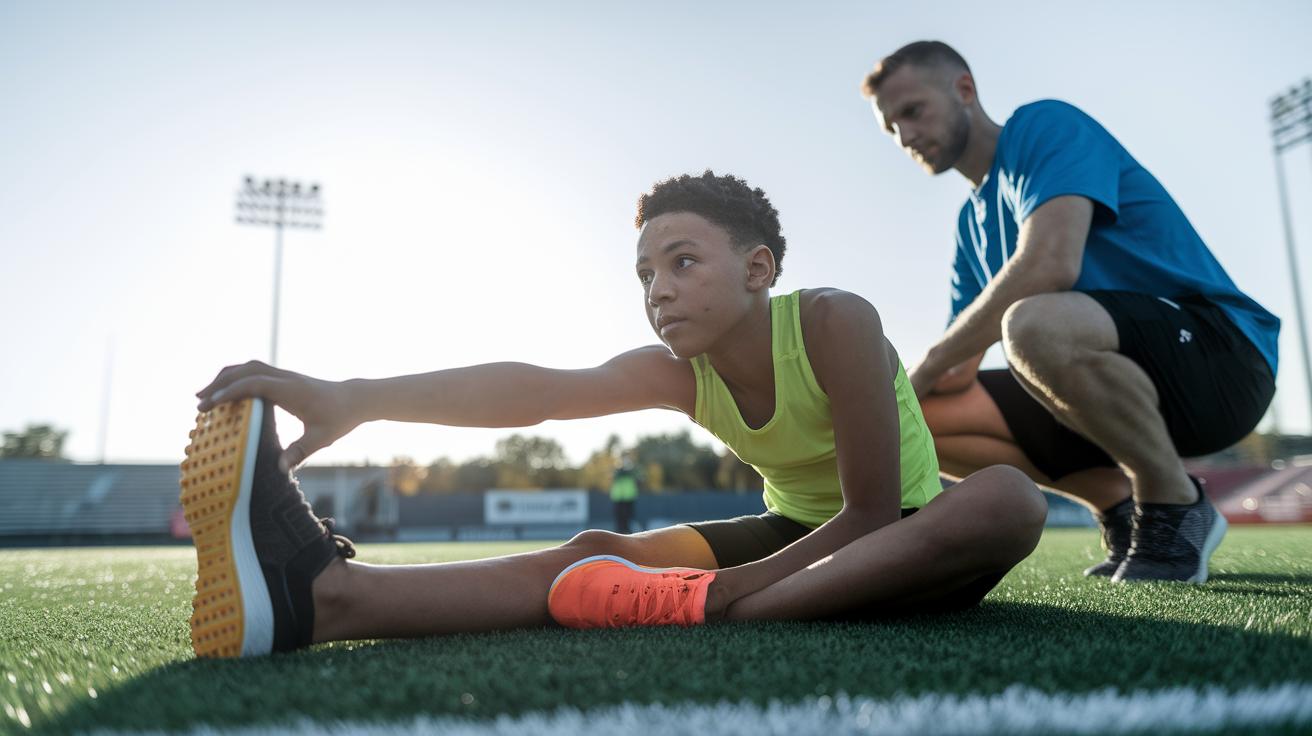
Getting back into the game starts with clear, step-by-step guidelines. Begin with some light drills, then move into sport-specific moves, and finally ramp up to full practice sessions, all while a physiotherapist keeps an eye on your progress. Imagine an athlete saying, "Today was just warm-ups, I feel ready for my next challenge!" It’s that smooth, natural build-up that makes the difference.
A periodized recovery schedule is super important for a safe return. This approach splits your training into bursts of intense work mixed with active recovery phases. It lets your body adjust gradually and builds up the endurance needed for a full game without overdoing it.
Rest is a big deal too. Including 1–2 complete rest days during each training cycle gives your muscles and tissues a chance to repair. Plus, simple post-workout tips like using a cold therapy pack right after training, getting quality sleep, and staying well-hydrated all work together to boost your recovery.
With this balanced mix of step-by-step drills, proper rest, and smart recovery tactics, you lower the risk of setbacks and steadily climb back to peak performance. Ever wonder how athletes bounce back? This blueprint is their secret formula to safely returning to competitive readiness.
Final Words
In the action, we explored how athletes bounce back from injuries using careful recovery routines. We broke down physical treatment, injury management, and mental resilience tactics that guide each stage of a comeback.
Each part showed how clear step-by-step recovery techniques can bring athletes back stronger. Drawing from real life and expert tips, the article shines a light on athlete recovery plans and comebacks that inspire hope for future wins.
FAQ
Athlete recovery plans and comebacks template
The athlete recovery plans and comebacks template provides a structured guide for bouncing back from injuries. It balances physical therapy, load adjustments, and mental resilience strategies to boost safe, effective recovery.
Athlete recovery plans and comebacks free
The free athlete recovery plans and comebacks offer accessible, step-by-step strategies. They mix clinical rehab techniques with mental strength building, making recovery guidance easy for athletes on a budget.
What is the best recovery method for athletes?
The best recovery method for athletes merges prompt diagnosis, tailored physiotherapy, managed training loads, and mental resilience. This integrated approach minimizes injury risks and helps rebuild peak performance.
How to make an athletic comeback?
Making an athletic comeback starts with proper injury assessment and rehabilitation, followed by a gradual increase in training intensity and mindset training to ensure a safe, effective return to competition.
What is the recovery schedule for athletes?
The recovery schedule for athletes organizes time for rest days, physiotherapy sessions, progressive training increases, and mental recovery stages to create a balanced, periodized return-to-play plan.
How to plan your comeback?
Planning your comeback means setting clear rehab milestones, combining physical therapy with mental resilience tactics, and carefully managing training loads to ensure a smooth transition back to competitive play.